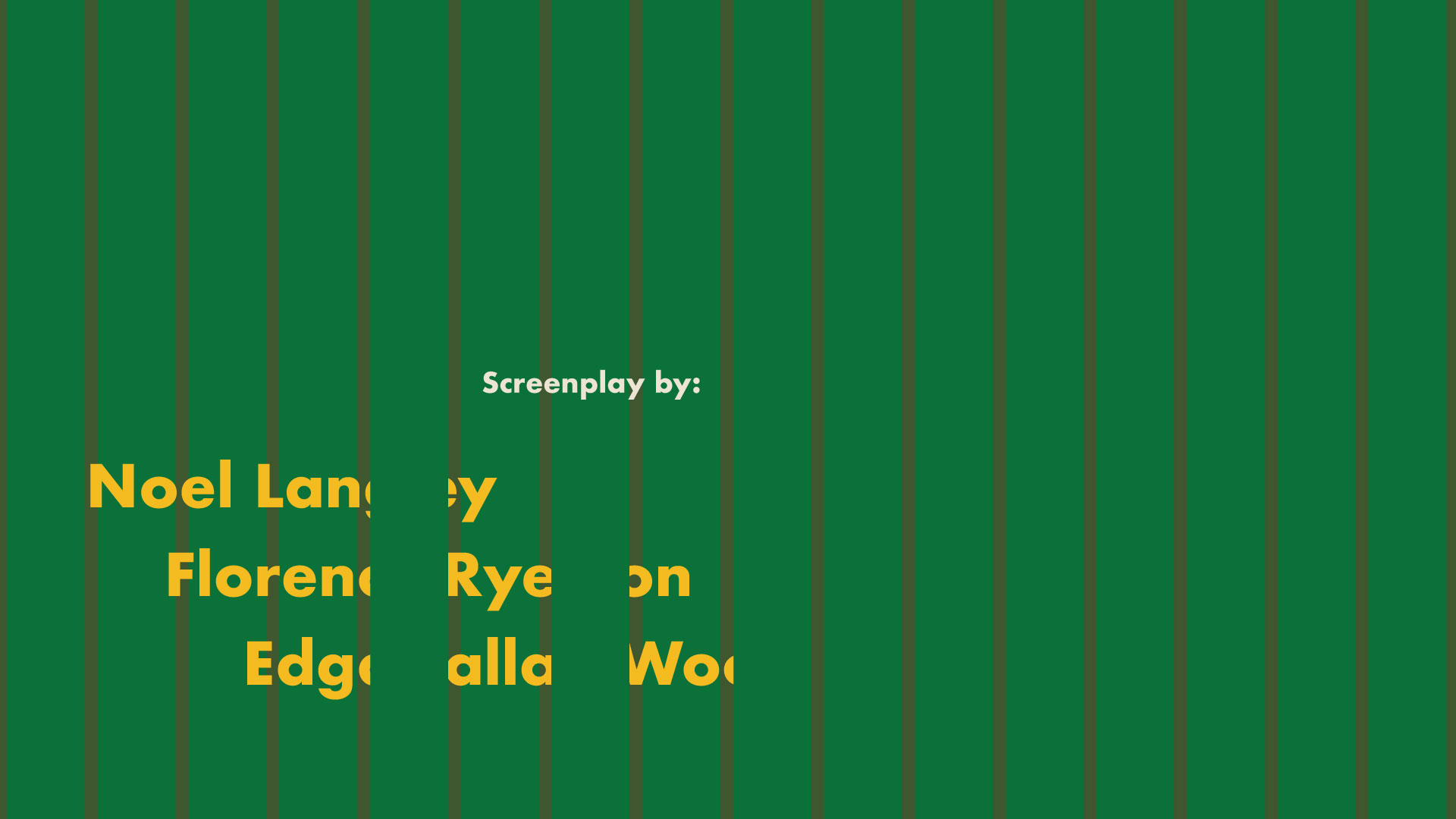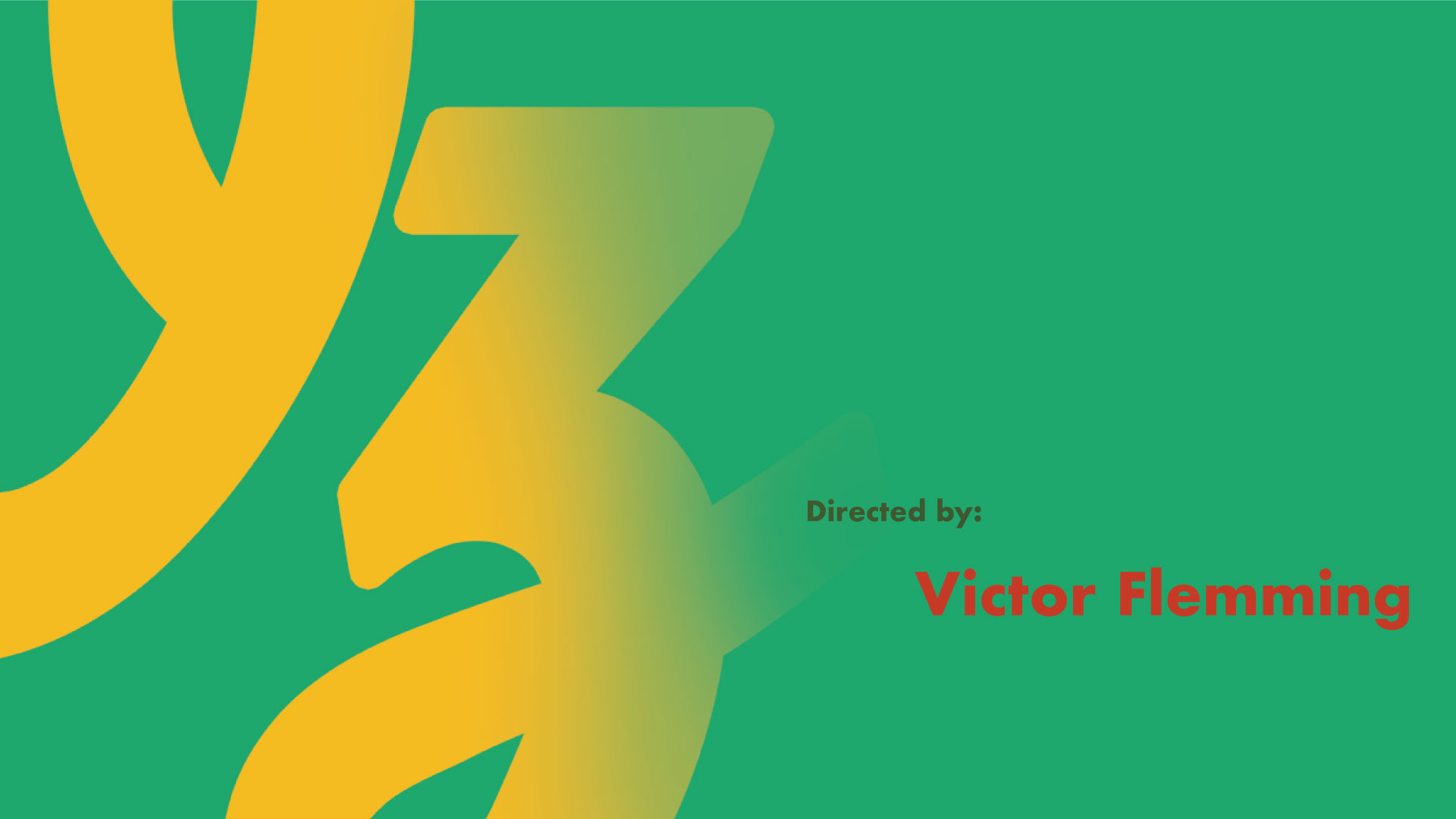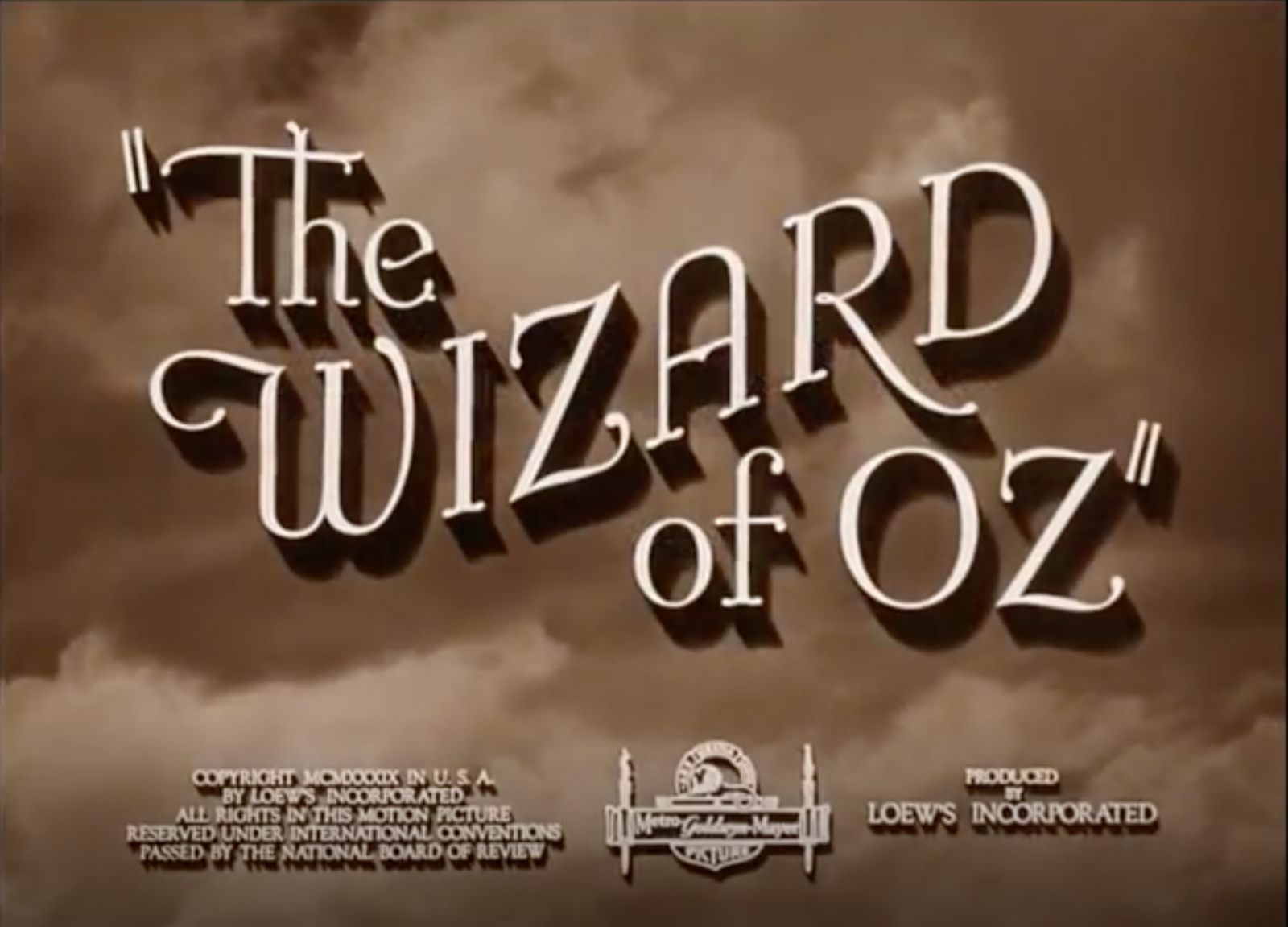
The title sequence of the movie is a simple font with a bold drop shadow over a sepia toned shot of clouds, along with the movie opening credits being shown. This was filmed in black in white and colored with sepia tones, which were popular then.
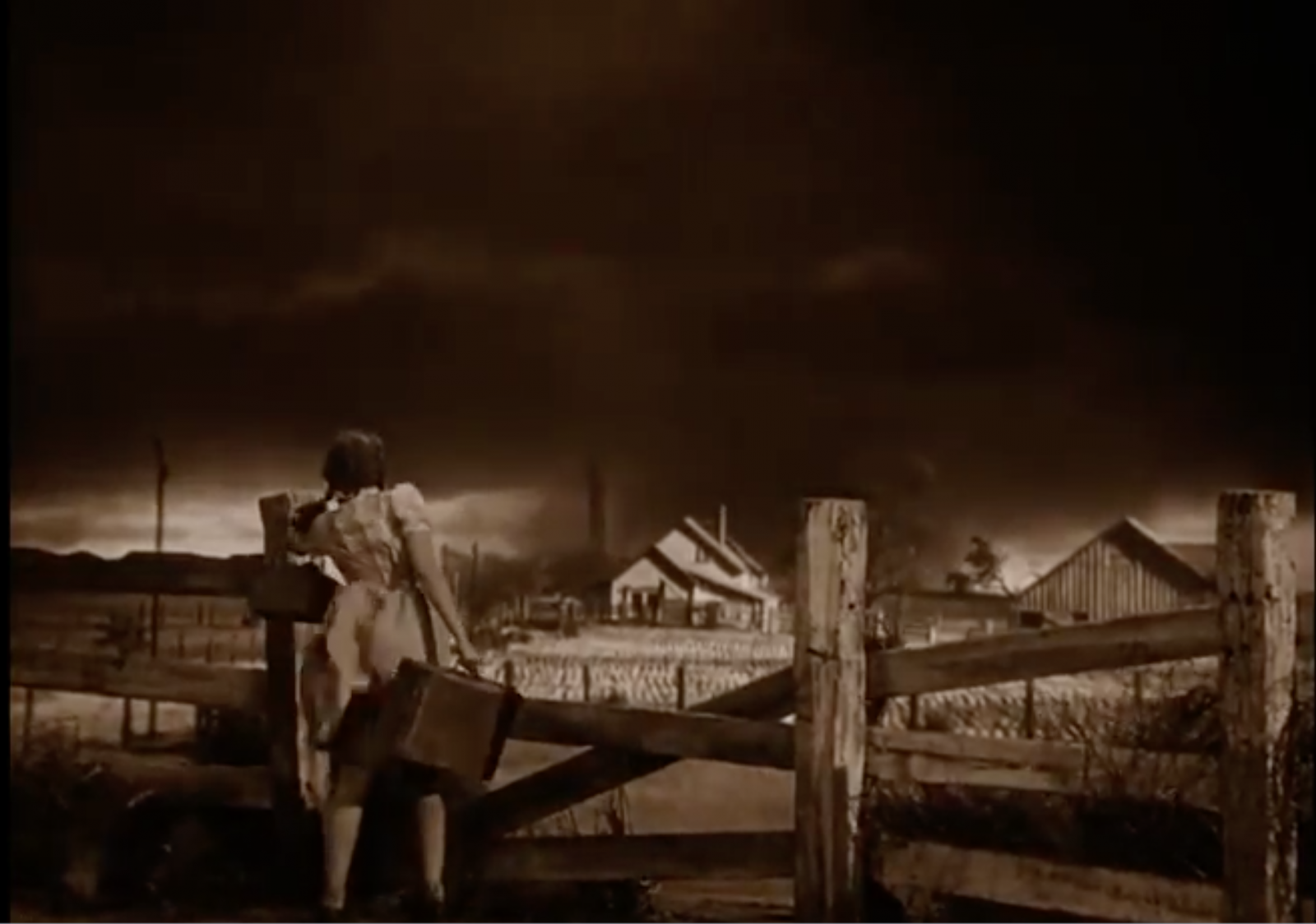
This is one of the first scenes where Dorothy is trying seek shelter in her home after spotting a twister. You are clearly able to see the twister in the dull sepia toned background.
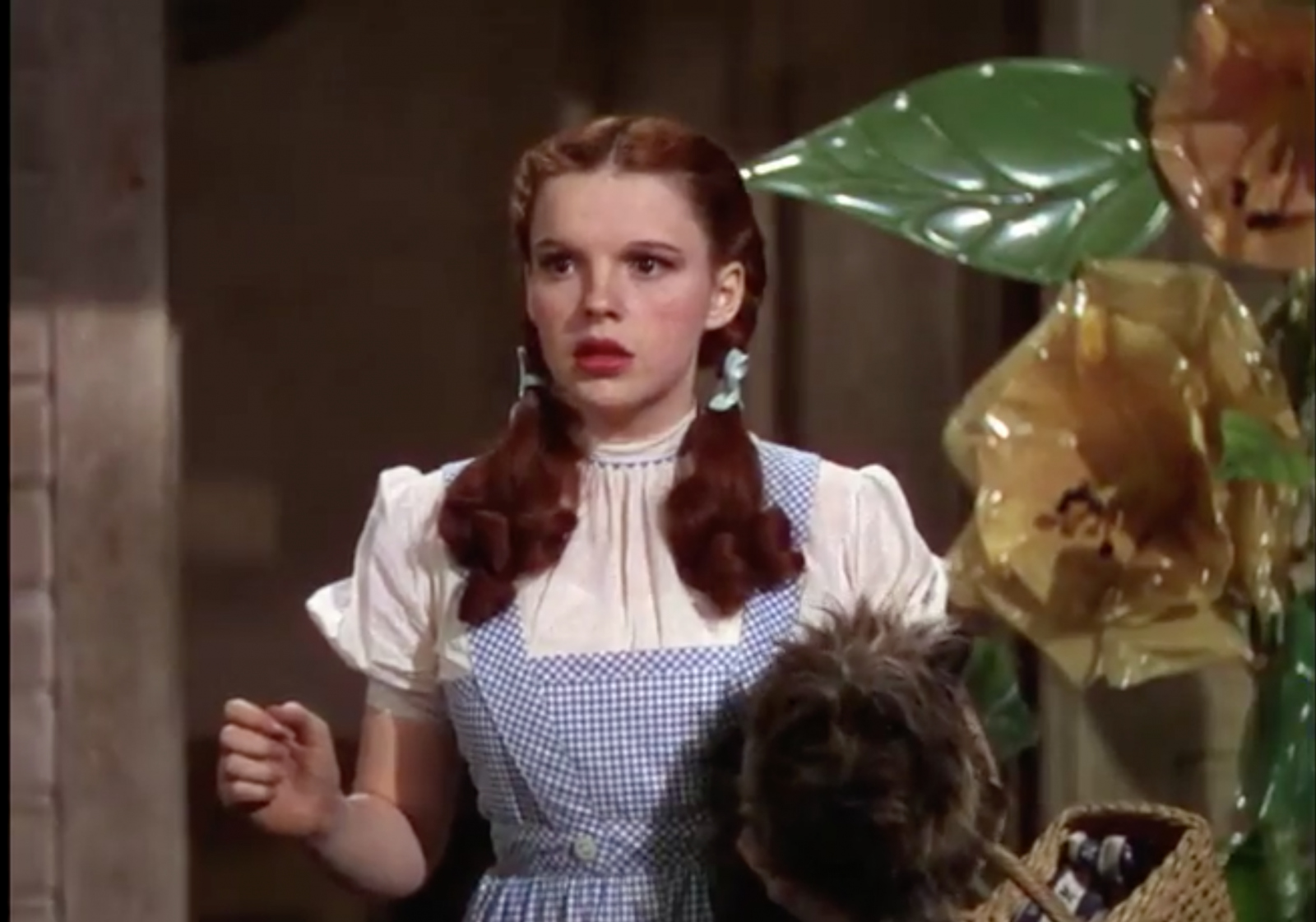
This is one of the first scenes we see in the movie with color. Dorothy arrives to the land of oz after getting caught inside the twister. Every scene in color was filmed in three-strip Technicolor.
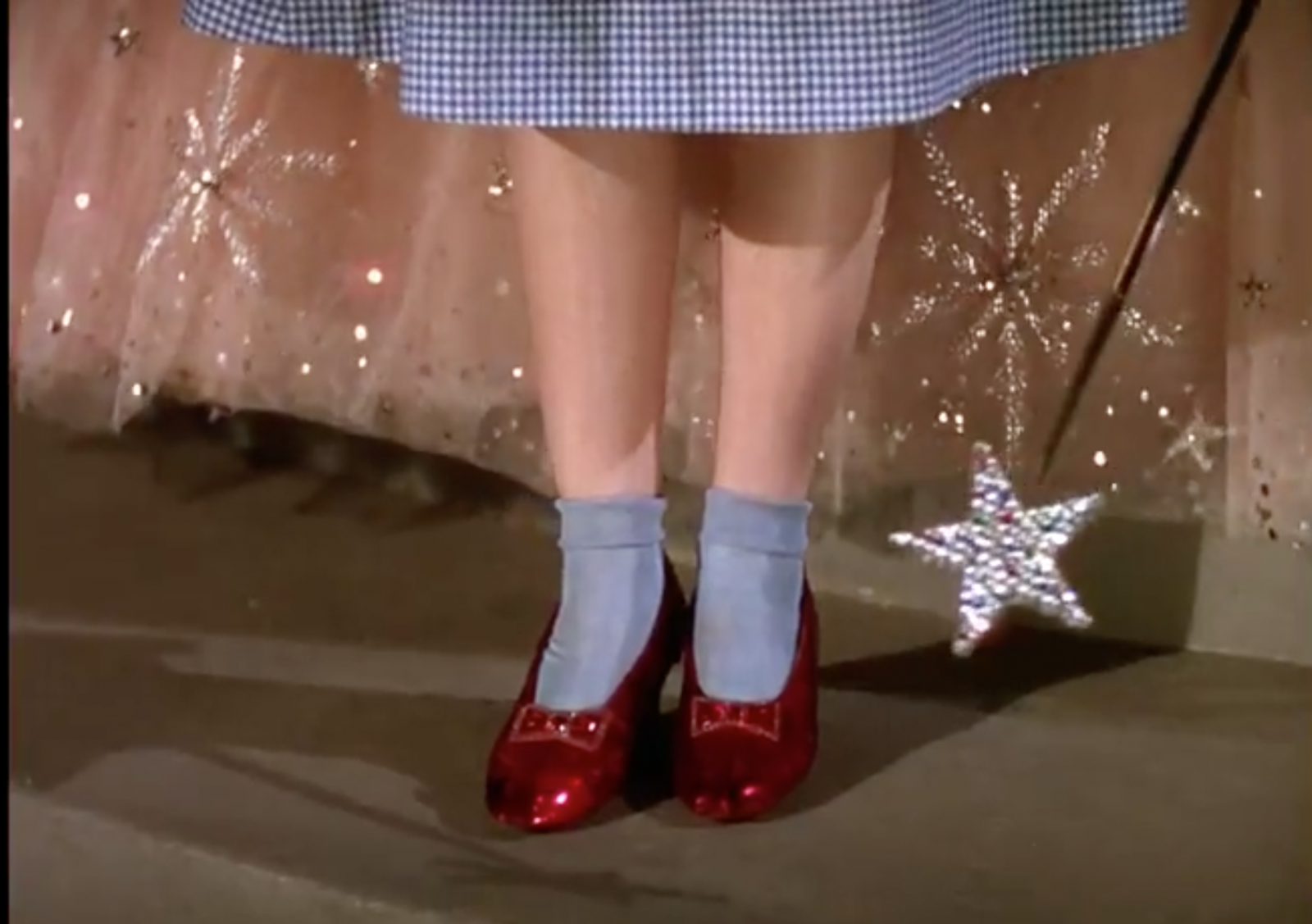
This scene features a close up of the famous ruby slippers which are a main part of the story. The slippers were given to Dorothy as a gift for accidentally landing her house on top of the evil witch's sister. The blue and red in this shot are colors that we will continue to see in the movie.
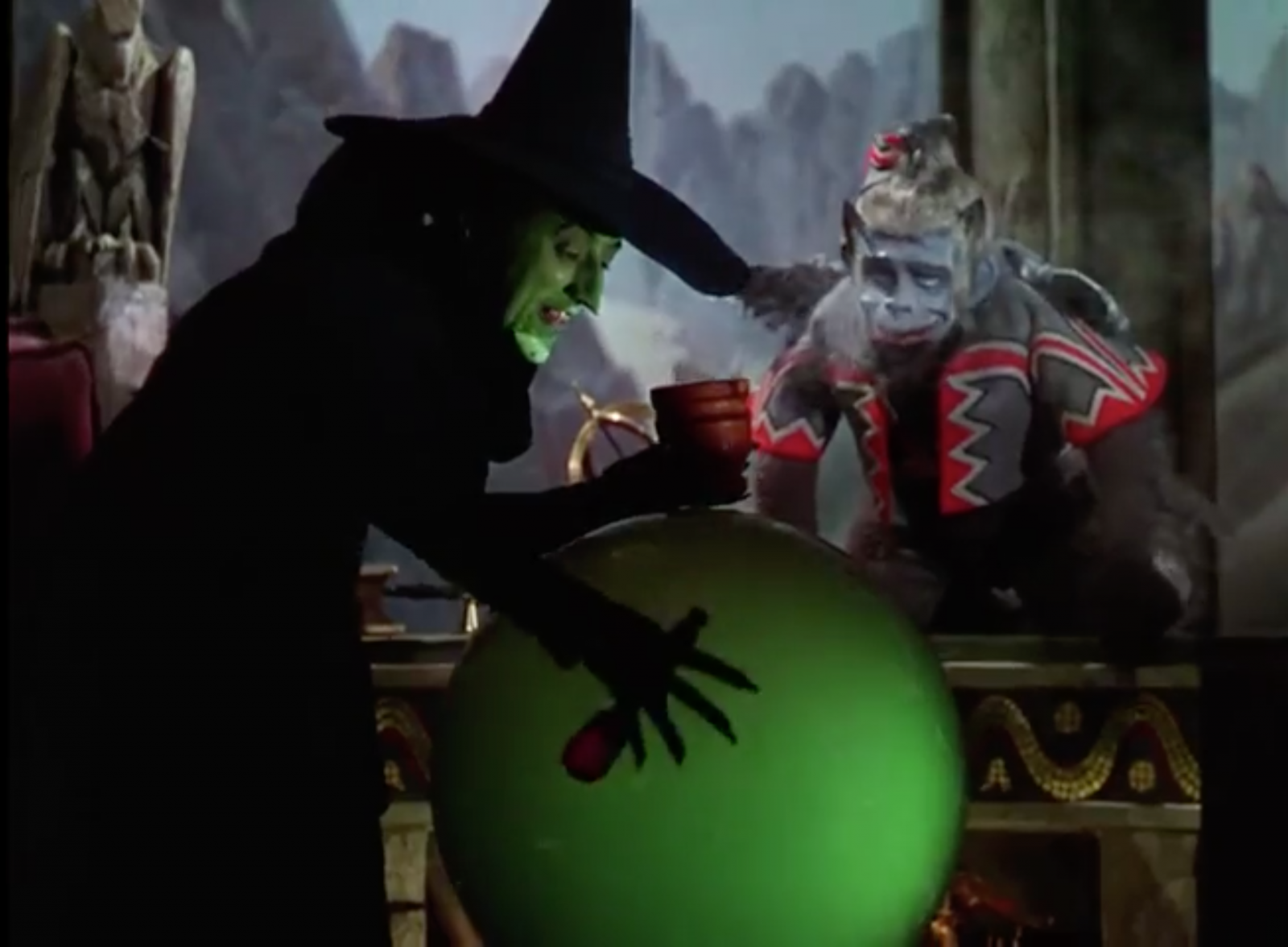
In this scene the evil witch is plotting to sabotage Dorothy and her 3 friends. The main focus of this scene is on the green color of witch's crystal ball and skin. This scene is also less saturated since it's supposed to represent the evilness of the witch.

Dorothy, her dog, and friends are at the flower field when the good witch made it snow so they won't fall asleep. This shot has a less saturated cool tone to resemble cold weather.
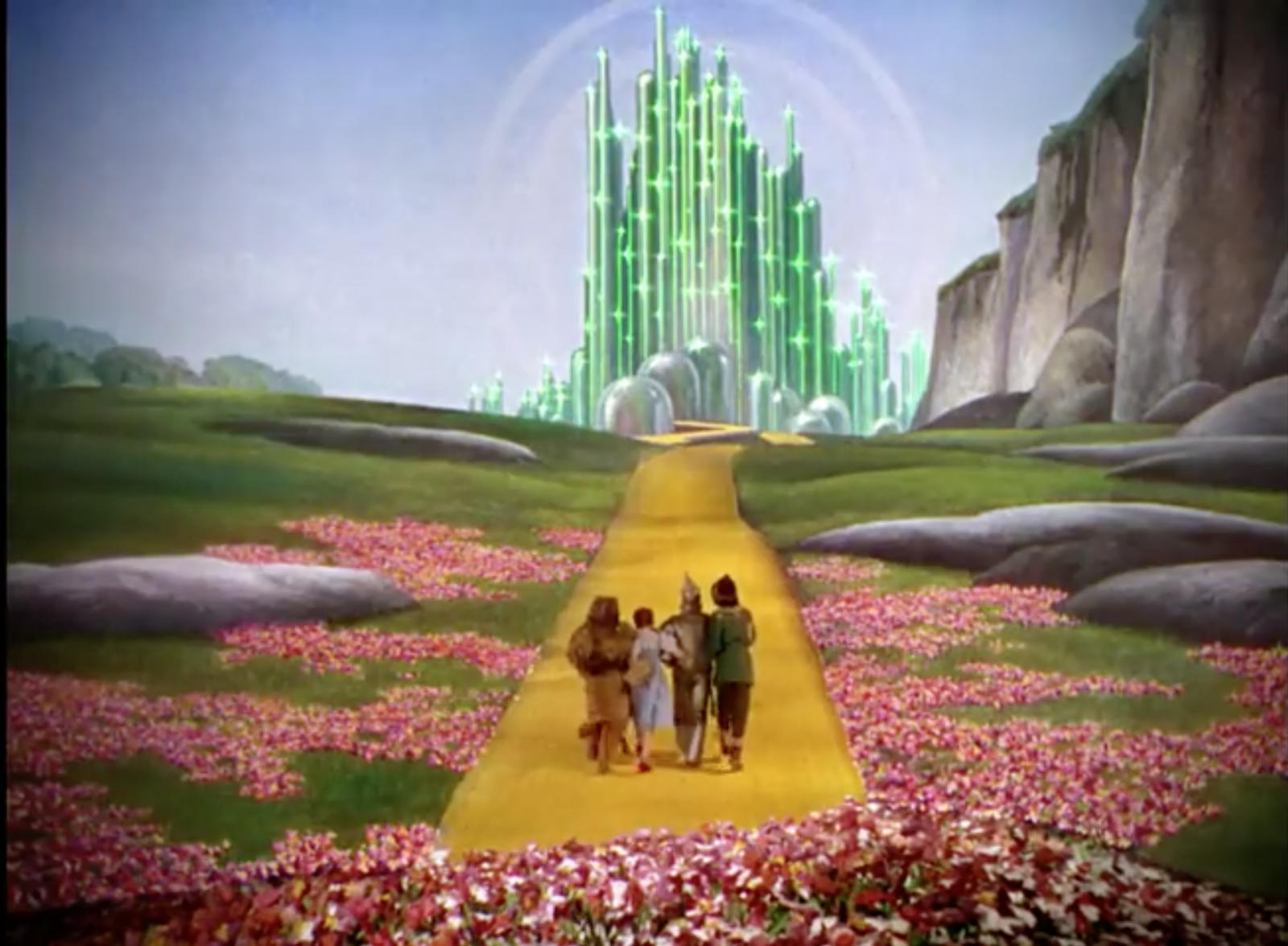
This scene shows Dorothy and her friends following the yellow brick road to the Emerald City. The yellow in this shot stands out the most and is a color that is repeatedly seen in the movie along with green, blue, and red. Scene is also saturated compared to the previous scene.

In this scene, Dorothy defeats the witch by pouring a bucket of water and ends up fulfilling the wizard's order. This scene had much more dramatic lighting and is much more darker, similar to the witch scene from earlier. The red and green in this shot stand out the most.
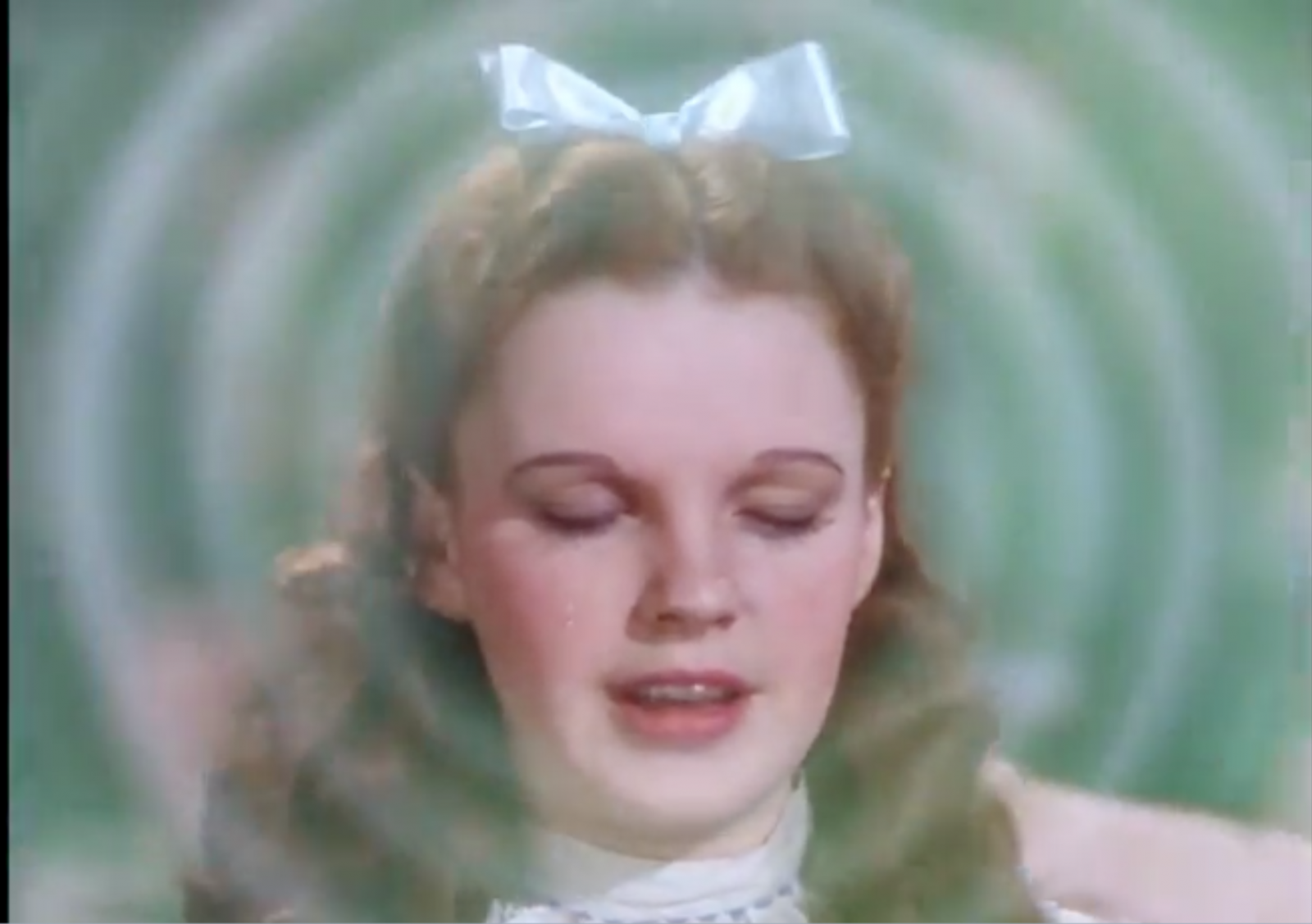
In this scene, the good witch helps Dorothy go back home by tapping her slippers and repeating “there’s no place like home” and it’s one of the last technicolor scenes in the movie. The ripple effect and brighter lighting are used to the scene look more “dreamy” and make it seem as if Dorothy is in a dream.

In the final scene, Dorothy and her dog return home realizing it was all a dream. and the color goes back the original sepia tint in the beginning of the movie.
The Wizard of Oz is a Musical fairy tale based on the 1900s children's book, The Wonderful Wizard of Oz by L. Frank Baum. The film is best known for its soundtrack, characters, and use of technicolor.
The movie is set in the late 1930's and narrates the story of a girl from Kansas named Dorothy, A tornado hit and she was running to seek shelter in her home, but debris from the wind hit her and she fell unconscious. She wakes up in the Land of Oz, and Glinda the good witch then tells Dorothy to follow the yellow brick road to the Emerald City. During her journey, Dorothy encounters many obstacles and meets the Scarecrow, the Tin Woodman and the Cowardly Lion. In the end, Dorothy defeats the Evil Witch and makes her way back home.
This movie was filmed in three-strip technicolor for the colorful "Land of Oz" scenes. For the opening and closing scenes, they were filmed in black and white and were colored using a sepia tone. The music is also a huge part of the movie, each song sets the mood for each scene and describes how the cast is feeling. The color palette is very consistent throughout the movie, yellow, green, and red can be seen in almost every scene.
Words: Musical, Fairytale, Technicolor, Friendship, Journey
Thesis: After Dorothy and her dog get lost in the Land of Oz, she is determined to find her way back home with the help of her friends following the yellow brick road.
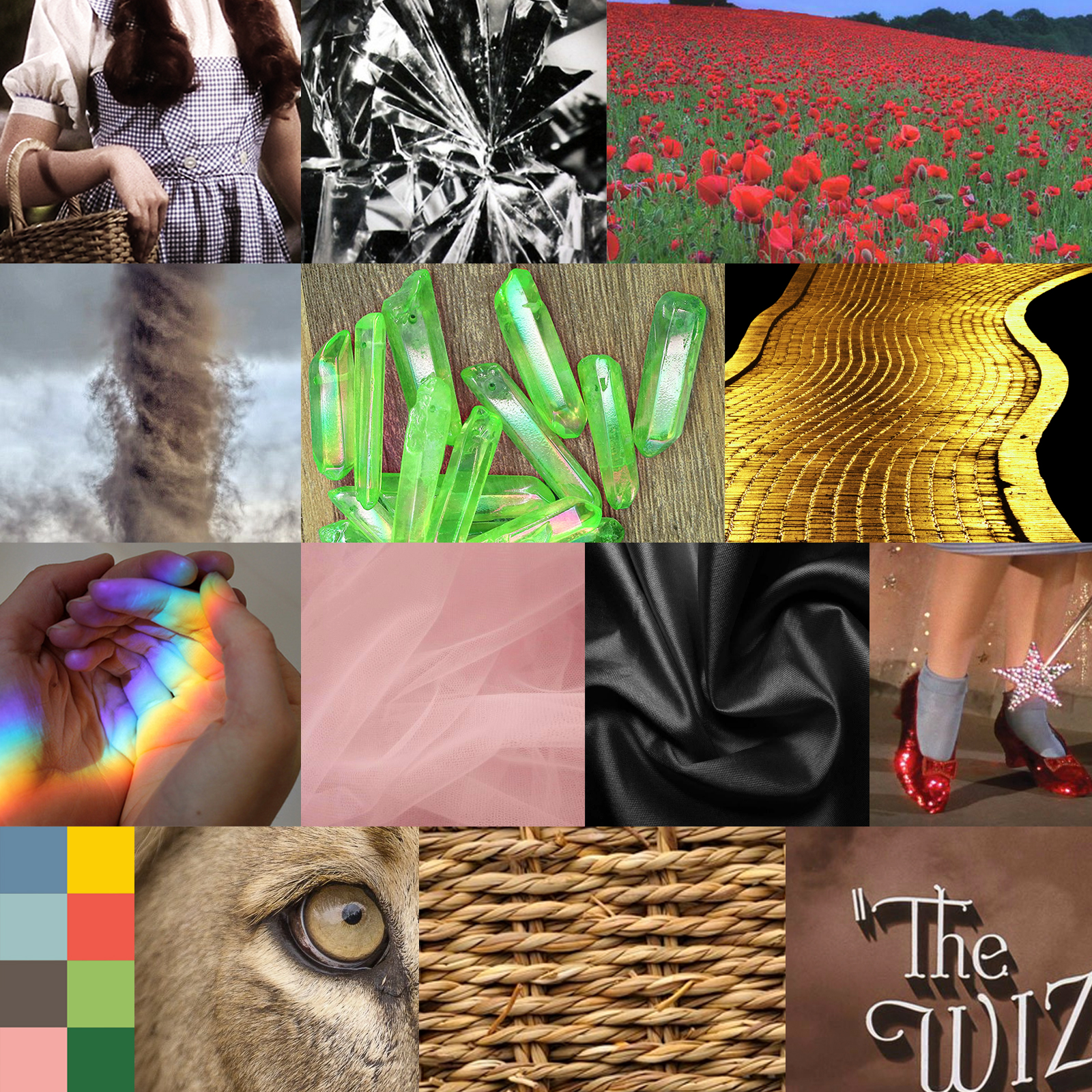


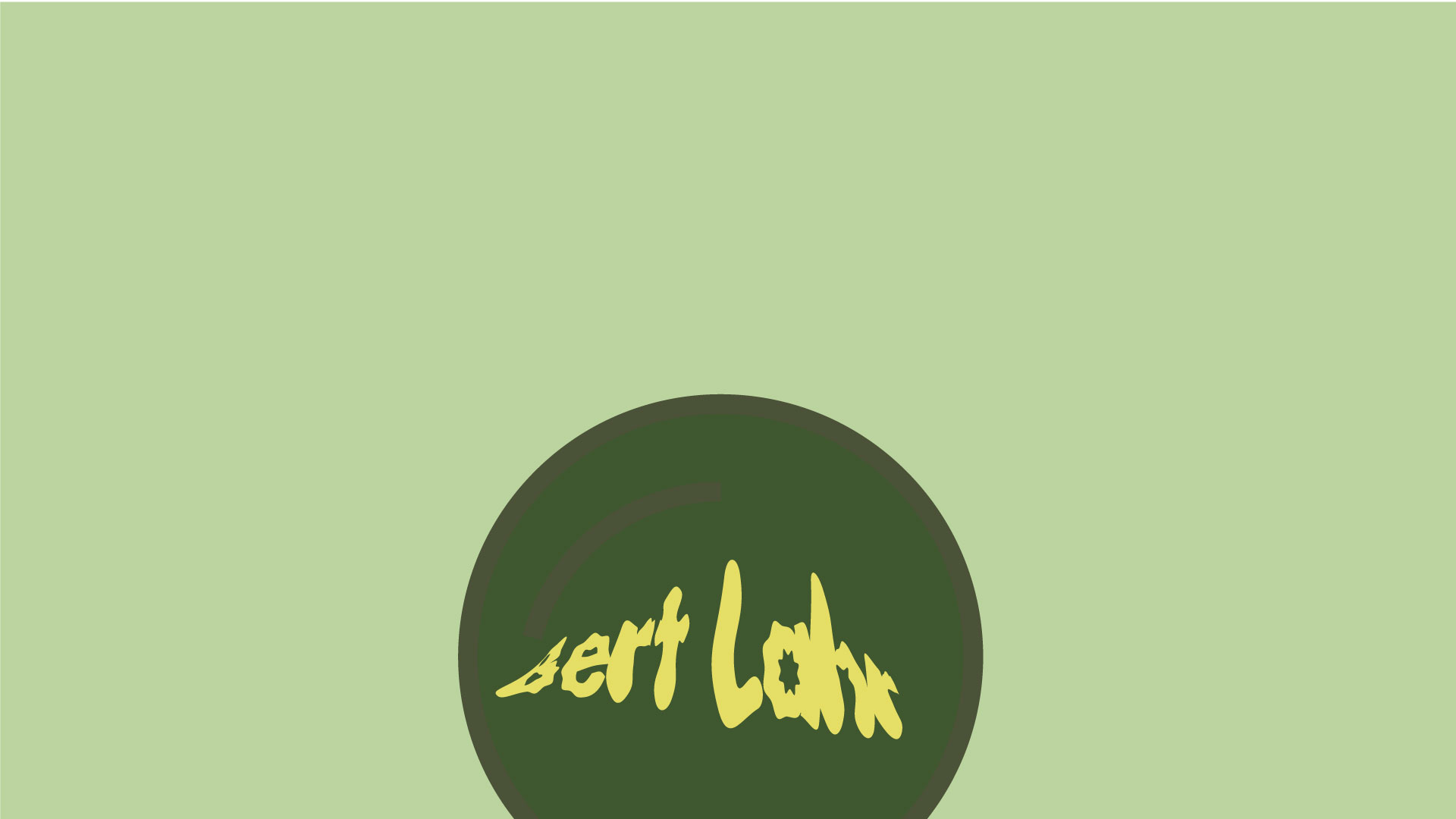



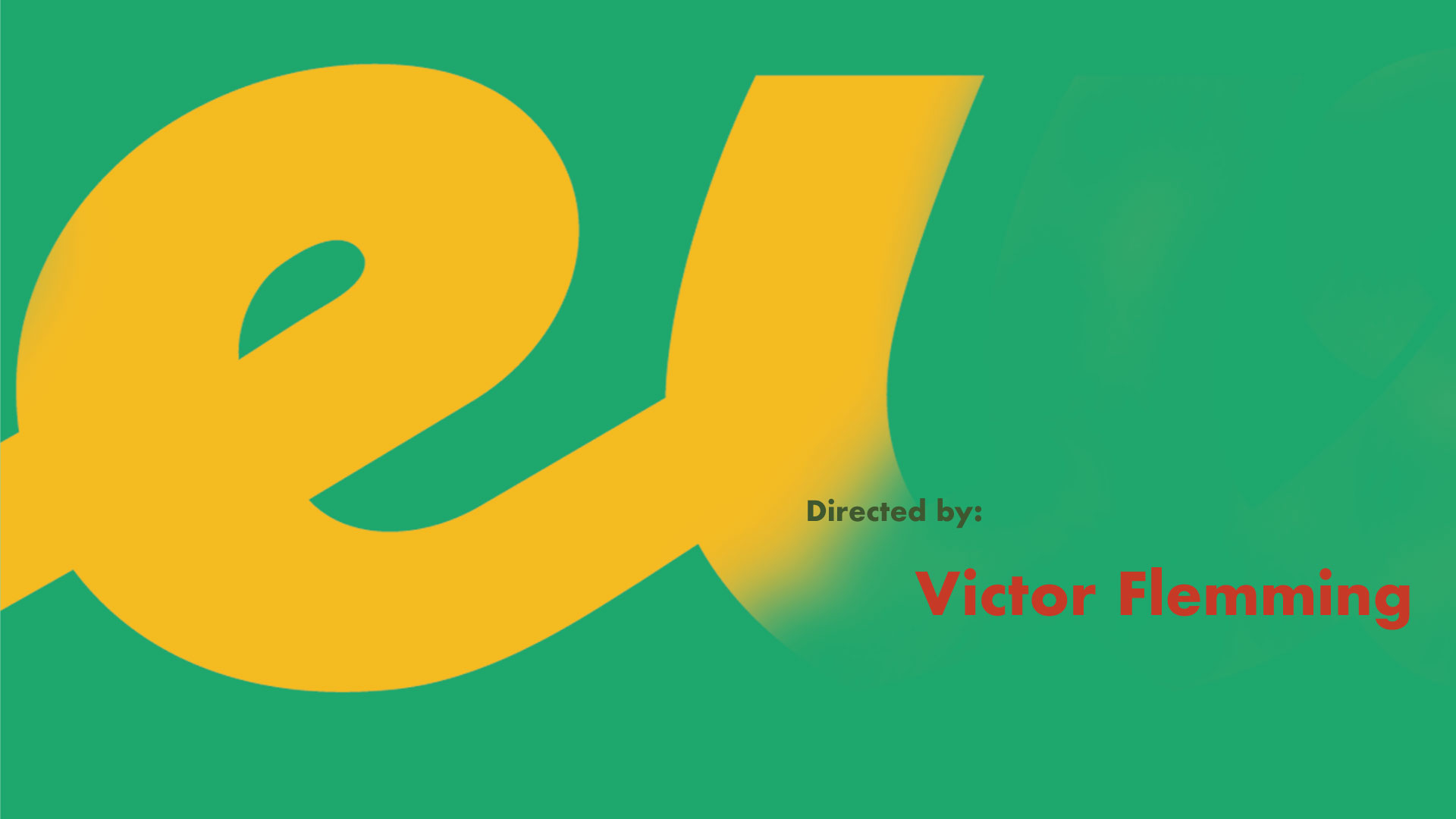
The opening scene will be black and white and will transition to color, like how it happens in the film.

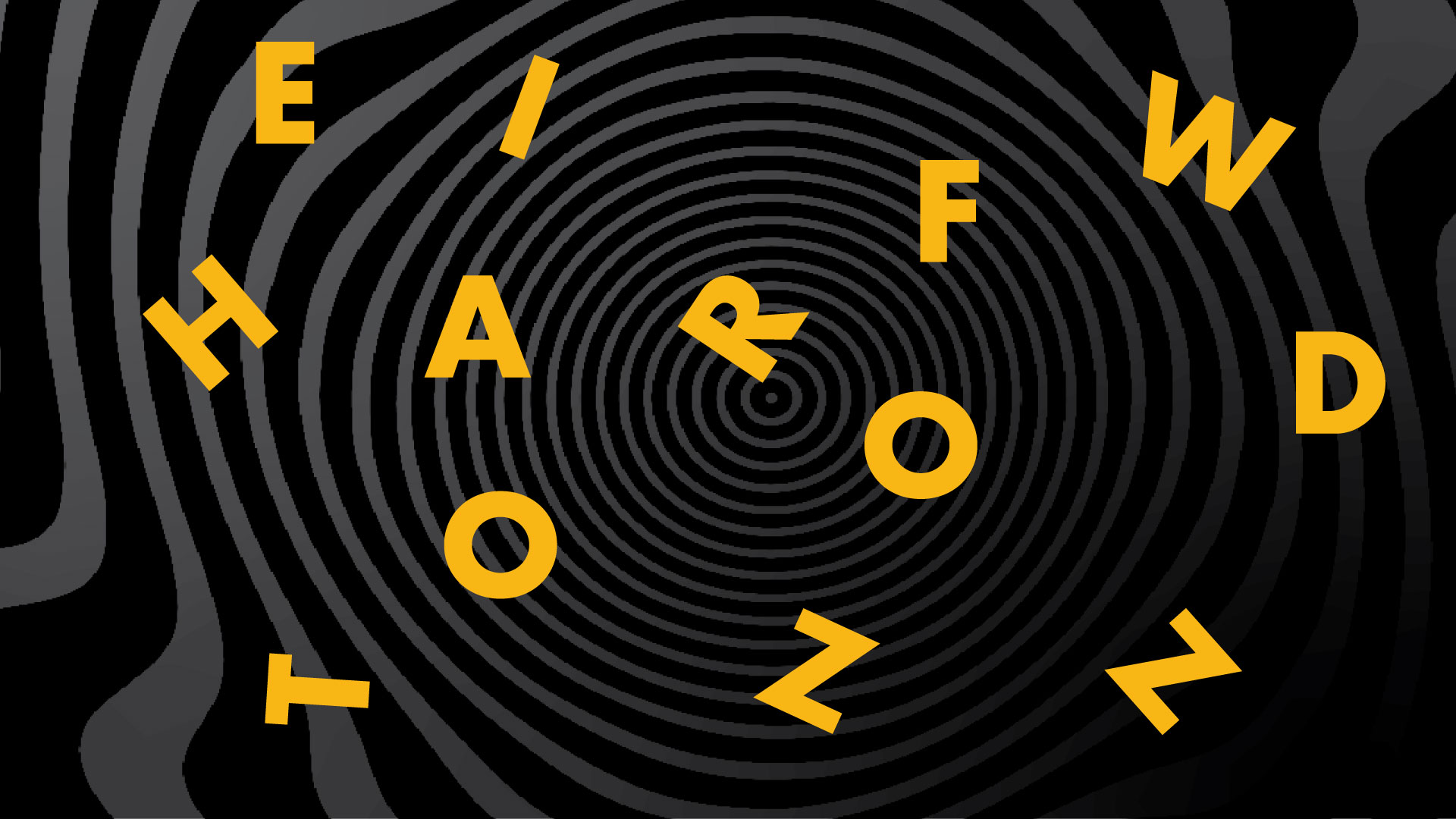
Letters will start to shake then fall into a circular motion. there will be swirl animation to resemble the tornado used as the background. The letters spinning around will represent the debri caused by the tornado.
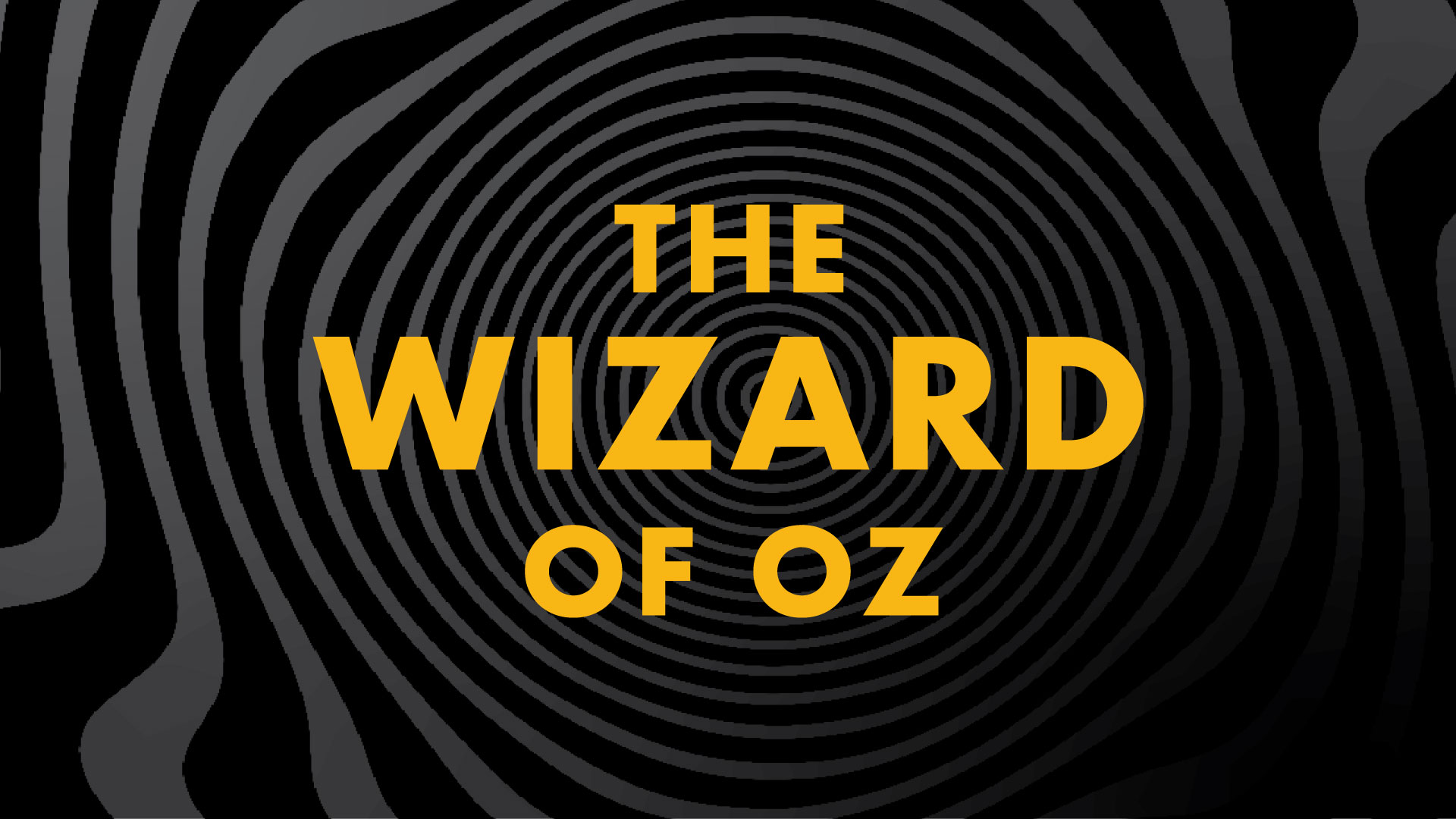
Letters will arrange back together to form the title.

The title "wizard of oz" will be appearing through the animations as a path to represent the yellow brick road. The path will be used a transition from black and white to color.


The dark green color in the bottom is used to as "oil" and will move around in waves like water. This scene represents the use of oil that the tin man needs to move.

"oil" will rise and be used to transition into the next scene.

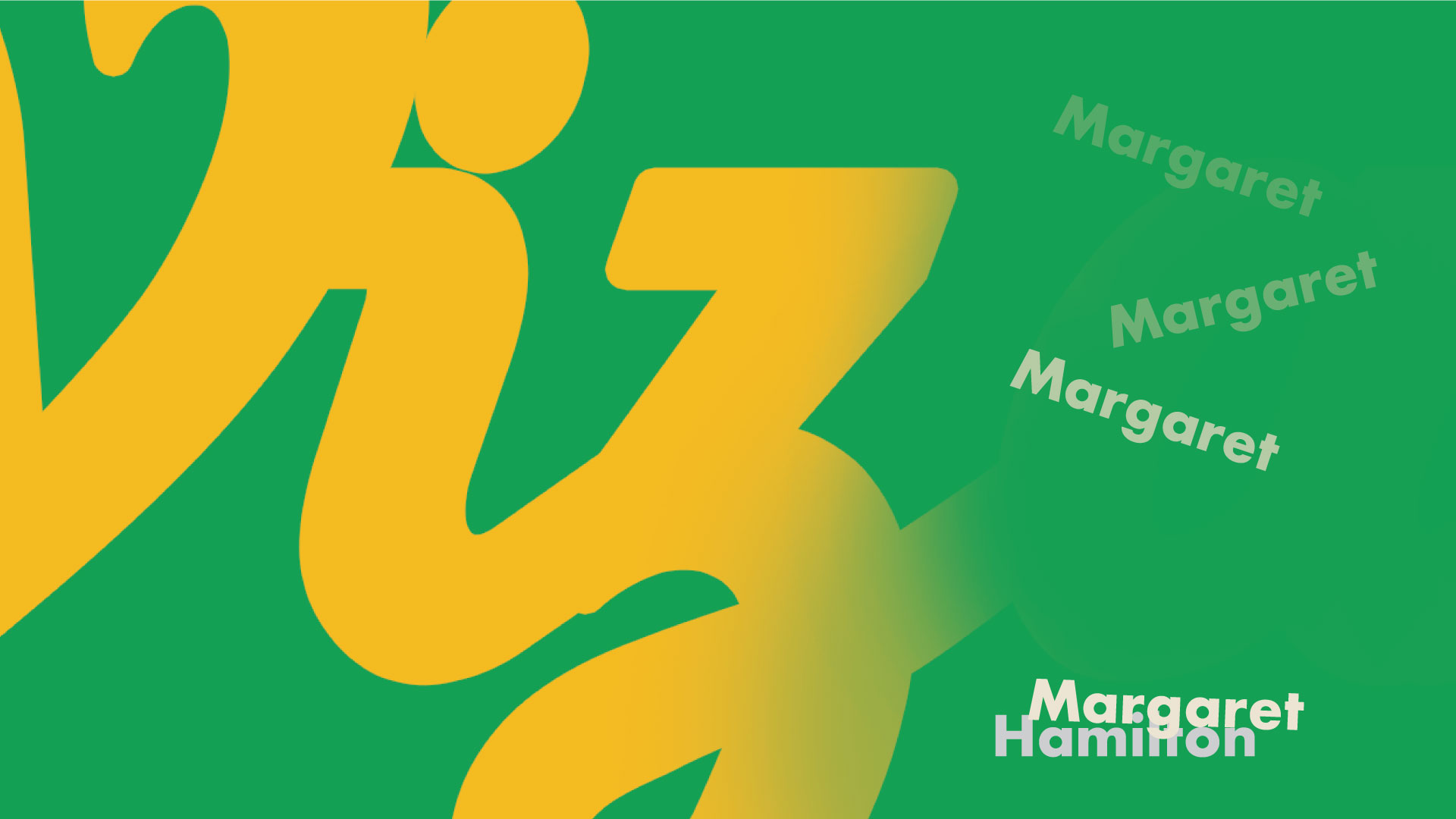

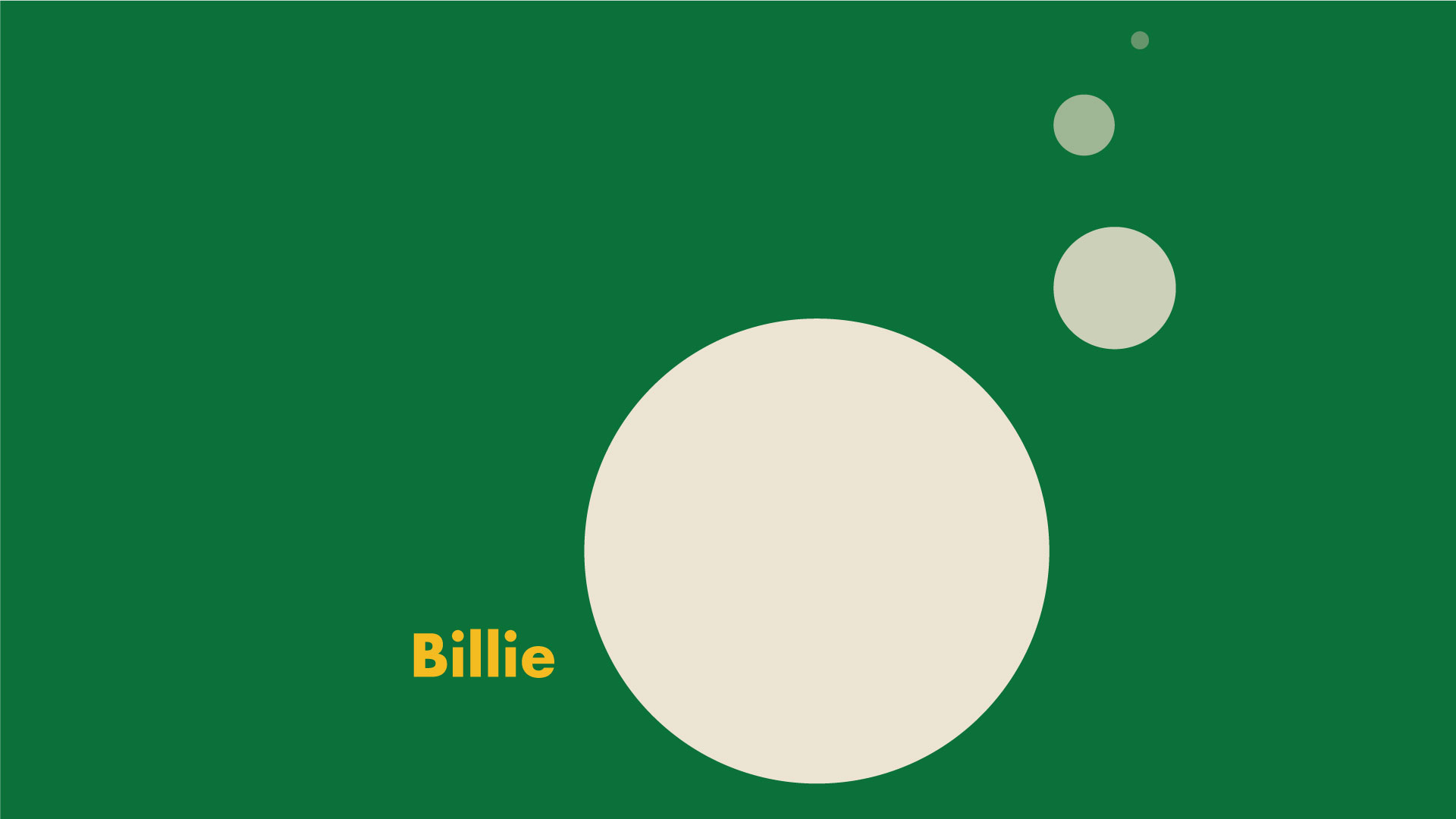
The bubbles represent the good witch of the north. They will burst revealing the actress name and last name.

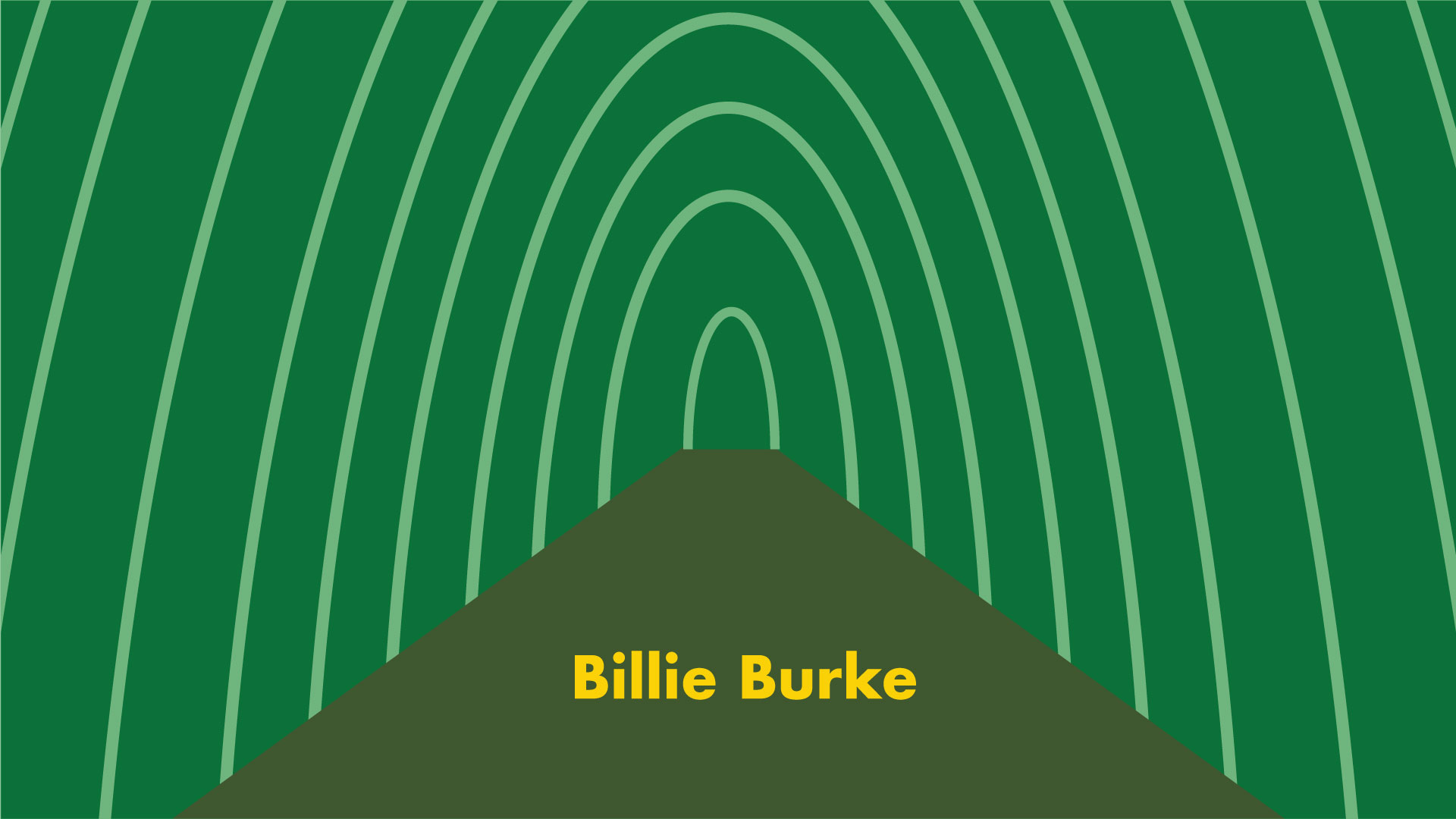
This scene represents the castle and the text will be moving along as if it was walking.


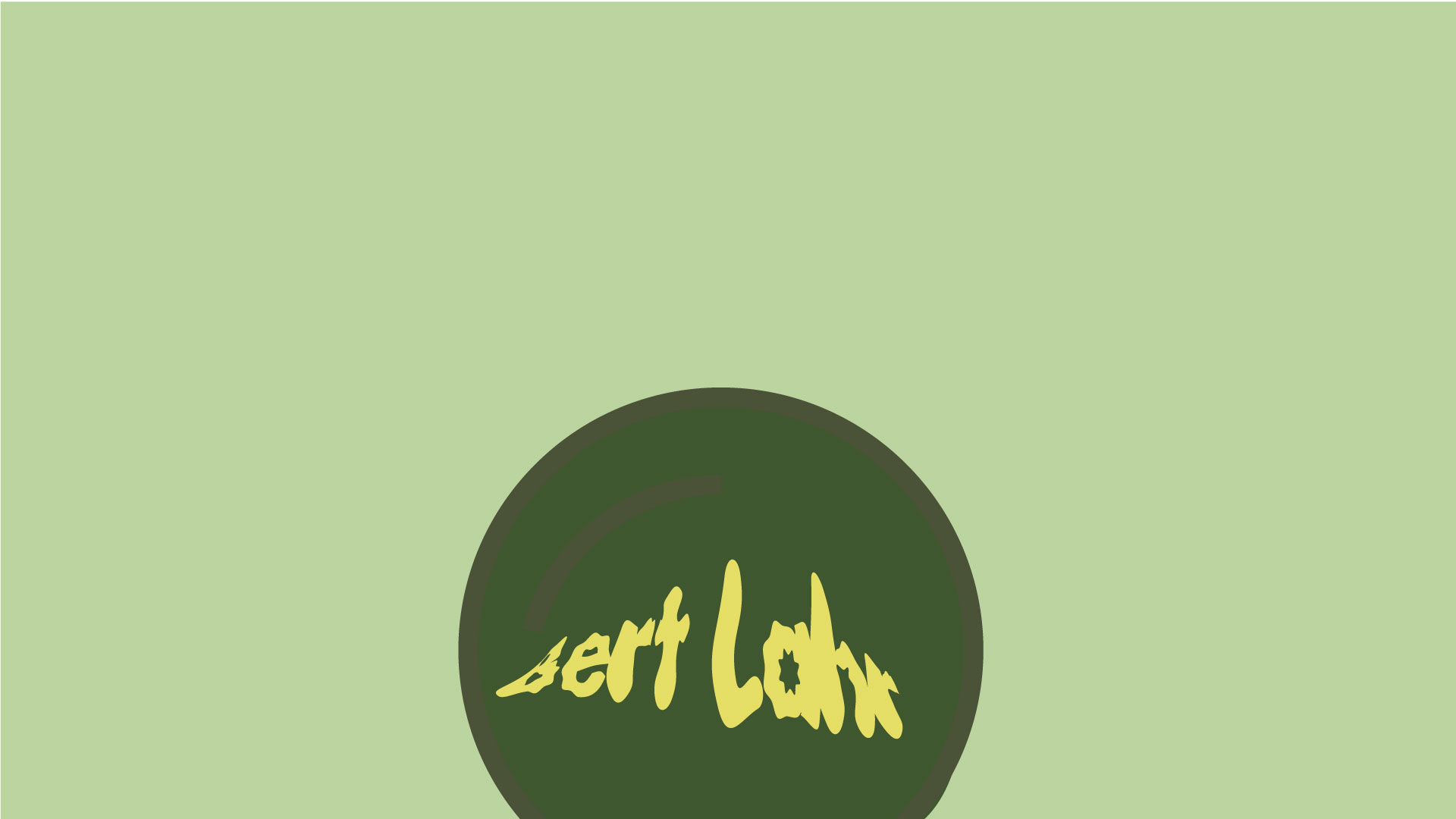
This is the crystal ball and text inside will be distorted and will become legible.


Snowflakes will be used as a transition


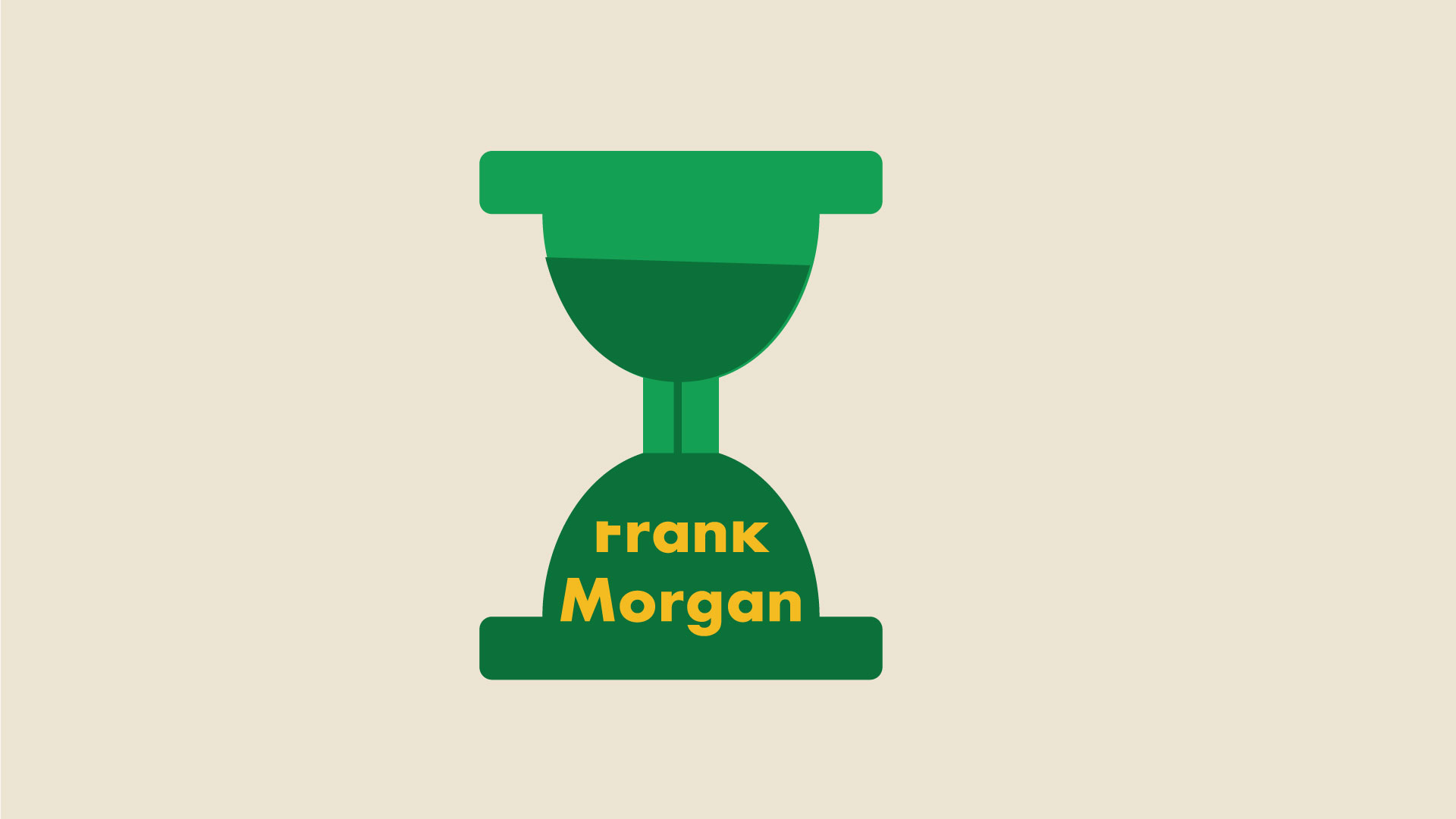
Hourglass will be animated to reveal the actor's name.

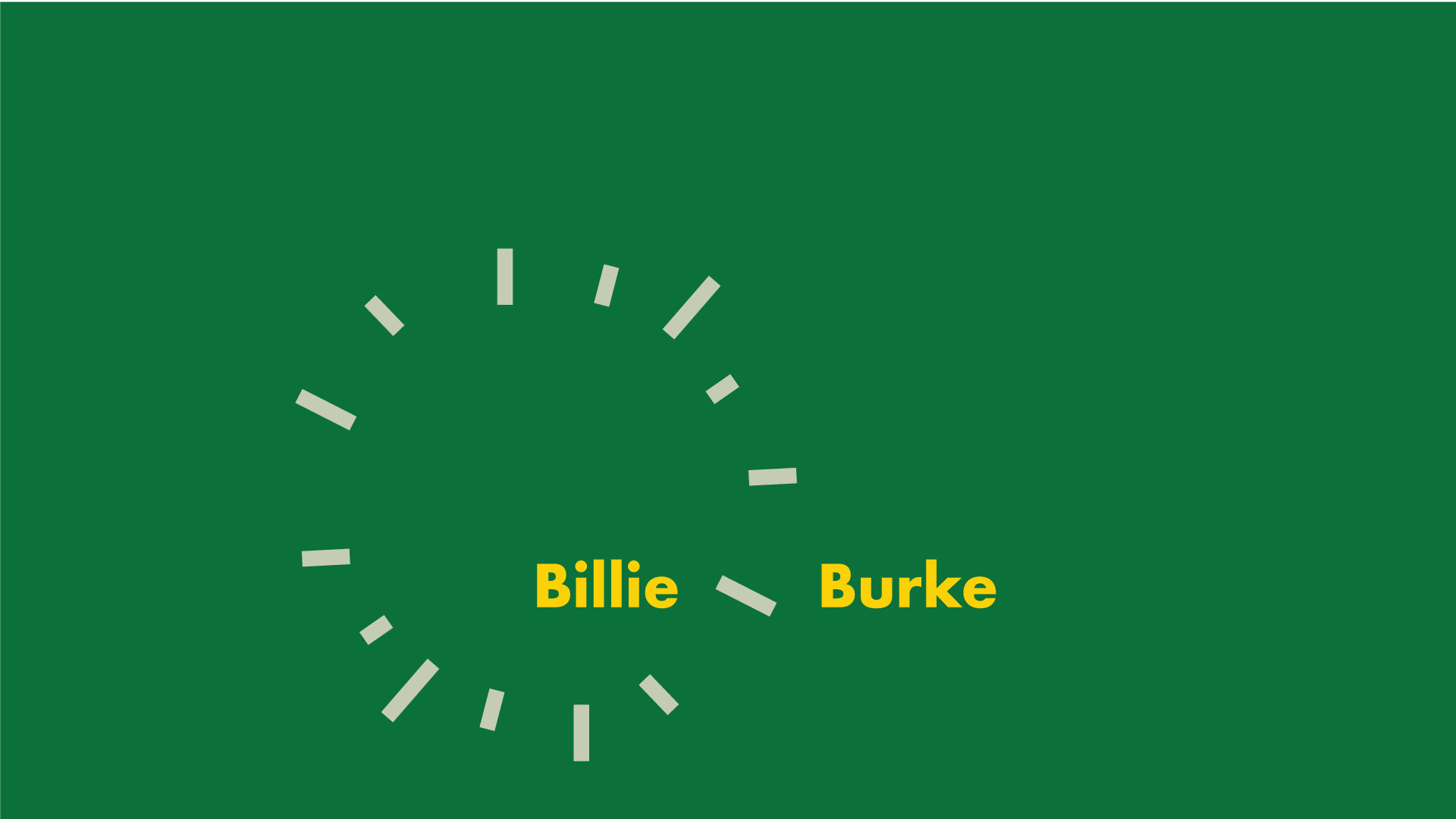
The panels in this scene represent the walls of the Emerald City.