


We are first introduced to the Man in the Planet, who pulls levers and seems to ultimately control the dream-like reality. Within just this shot we are presented with a very intense black and white visual theme, as well as textures and deformities shown on the skin of the Man in the Planet.

We then see the main character, Henry, float in space. A spermatozoon-like creature comes out of his mouth, and the clips overlay.

The Man in the Planet pulls a lever, and the spermatozoon creature falls into a puddle. In this shot, we can see dirty texture as well as the first shot of a puddle or pool (which recurs throughout the movie), which, in this case, might represent a womb.

Here we see a shot of the sky from inside a hole in the ground, which might represent birth.
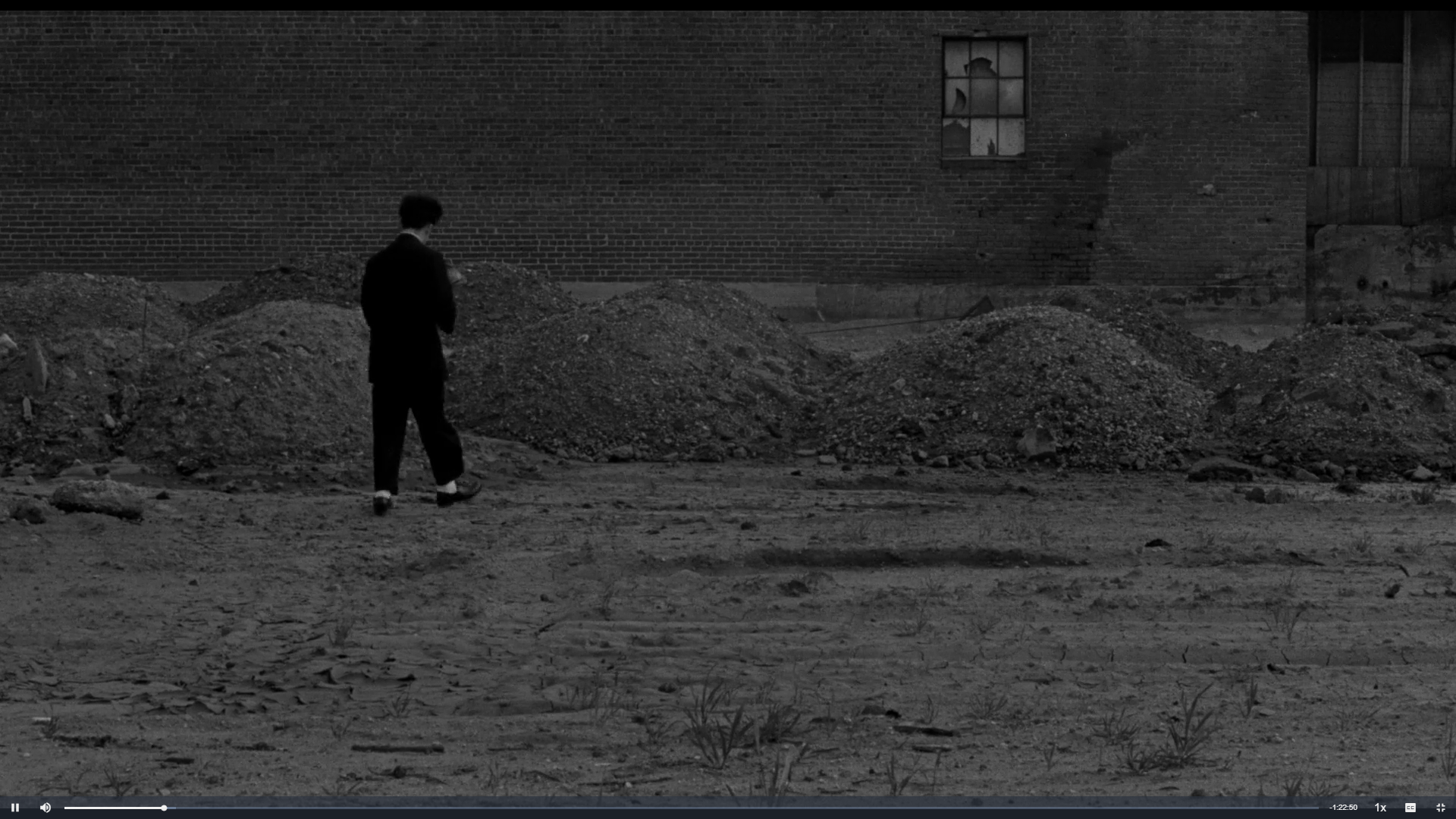
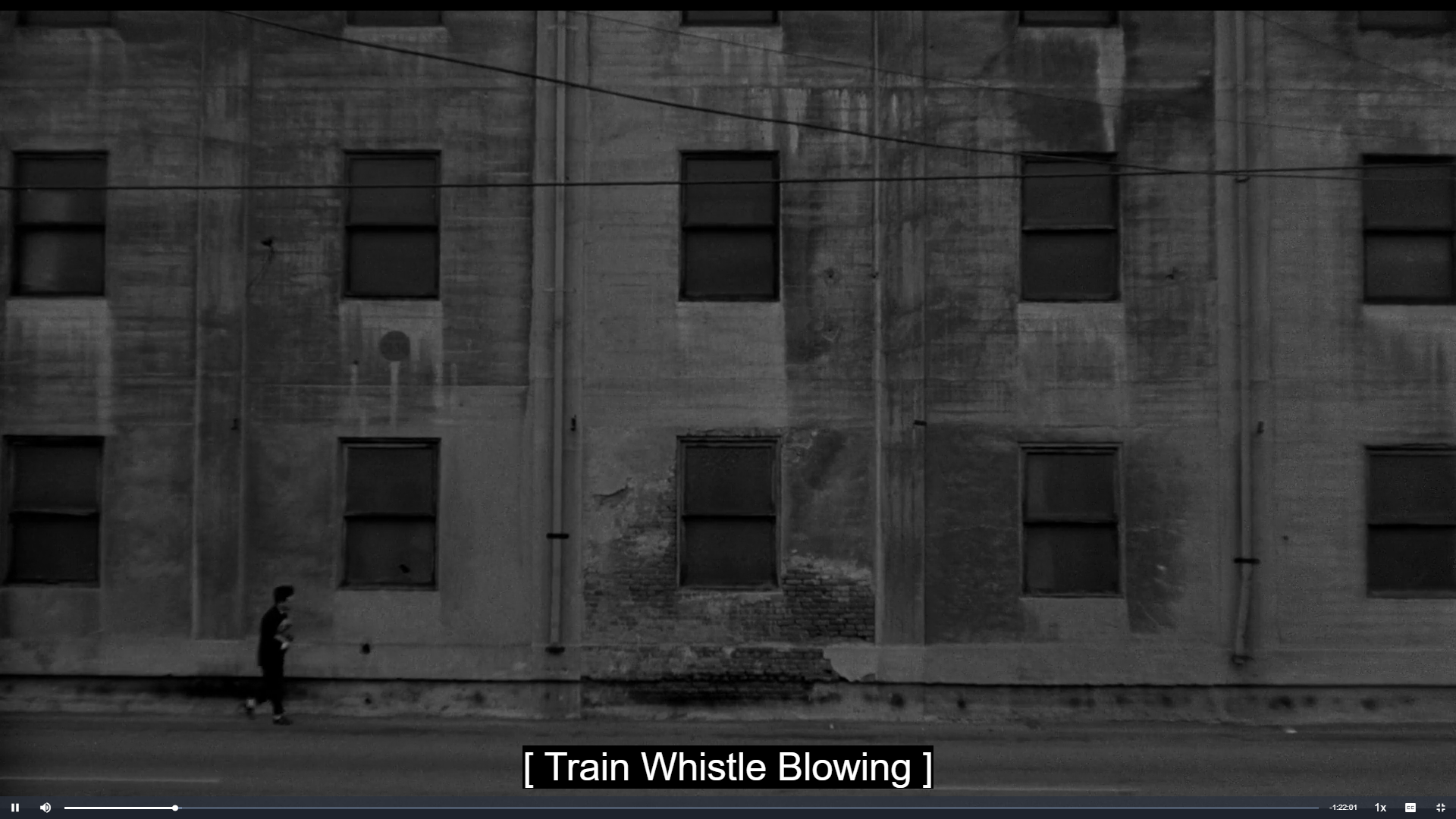
Introduction of an outdoor setting/industrial wasteland.
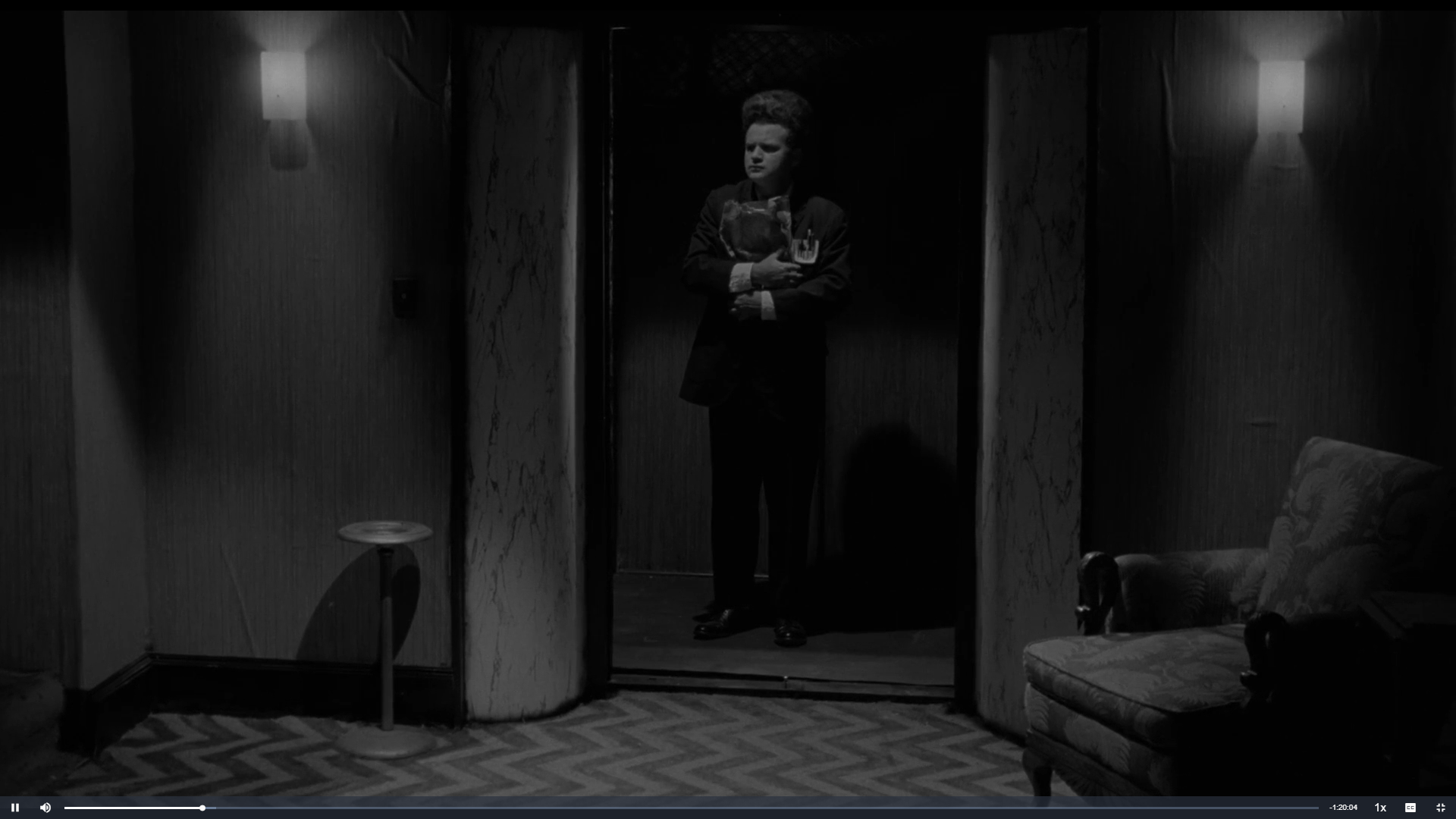
First pattern (floor)
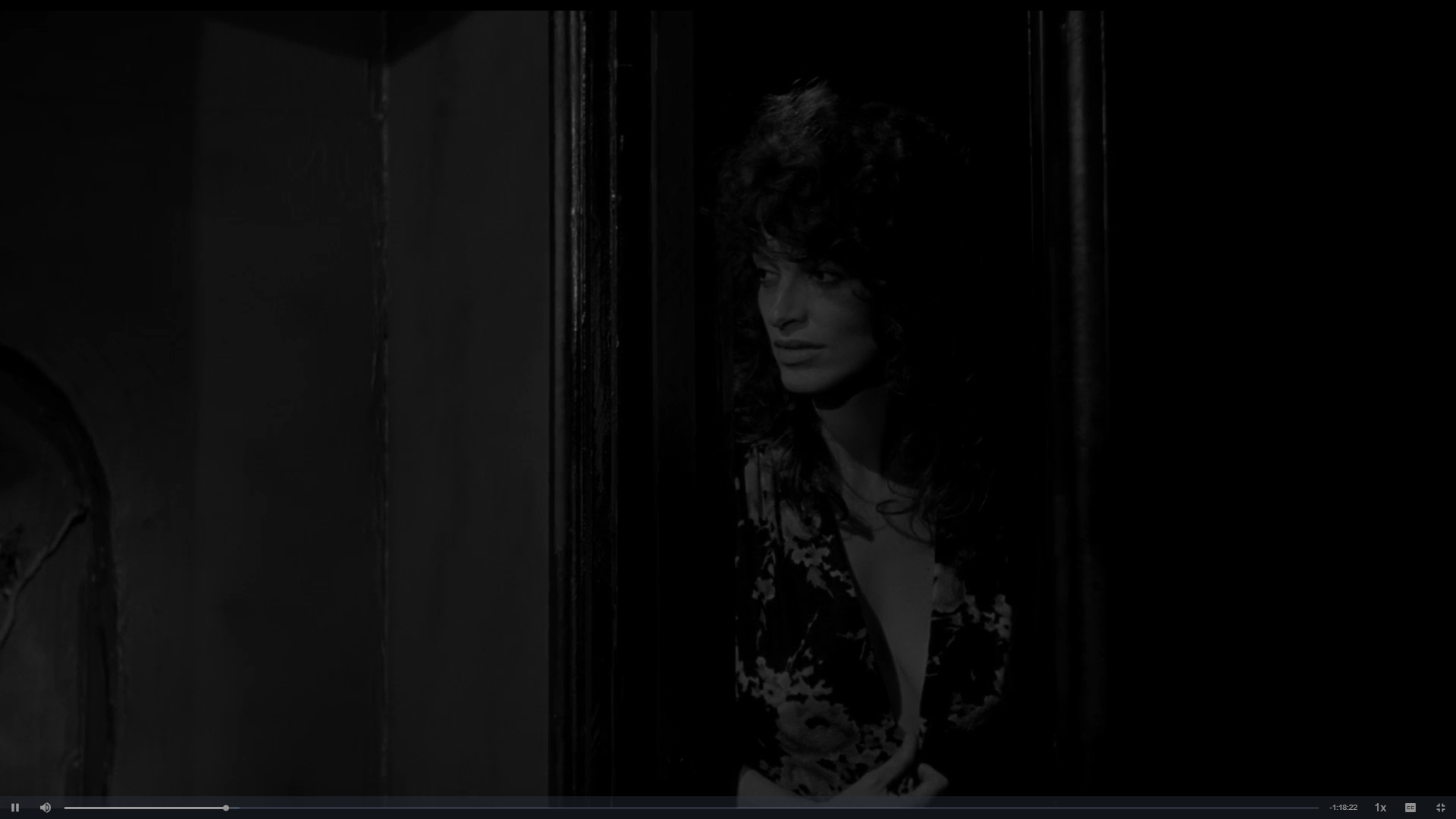
Henry's next door neighbor who informs Henry his girlfriend, Mary, invited him to dinner.
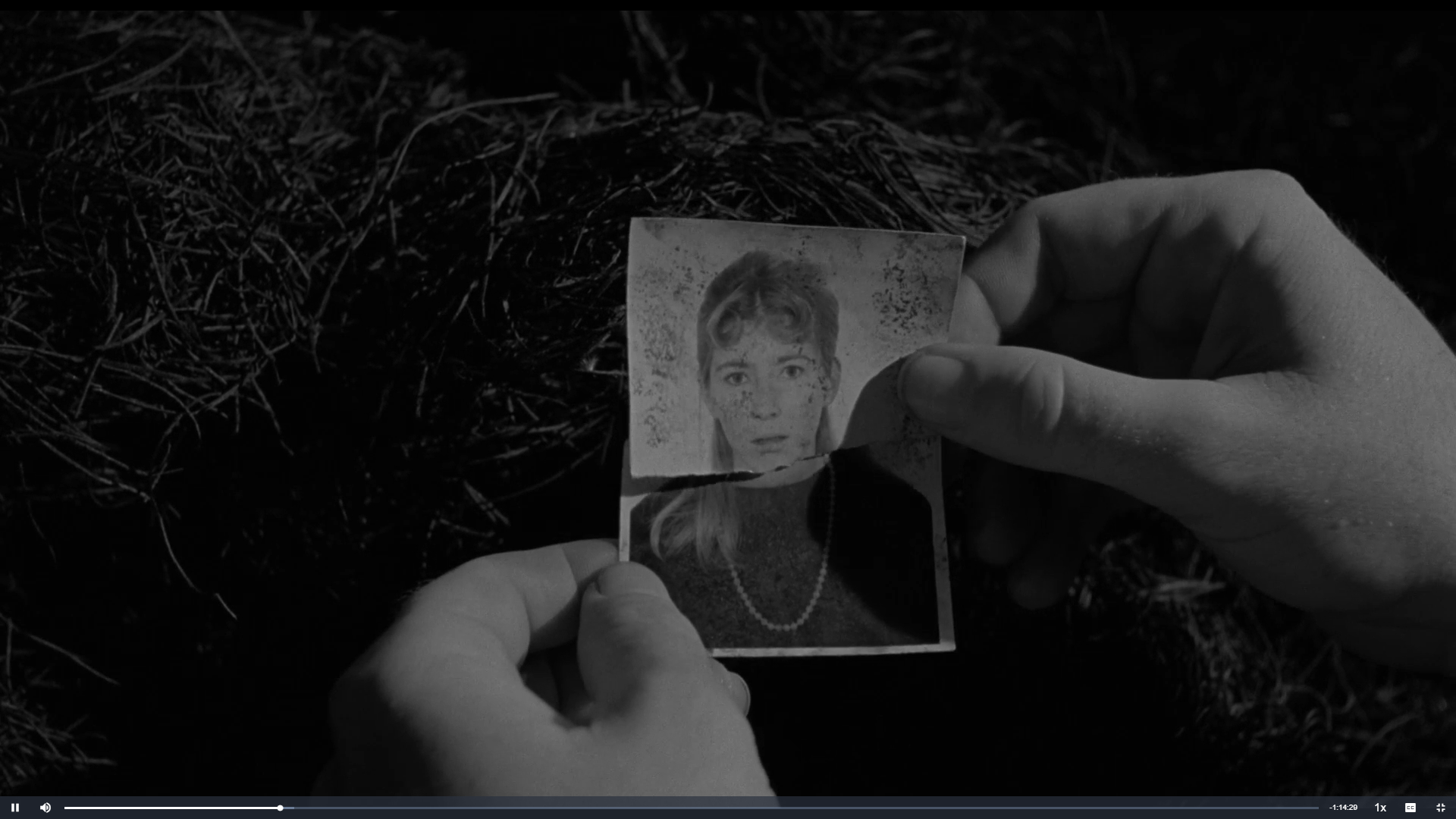
A torn picture of Mary that Henry took out of a drawer, which can represent a strained or complicated relationship.
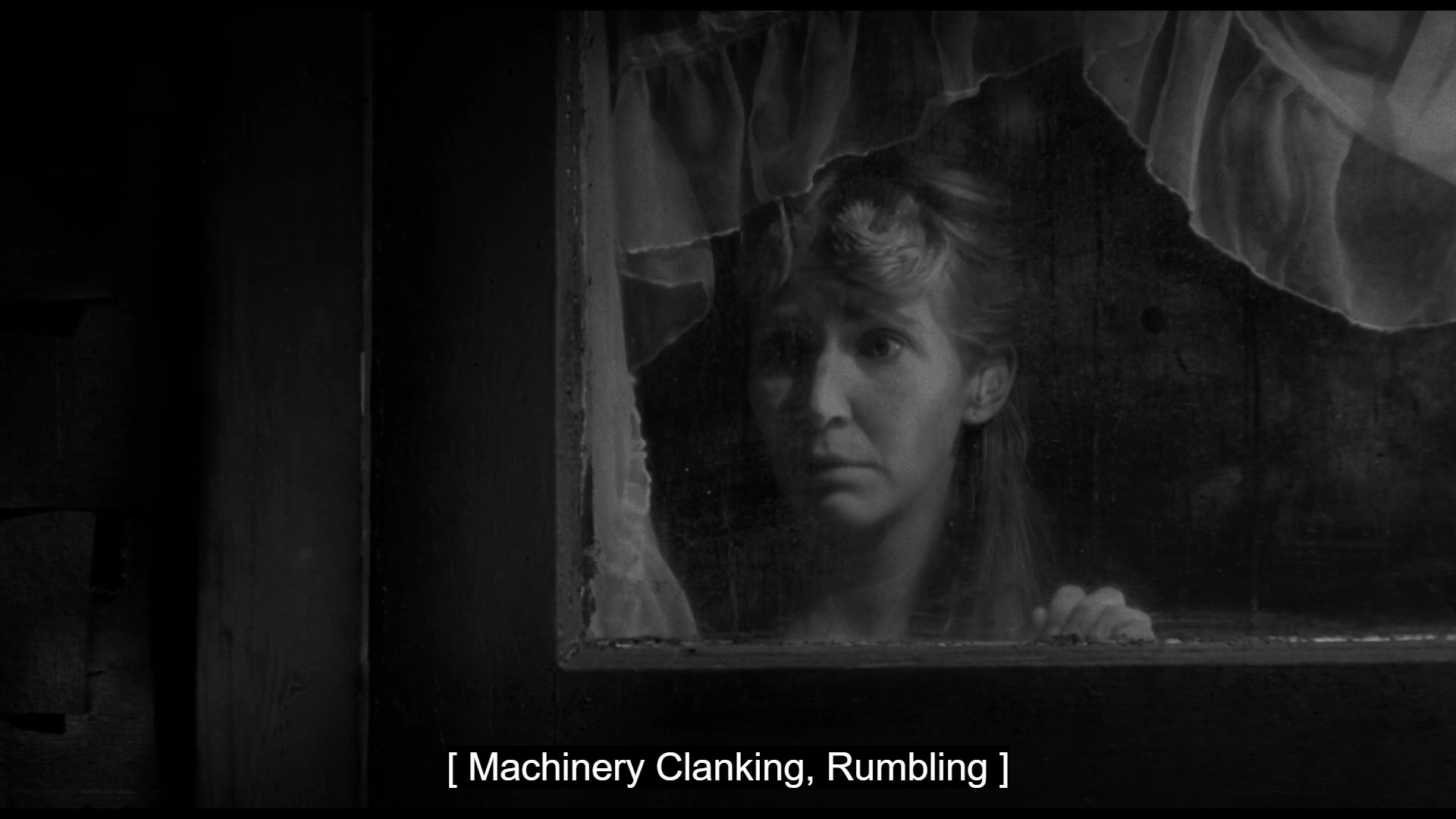
Sound description, dirty window.

Another shot of outdoor setting.
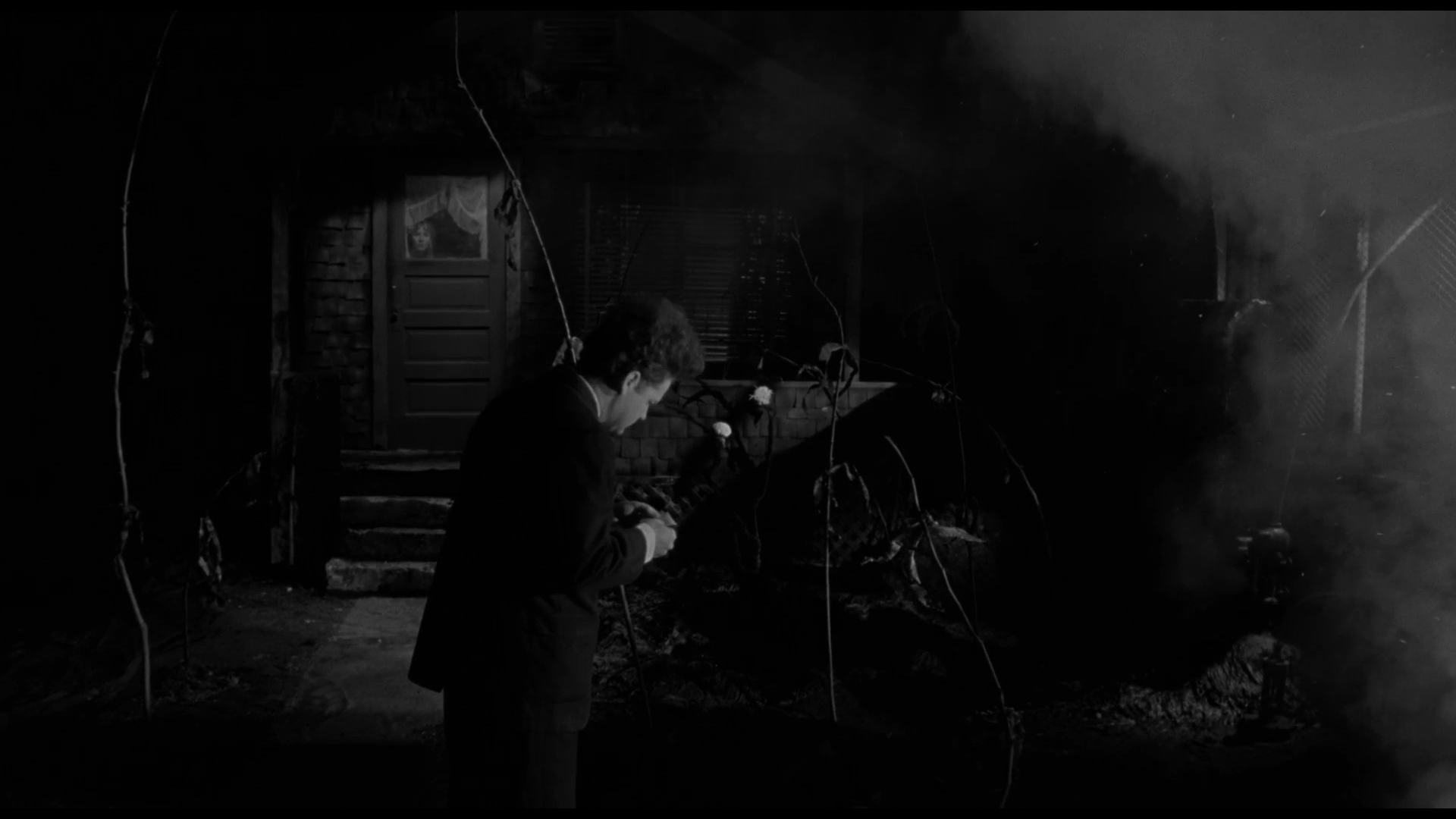
This shot shows a lack of lively nature, just wilted flowers in Mary's garden.
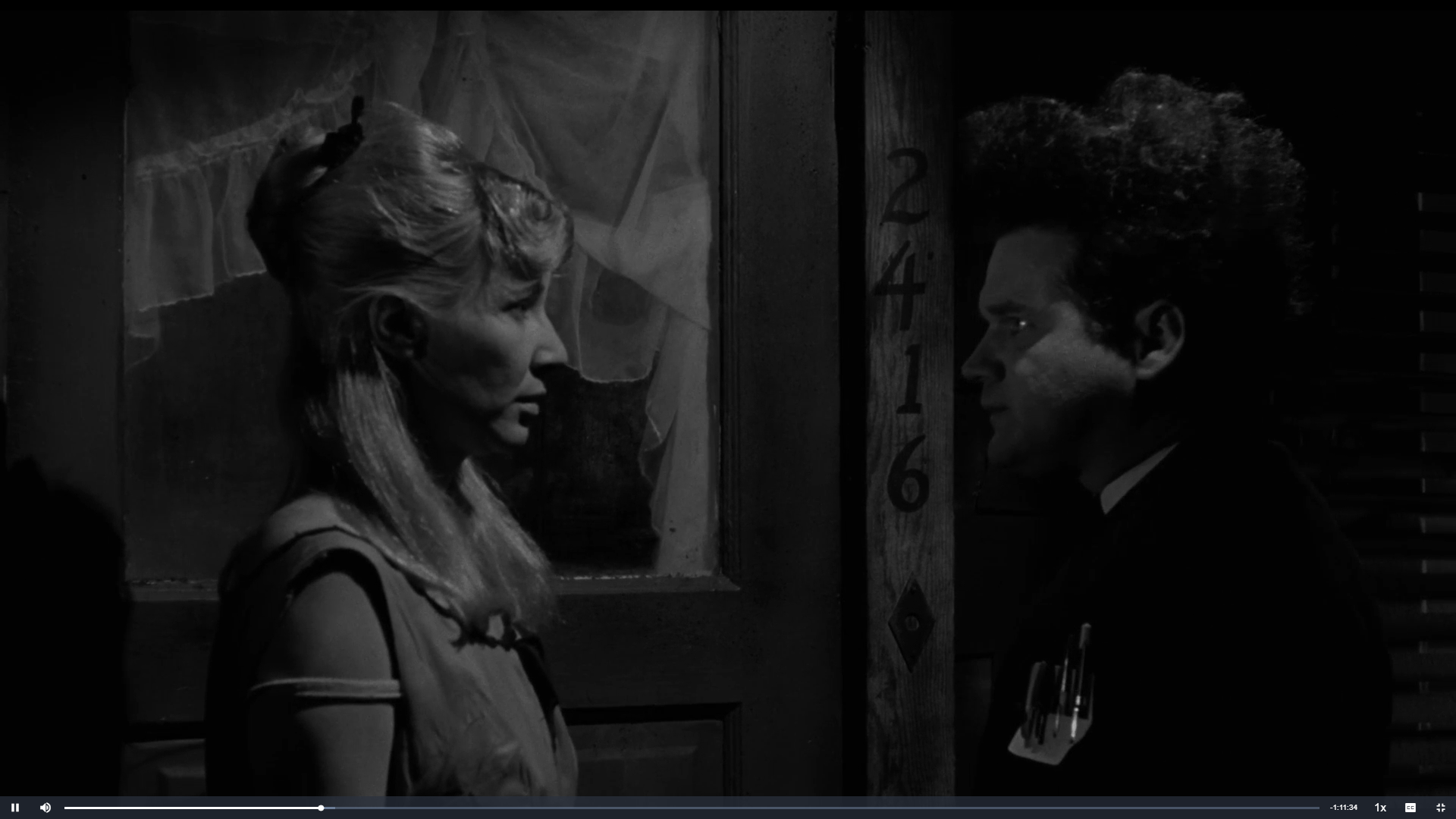
In this shot, Henry seems hesitant and unsure, and Mary is shy and concerned. (First typographic element-address next to door)
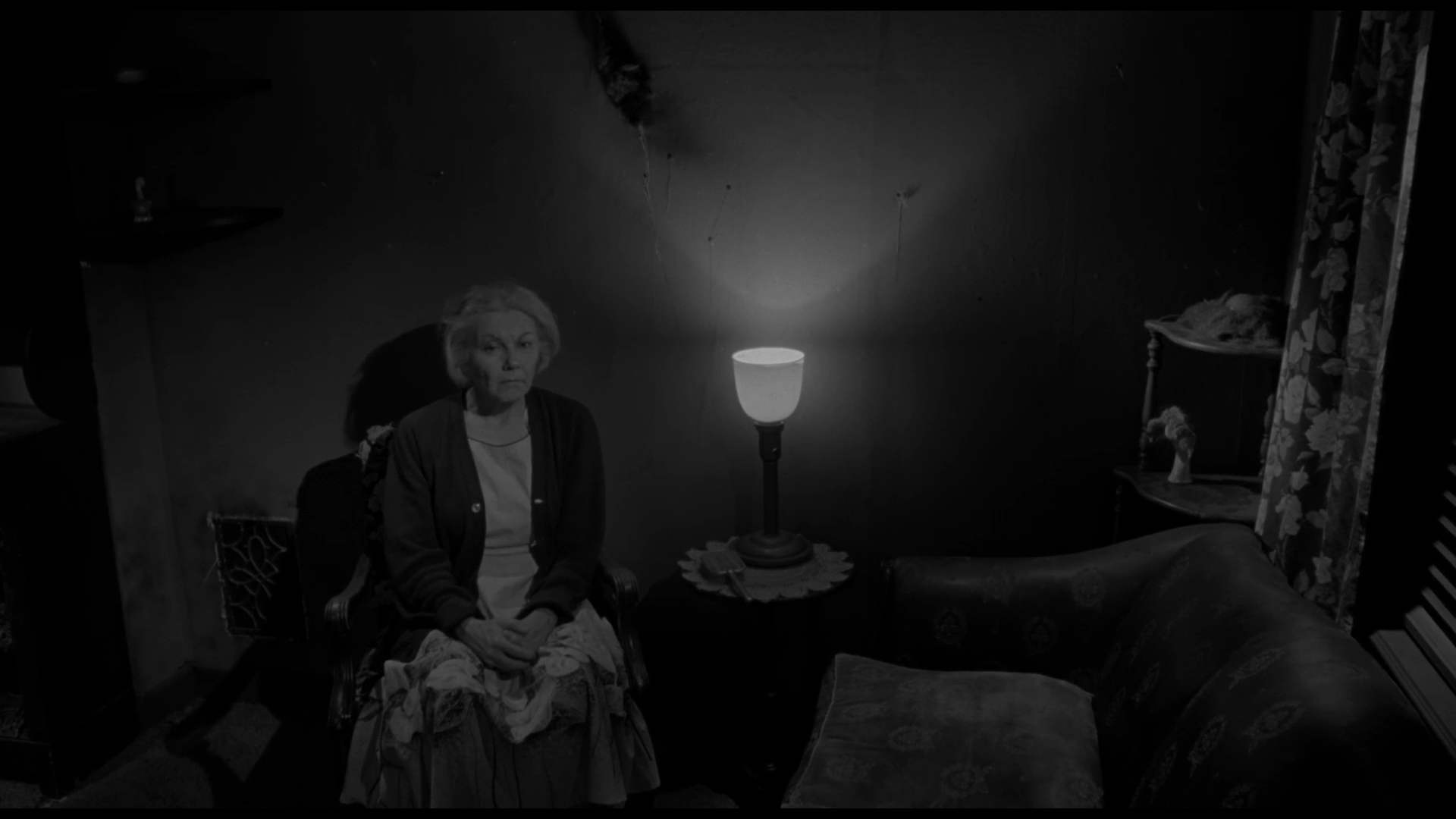
Mary's stern mother. Intense shadows, textured wall.

Mary's talkative father. Intense shadow, patterned wall.

This is the scene in which Henry is sat down with Mary's family at the dinner table. Mary's father insists Henry carves a chicken and places one on Henry's plate. Henry then pierces the chicken with a fork, and the chicken begins to squirm and bleed. Mary's mother then starts making weird noises. This scene can be interpreted as the act of sex-the chicken a virgin and the blood as the result of a broken hymen. The mother then leaves the room and Mary rushes after her, crying. The father stares at Henry with a smile. Mary pokes her head through the door and tells Henry her mother wants to talk to him.
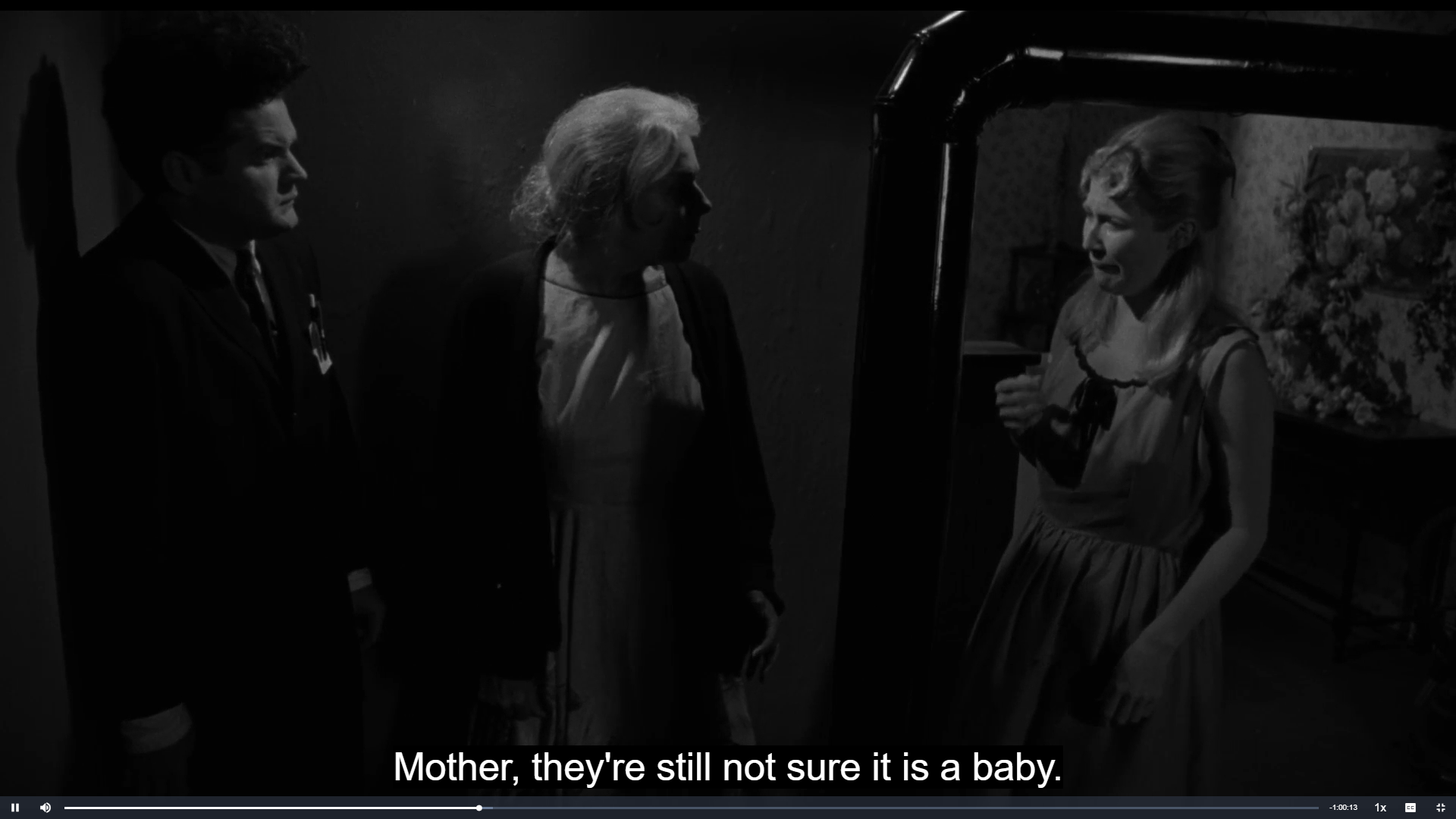
Here Mary's mother confronts Henry and asks him if he and Mary had sex. She then tells him Mary had a baby prematurely and it's at the hospital. She insists they get married.

We then see Mary trying to feed her difficult, inhuman baby who refuses to eat and keeps crying in Henry's apartment. Then we are presented with a close-up shot of the baby which looks lizard or alien-like.
We can see Henry attempt a sexual advance on Mary which she refuses, while their baby keeps crying in the background. She seems resentful towards Henry due to their situation, becomes hysterical, and leaves.

The next day, Henry tries leaving his apartment, but the baby starts crying louder as he gets closer to the door. He turns around, sees his baby is sick, and we can see the inhuman baby has developed boils on its skin (texture) and has difficulty breathing.

Henry experiences his first vision of the Lady in the Radiator. This shot shows a new pattern on the floor.
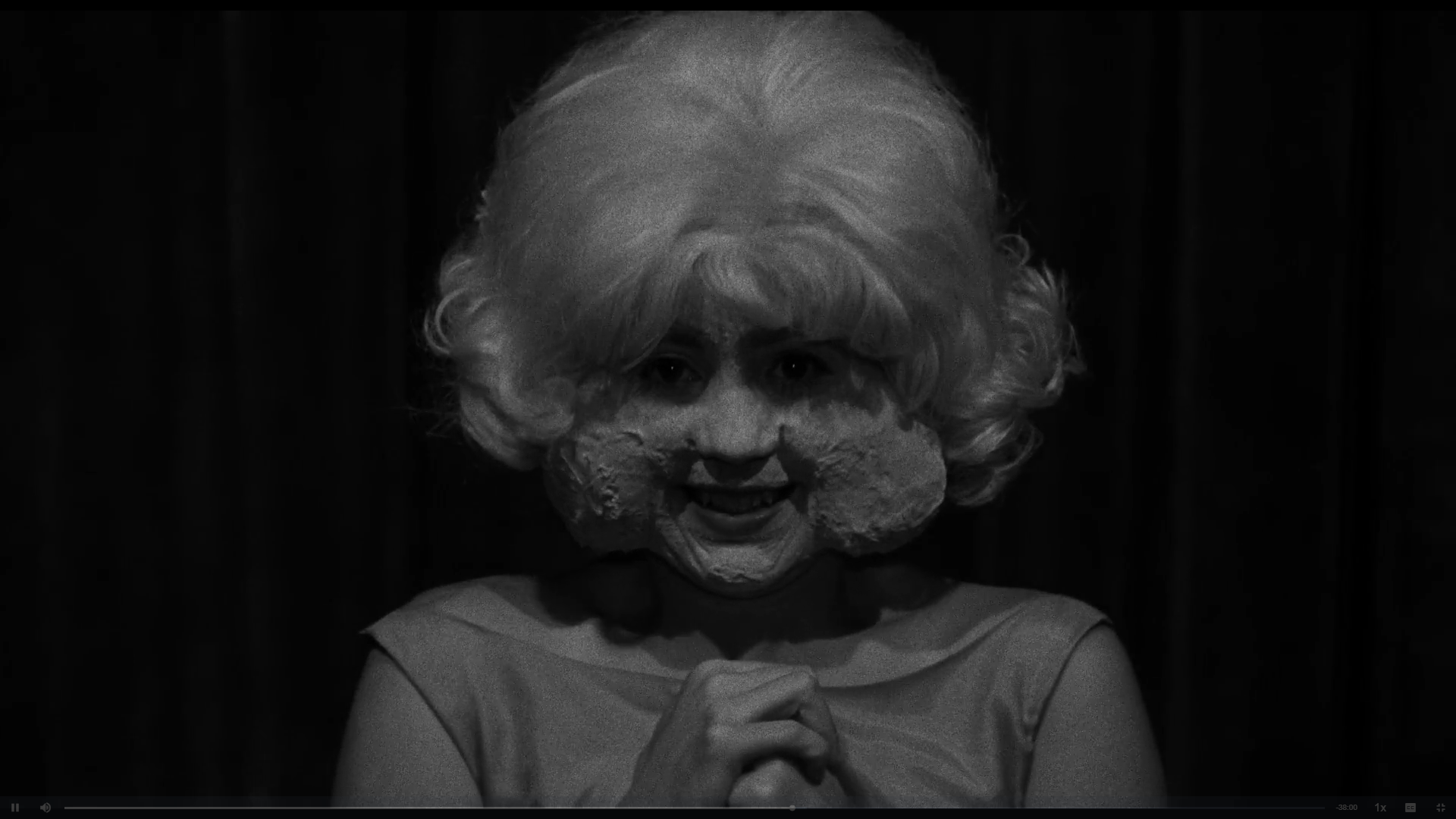
The Lady in the Radiator herself has facial deformities and textured skin.

During her dance, spermatozoon creatures begin falling onto the stage floor. She looks at them, smiles, and starts stomping on a few of them, causing them to ooze a white substance. This -could- be interpreted as the act of abortion. She is a figure that seems to bring Henry some sort of peace.
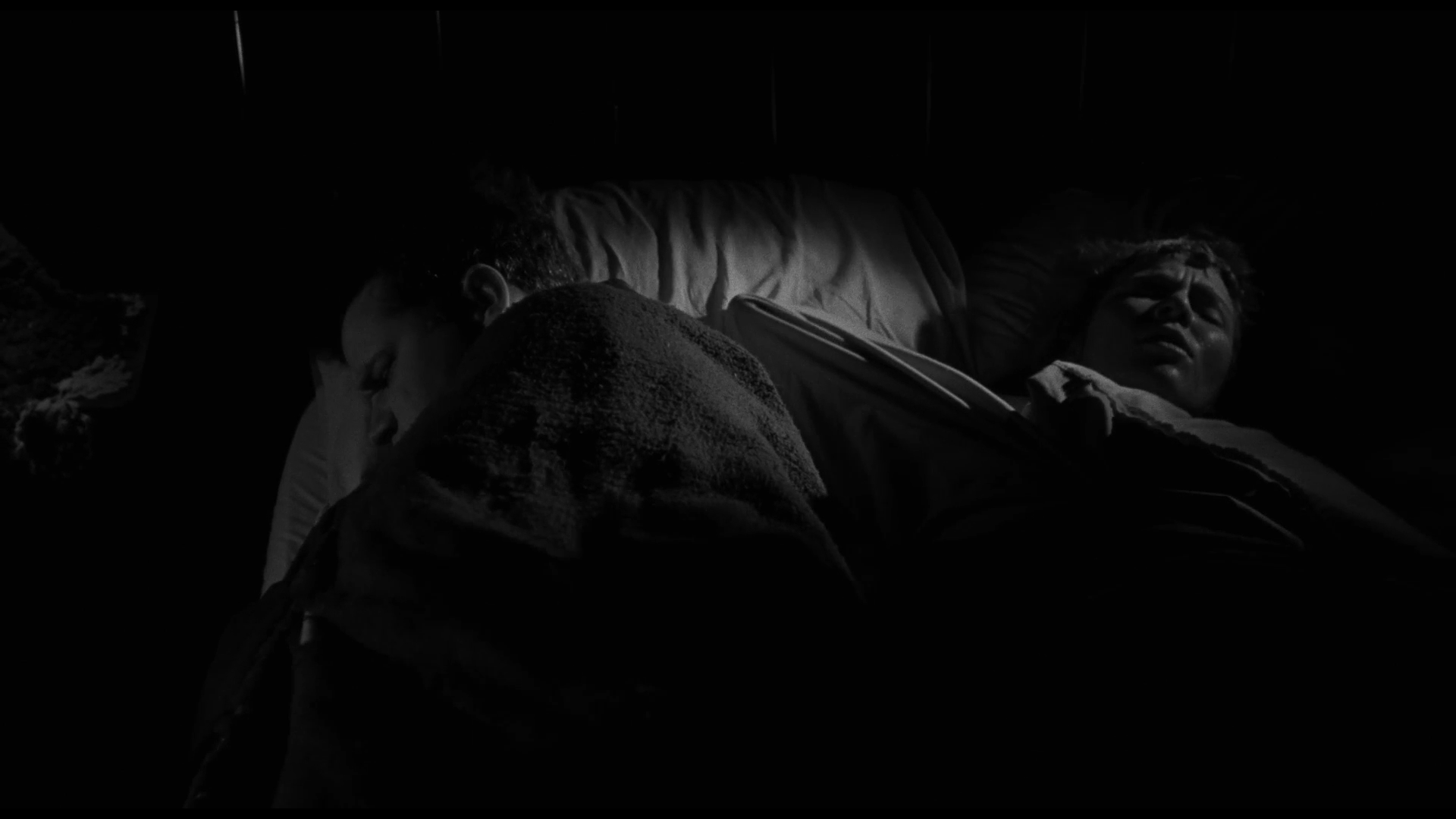
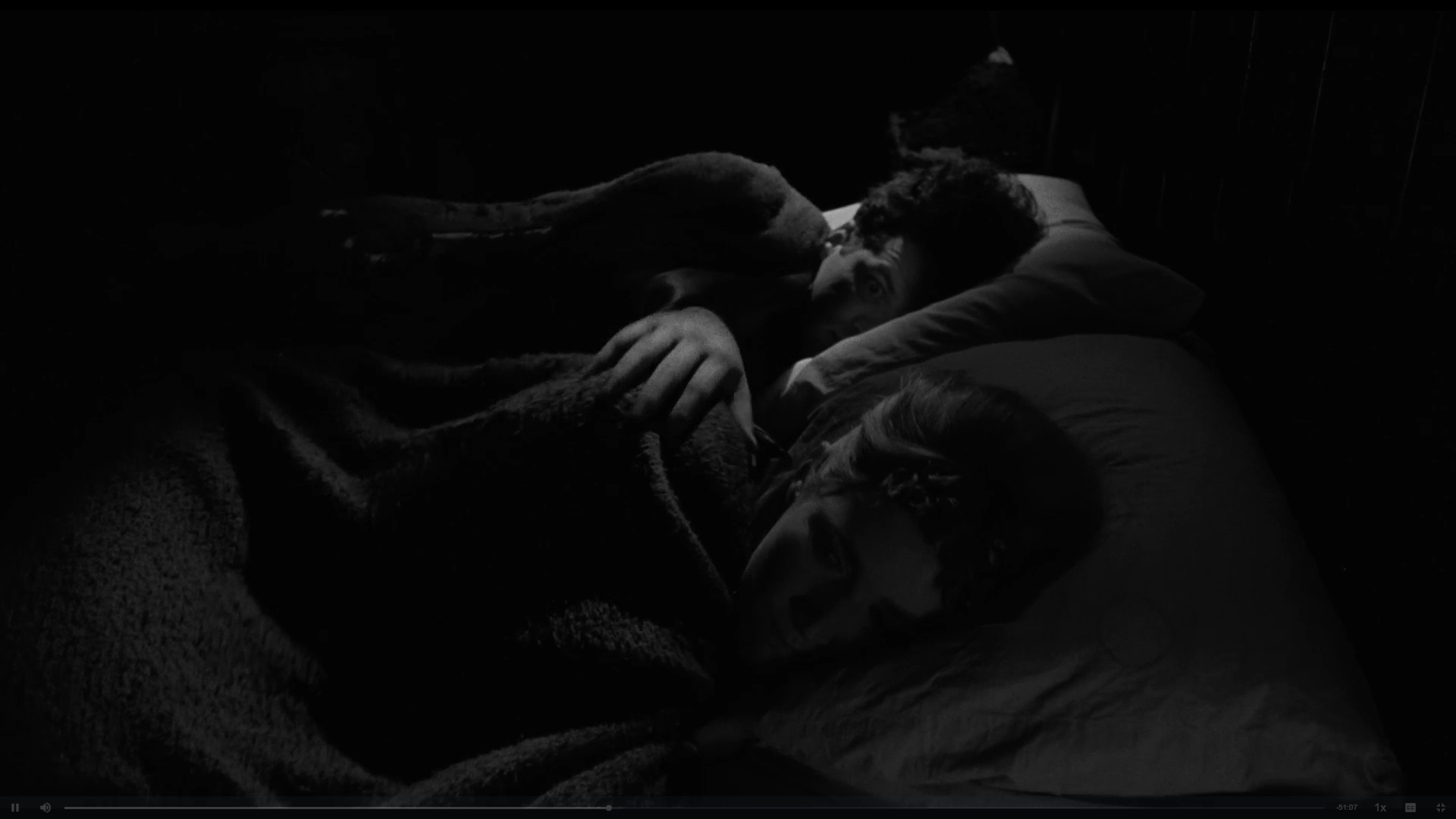
Here Henry is shown in bed with Mary, who is chattering her teeth and moving around in her sleep. The Lady in the Radiator vision could also be interpreted as a wet dream. Henry finds the same spermatozoon creatures the Lady in the Radiator stomped on in his vision/dream present in his bed. He freaks out and throws them against the wall, which causes them to burst.
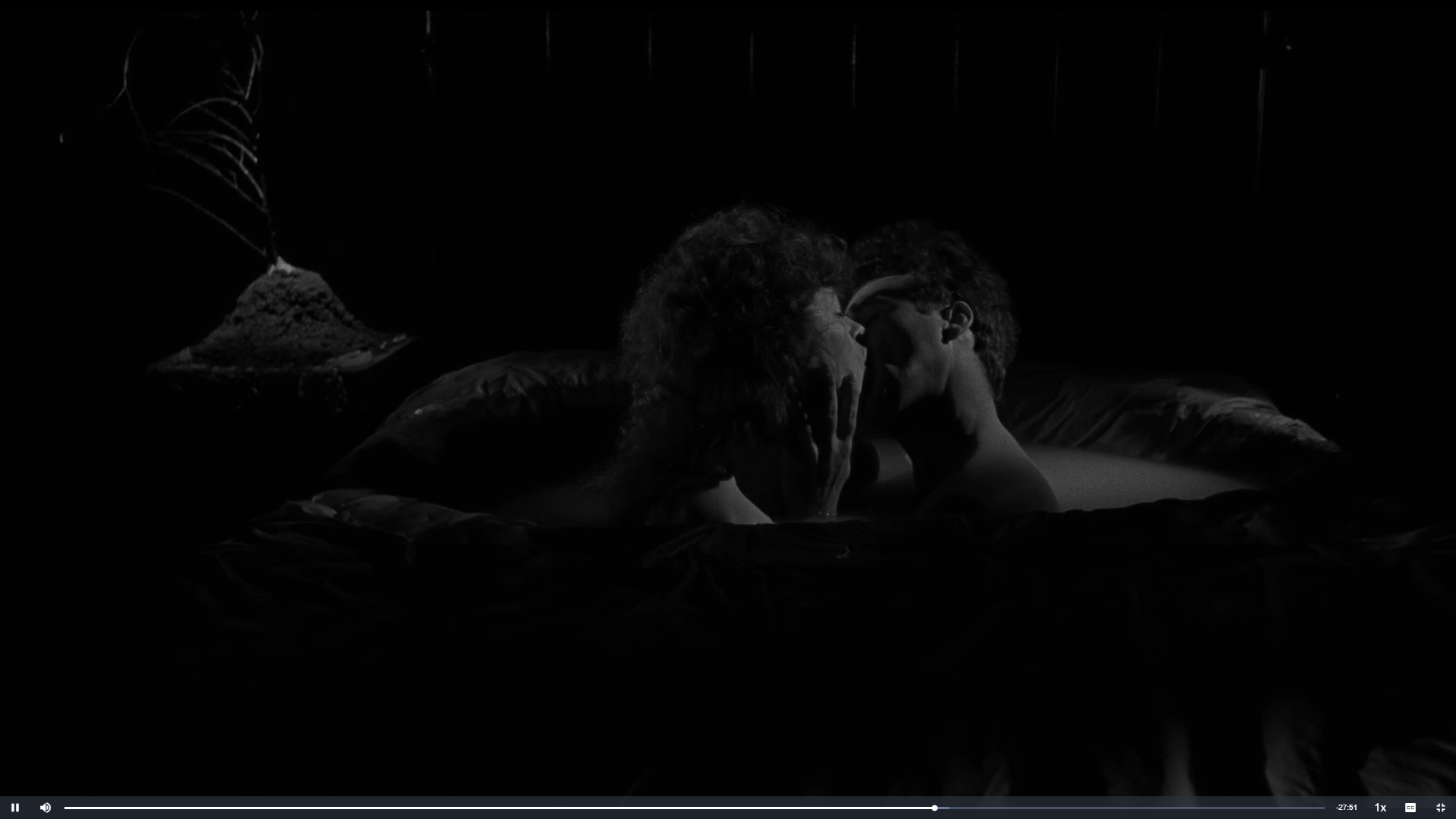
Henry has an affair with his next-door neighbor while his baby cries in the background. They appear in a pool filled with murky water. They then sink into it, to the point only the woman's hair is visible.

Henry's visions become darker. In this particular scene, the Lady in the Radiator sings her memorable song, "In Heaven (Everything is Fine). She reaches out her hands to him, and when he touches her, the lighting and sound begin to crescendo. (This can be translated as a "heaven").

The Lady in the Radiator disappears, and we see the Man in the Planet, who appears angry. (Texture/boils on skin.)

Henry becomes nervous and looks as if he's on trial. (Focus on composition/darkeness of scene+patterned floor.)
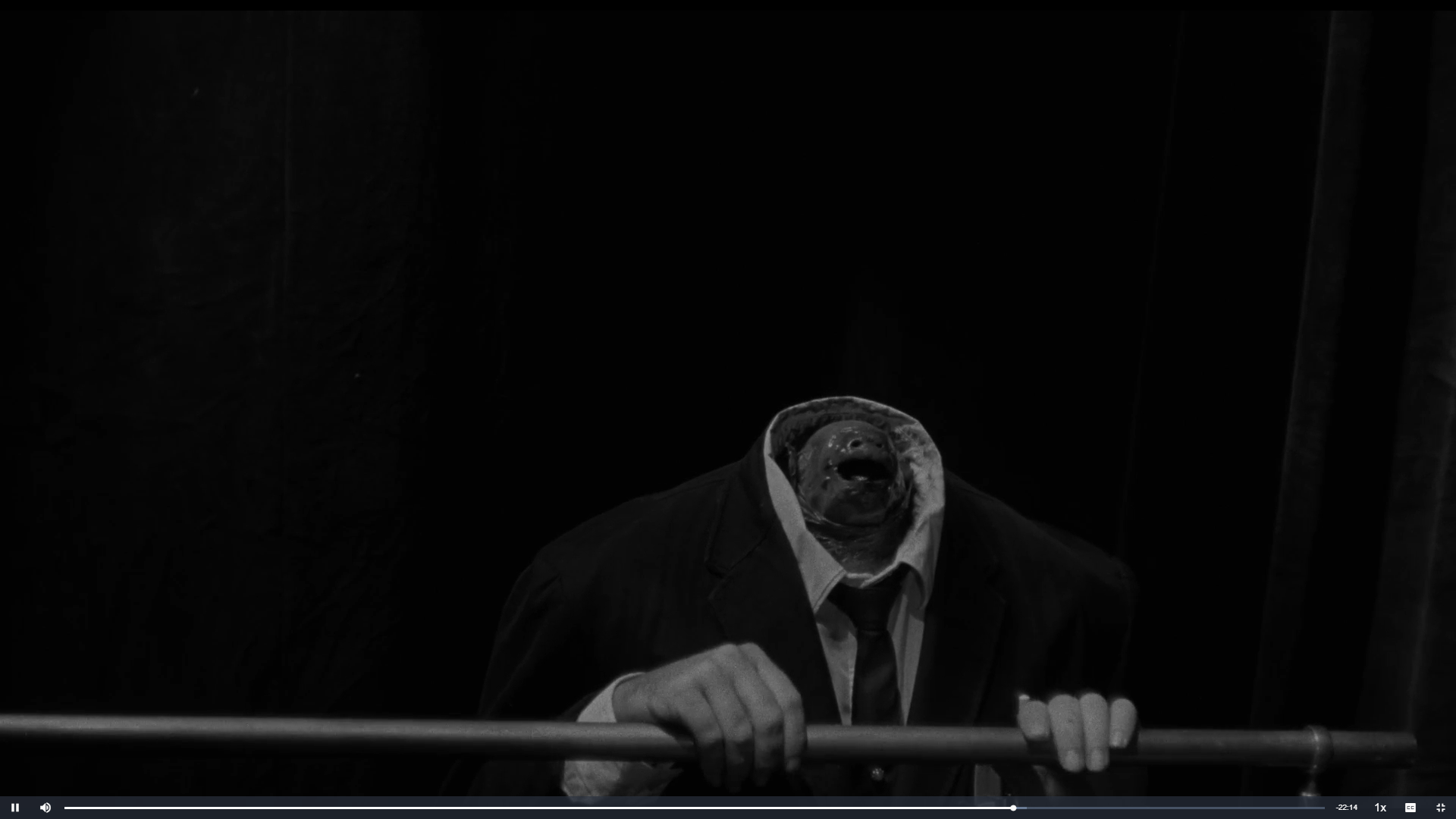
A phallus-like object pops Henry's head off from the inside, and an alien-like creature that resembles his son emerges from the cavity.
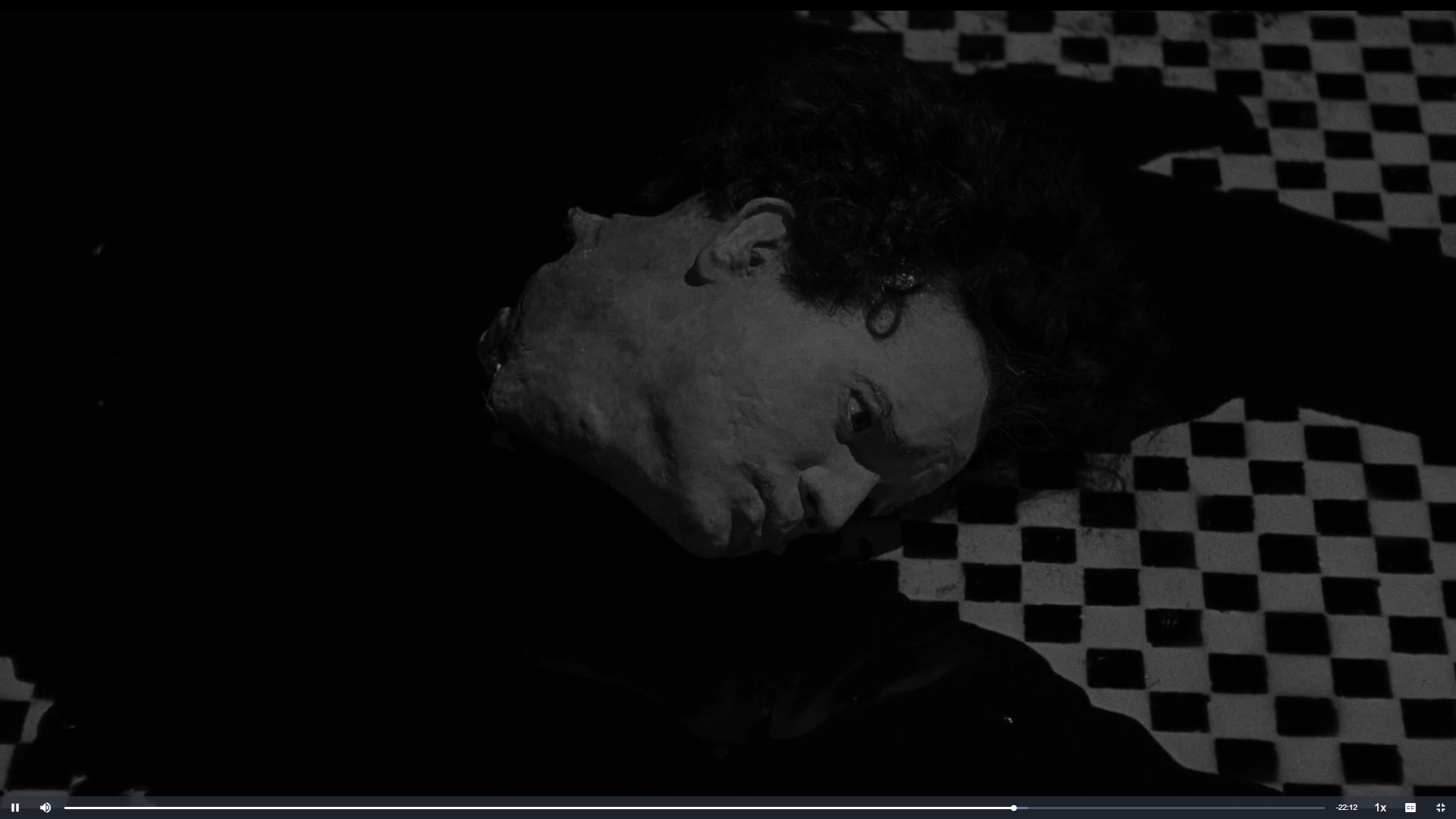
His head falls onto the blood covered, checkered floor.

Henry's head sinks into the blood and descends from the sky into another setting (gritty, dirty texture).

A boy runs up to and grabs the head from the ground and takes it to a pencil factory where Henry's head is used for pencil erasers.
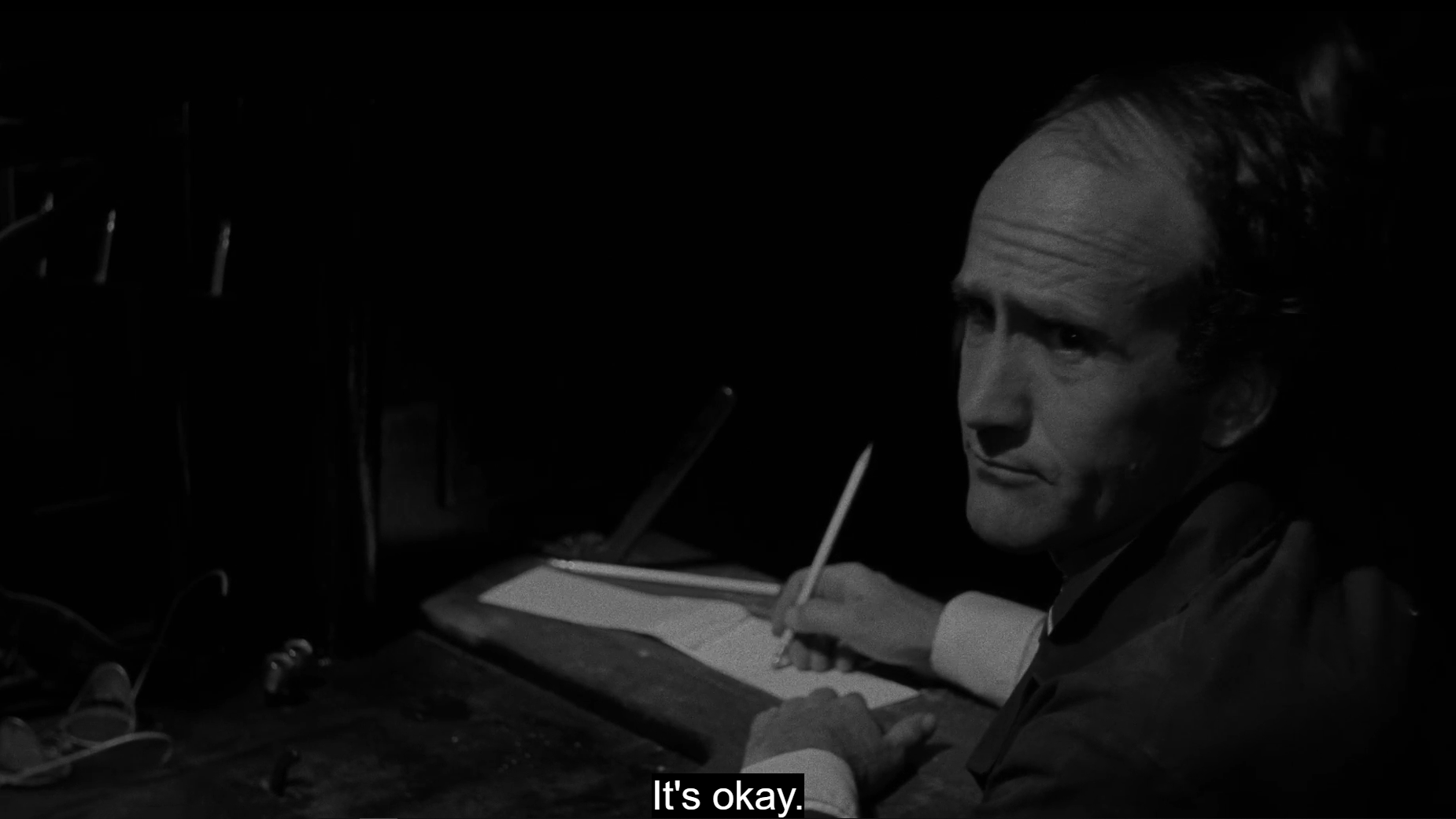
The man making the erasers makes a mark on the paper, erases it, and swept the eraser shavings off his desk.

Eraser shavings (texture)
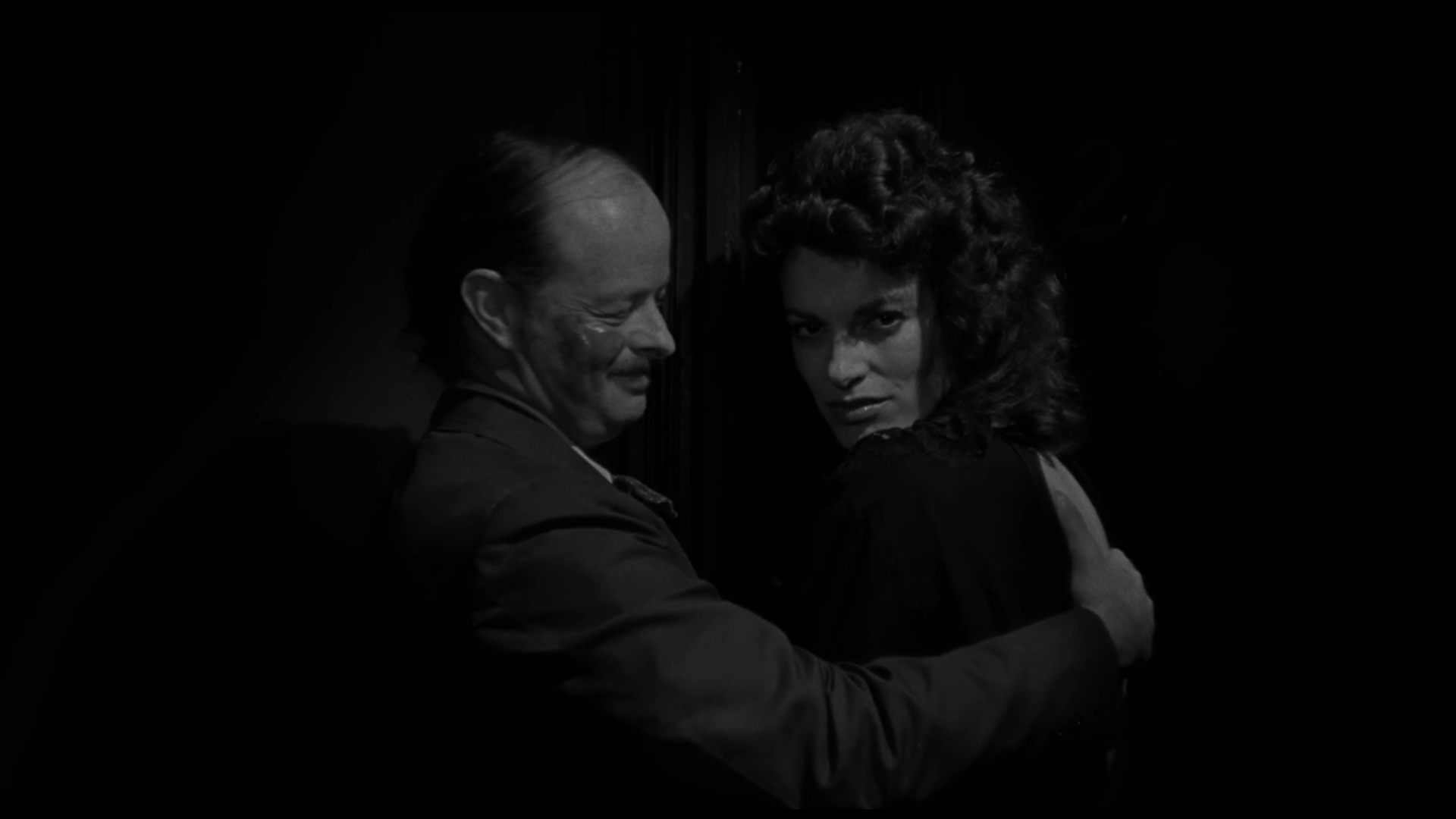
Henry then is shown back in his bed, head fully attached. The baby starts crying, and he rushes to the door which he opens. He sees his next-door neighbor with another man. He gets visually disturbed. At one point the shots alternate between him and his neighbor. This scene is fascinating to me because it seems like she took full advantage of him in a sense. She knew he's married and most likely doesn't share her promiscuous nature. He thought of their affair as something more but realized it meant nothing upon seeing her with another man.

There is one instance in which she sees him with his baby's head instead of him, which can be interpreted as she sees him as a child. He soon after rushes back to his apartment, hurt.
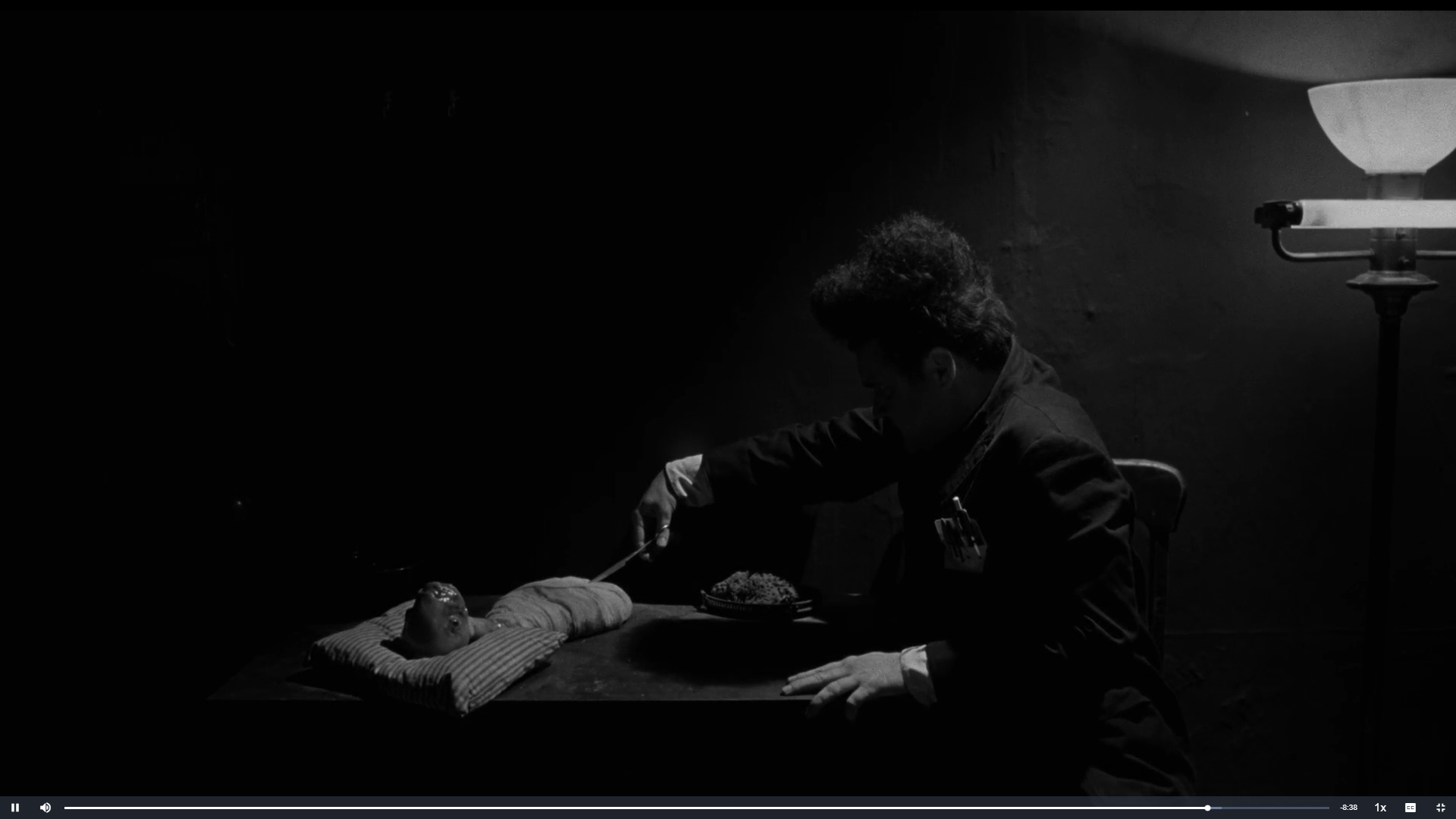
He looks at his baby, grabs a pair of scissors, and cuts its cloth open (which held all its insides in altogether).

He stabs the baby's insides, causing them to ooze a white substance (similar to the one of the spermatozoon earlier)
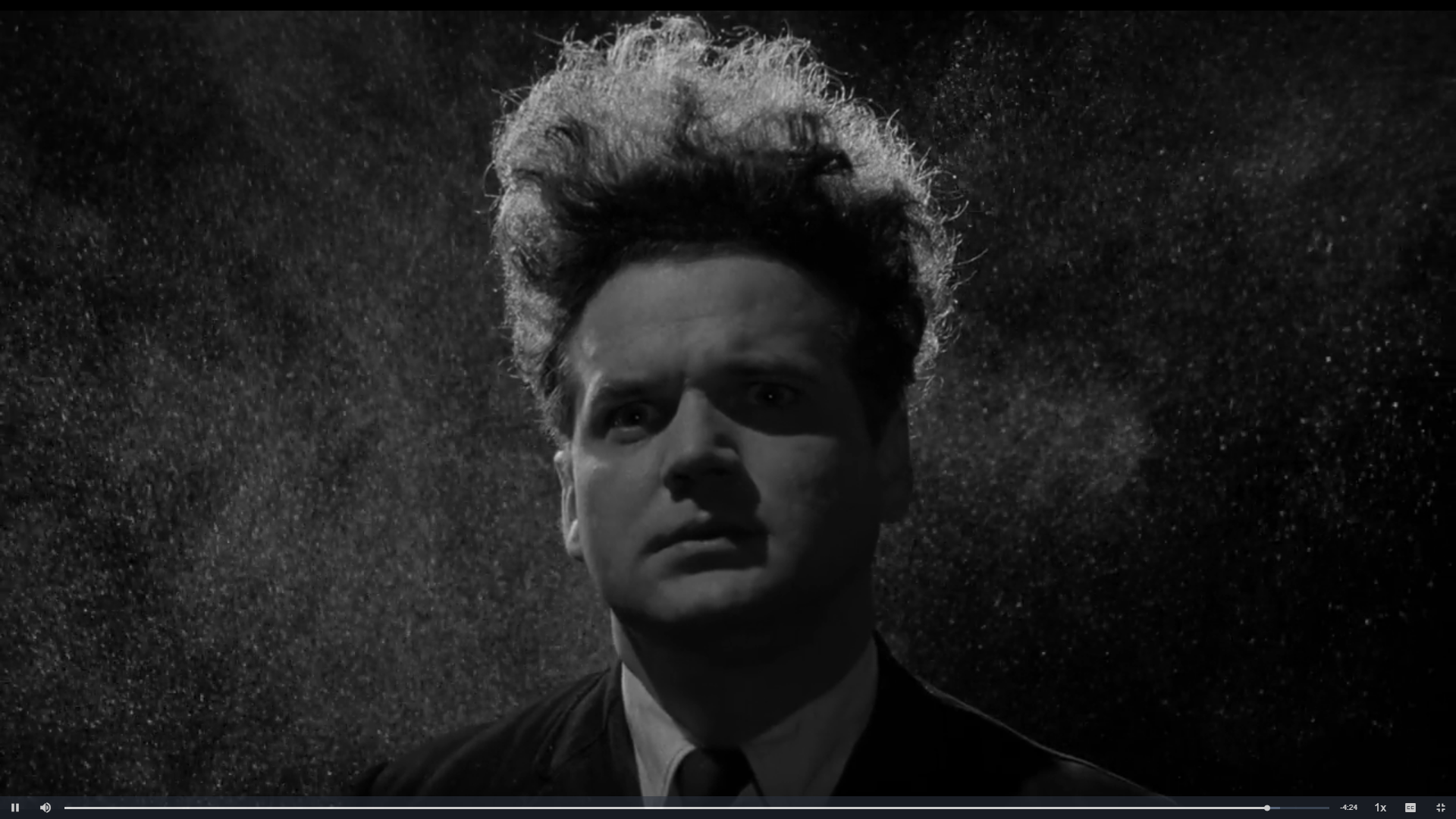
The baby then grows into large proportions and the lights keep flickering. Henry appears terrified. Then we see a shot of him, well-lit, amidst a cloud of eraser shavings.

This shot is similar to the one at the beginning (possibly signifying birth), however, this one might be signifying death.

Here we see the Man on the Planet struggle with his levers.
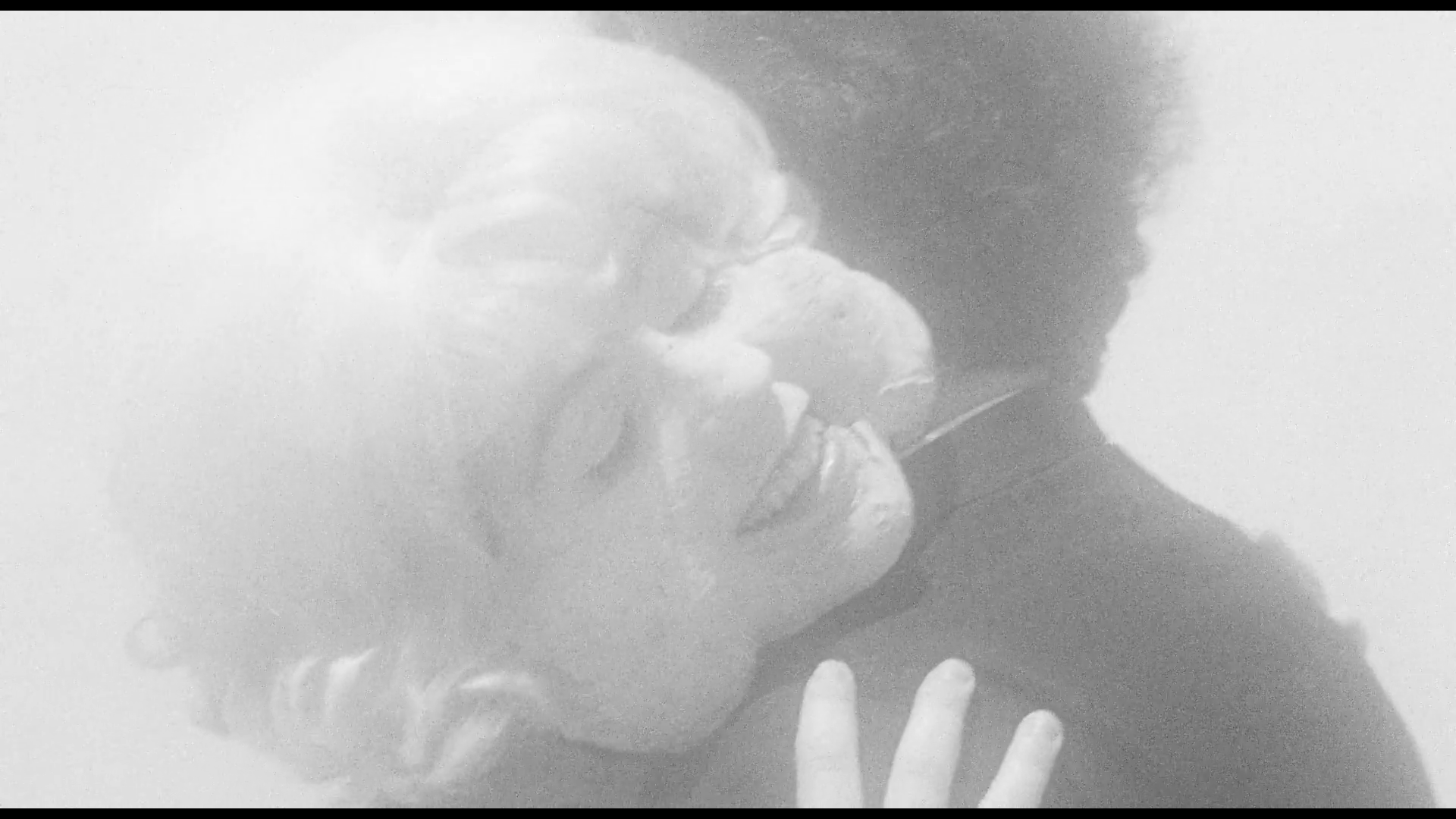
In the end, Henry is reunited with the Lady in the Radiator, and the sound and lights crescendo. This could mean Henry is in heaven she sang about earlier.
Eraserhead is an experimental horror film by David Lynch. The movie appears to revolve around the fear and anxiety of becoming a parent. According to Lynch, however, this is not the direct interpretation; it makes sense to view the movie as a dream that can be interpreted in various ways. The film has a very industrial feel, which is persistent through sound. Upon entering his apartment, Henry’s neighbor, a woman with whom he shares sexual tension with, tells him his girlfriend, Mary, called and invited him over to dinner. That evening he has an awkward and uncomfortable dinner experience, after which Mary’s mother informs him Mary had his child prematurely and insists that they get married. When Henry and Mary move in together, they find it difficult to live with each other amidst constant screaming of their burdensome inhuman child. Henry begins to experience visions. Mary becomes hysterical and leaves. Henry has an affair with his neighbor, and his visions become dark. In the end, he stabs and kills his inhuman child with a pair of scissors.
Visually, the film is black and white with intense contrast. There are many gritty textures and patterns that stand out in Eraserhead, including puddles, dirt, eraser shavings, oozing goo/liquids, and skin deformities. The outdoor settings consist of dreary landscapes made up of train tracks, pipes, buildings and factories that lack signs, and there is no sign of living nature present in the film. The mood is dark and industrial. There are many mechanical sounds that resonate in the background, such as screeching wheels of a train and clanking of gears and grinds. Themes include sex, parenthood, fear, anxiety, loneliness, resentment, infidelity, guilt, birth, and death.
Sex, parenthood, fear, anxiety, loneliness, resentment, infidelity, guilt, birth, and death.
Henry Spencer attempts to live through the gloominess of his industrial wasteland setting, his complicated relationship with his estranged girlfriend, and the incessant cries of his difficult, newly born mutant child.
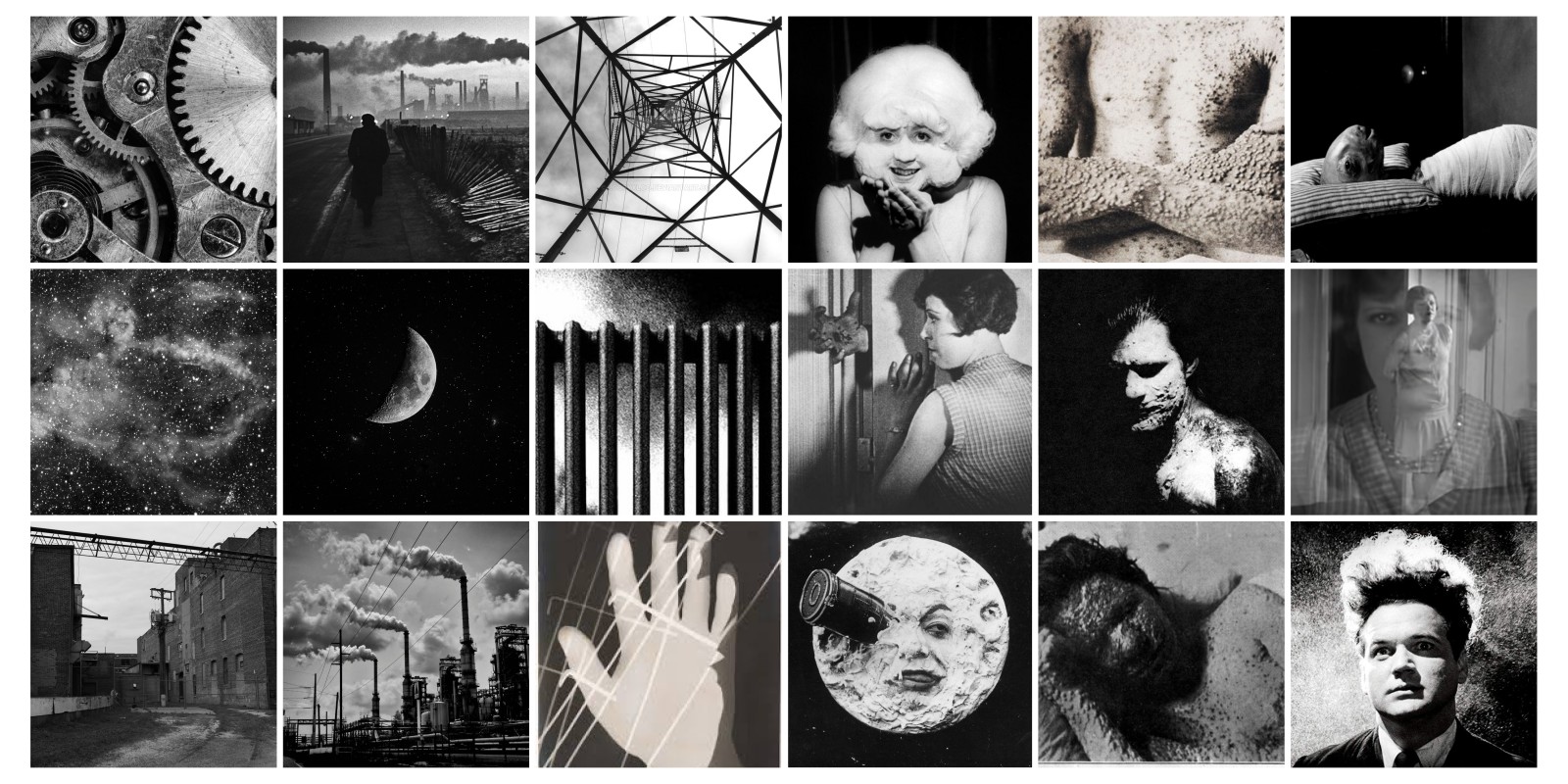
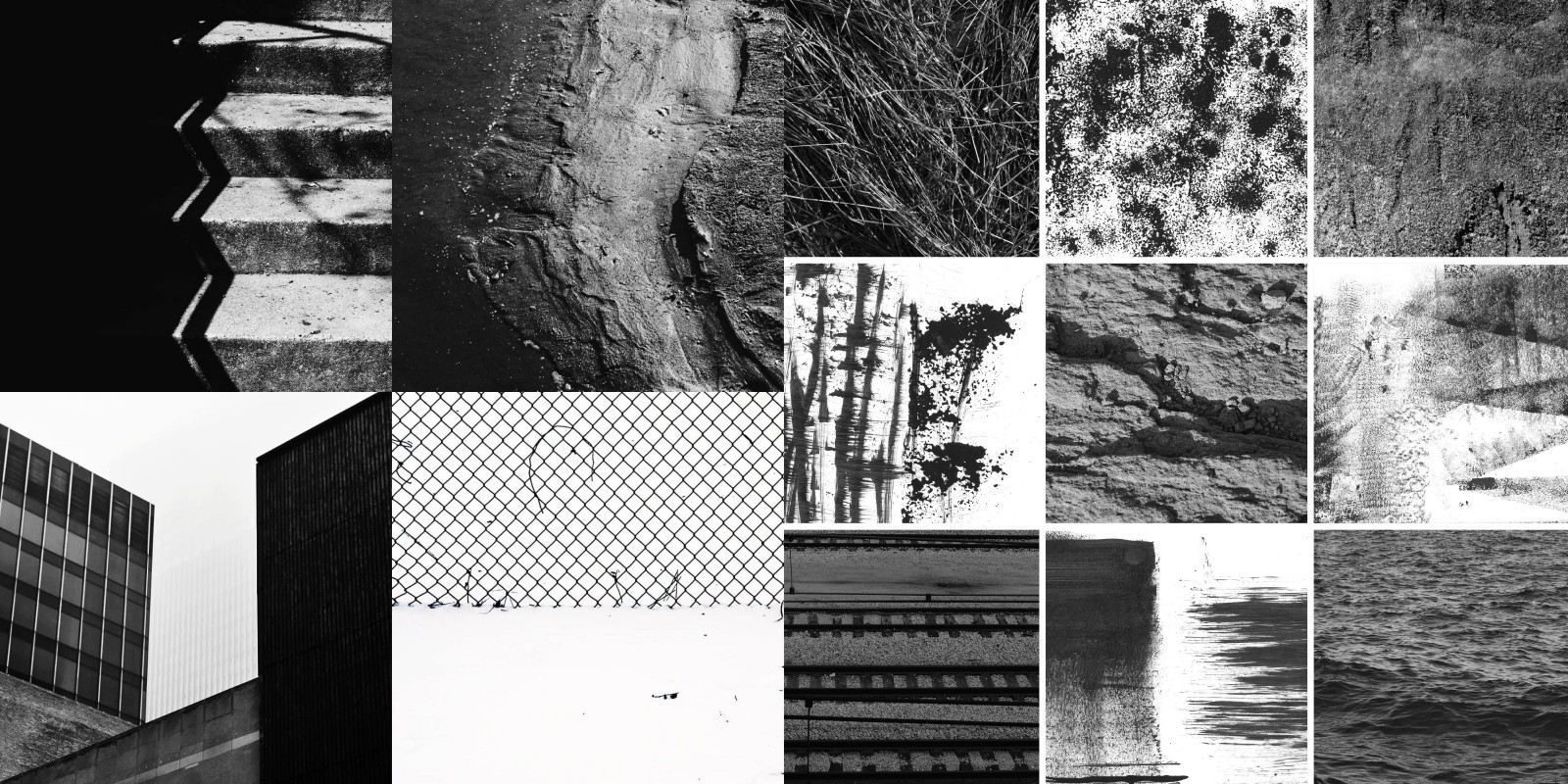
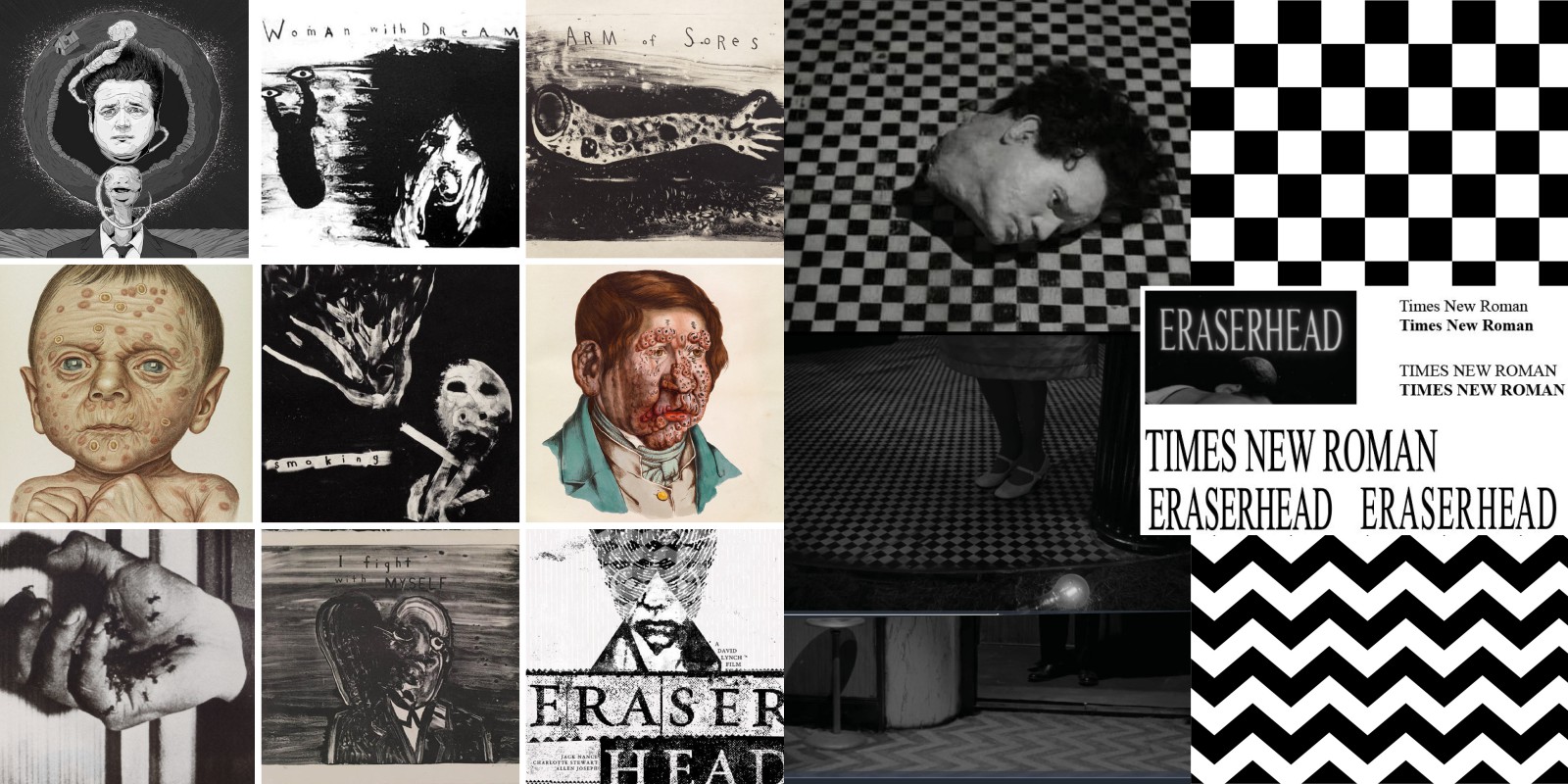
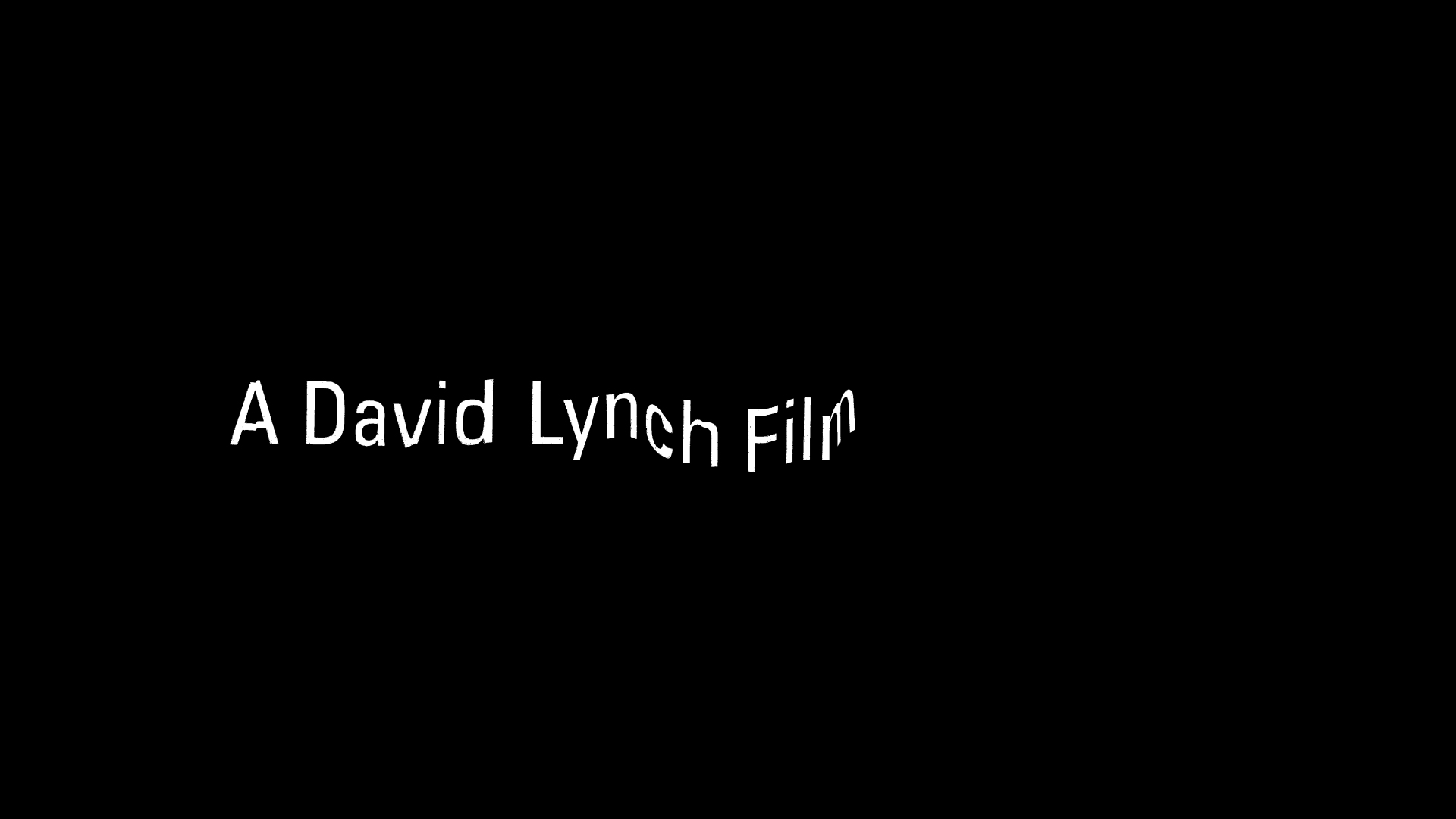
The sequence starts off with distorted text (due to moving piece of paper while scanning over and over)
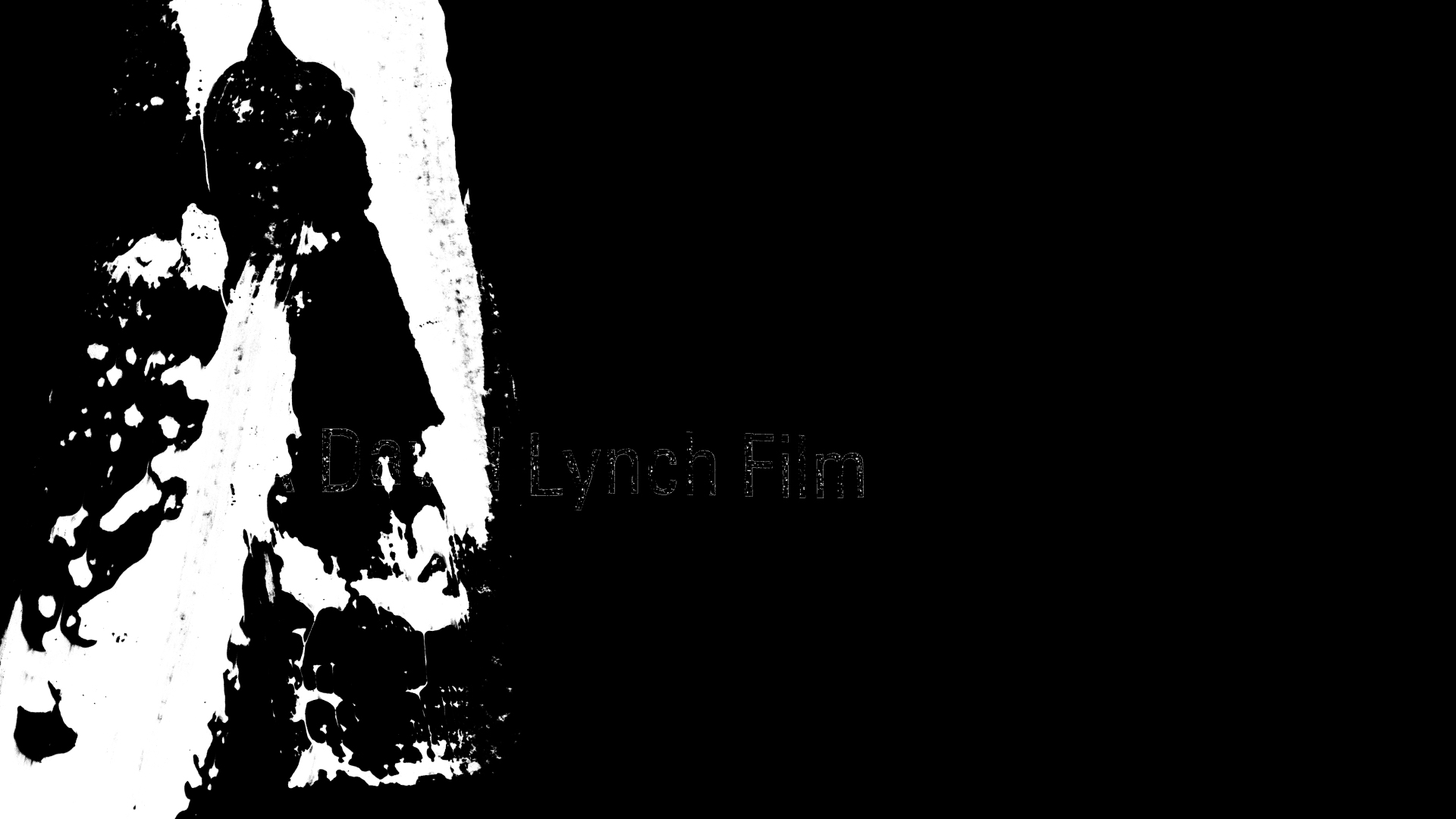
The text is then covered by a stop motion clip of paint,
covering the screen with black paint on white paper, inverted

and then in reverse, uncovers the screen that is now black.

The screen fades from black to white, and particles of "dust" (manipulated) begin uncovering the title
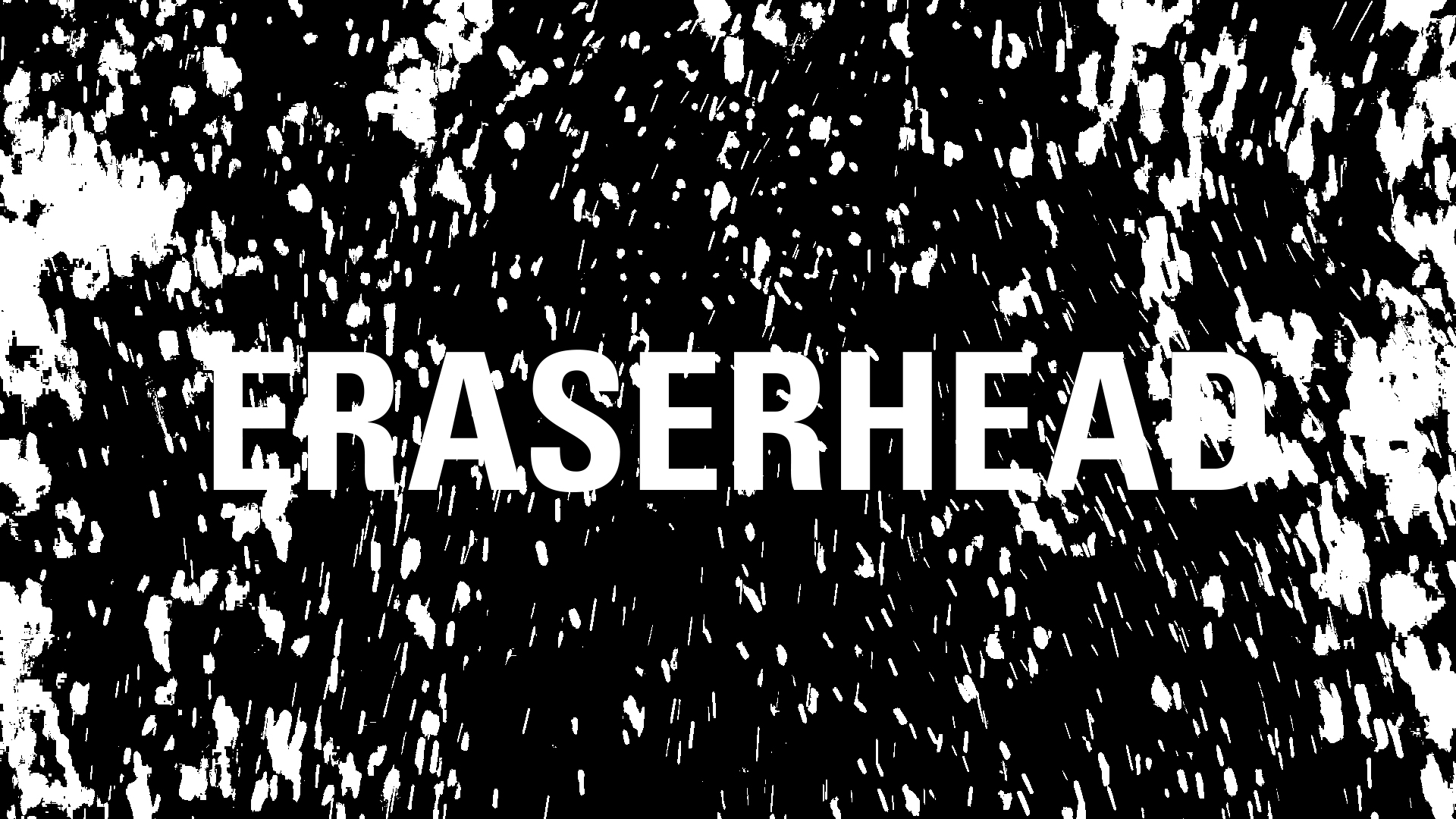
(title)

The clip of the "dust" is inverted, changing the screen back to white.

Similarly distorted text just like the first one appears, only in black on white.

Names begin to appear, with ink flowing over and under text layers


