


From this image, you can see the scale of the buildings on the surface. The middle building that is whiter in comparison drawing attention to it is the main building where Jon works. The impressive architectural curves are also one of the futuristic aspects of the movie.

This picture is of the undergrounds primary machine that the workers fear. In the movie, it explodes killing all that work on it, so the next group come to move the bodies and then get back to work.

This is the same large killing machine in the underground but Fredar hallucinates that it is literally Moloch and it is feeding on the lives of the workers. This goes back to the Christian undertones in this movie that are brought up again with the preacher scene.
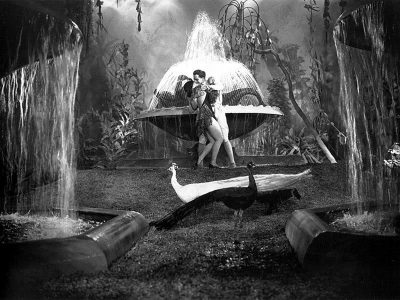
The pleasure gardens are where the men on the surface go to enjoy womanly companionship. It's a brothel but kickstarts the movie and shows how the surface people are to be represented.
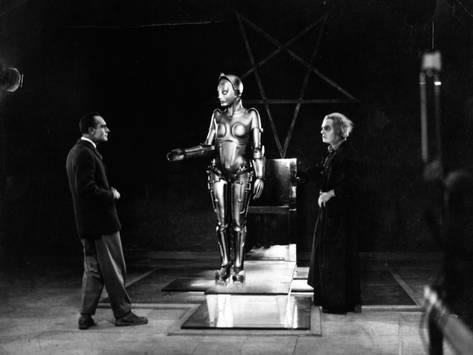
Rotwang created the robot out of grief to have a semblance of his daughter back. But Rotwang is the villain who will ruin the underground later. You can see the star in the background that could be a reference to the evils of Judaism in Germany.

Maria was a preacher for peace and managed to keep the workers from rebelling violently. Notice her white clothing and the sticks behind her are crosses. They are also in the catacombs which are furthering their secrecy.

This is the Maria robot who is trying and succeeding to seduce the men of the surface and further ruin the real Maria's image. The outfit and props are to represent how the robot is the symbolism for the Queen of Babylon to bring on destruction.
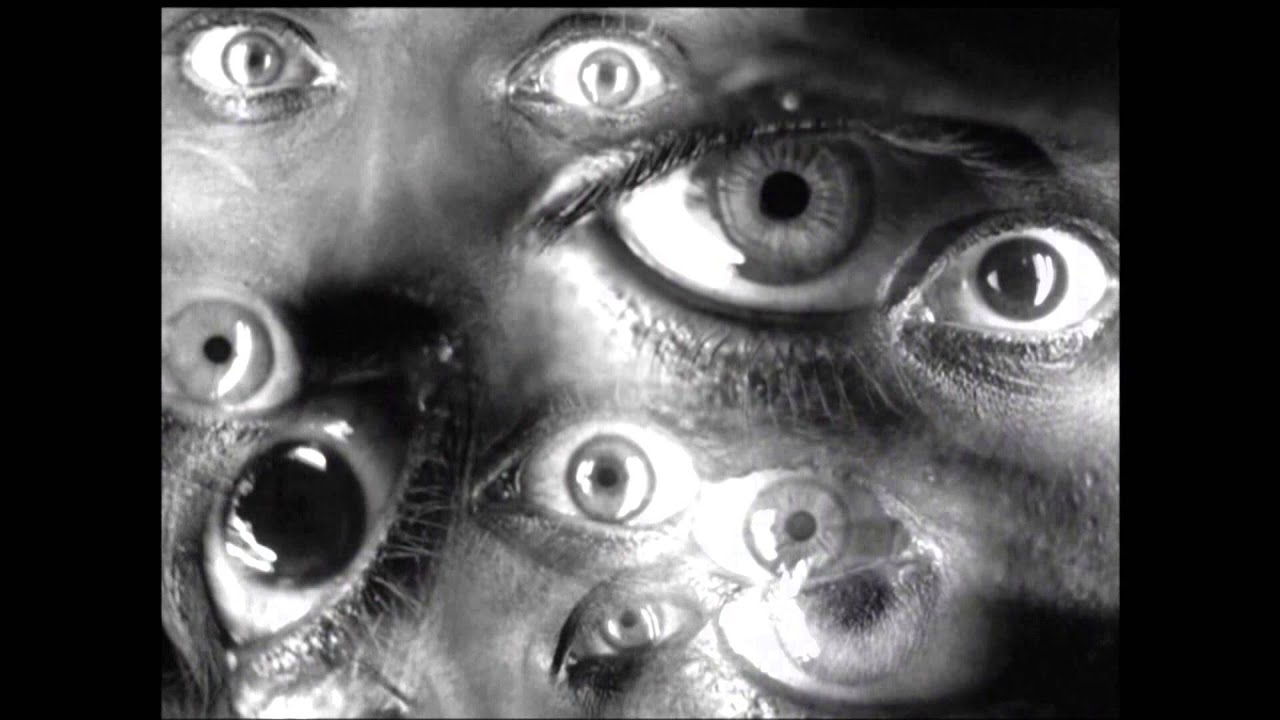
The eyes are to represent the men's lust and fascination with the robot Marias seductive dance. Some of the men kill each other to get close to her and chaos breaks out.

When the underground floods only the children are left to reap the wrongs of their parents. The mood of this scene is desperate as there seems to be no way to save these children from drowning a horrible death while their parents have no idea it's happening.
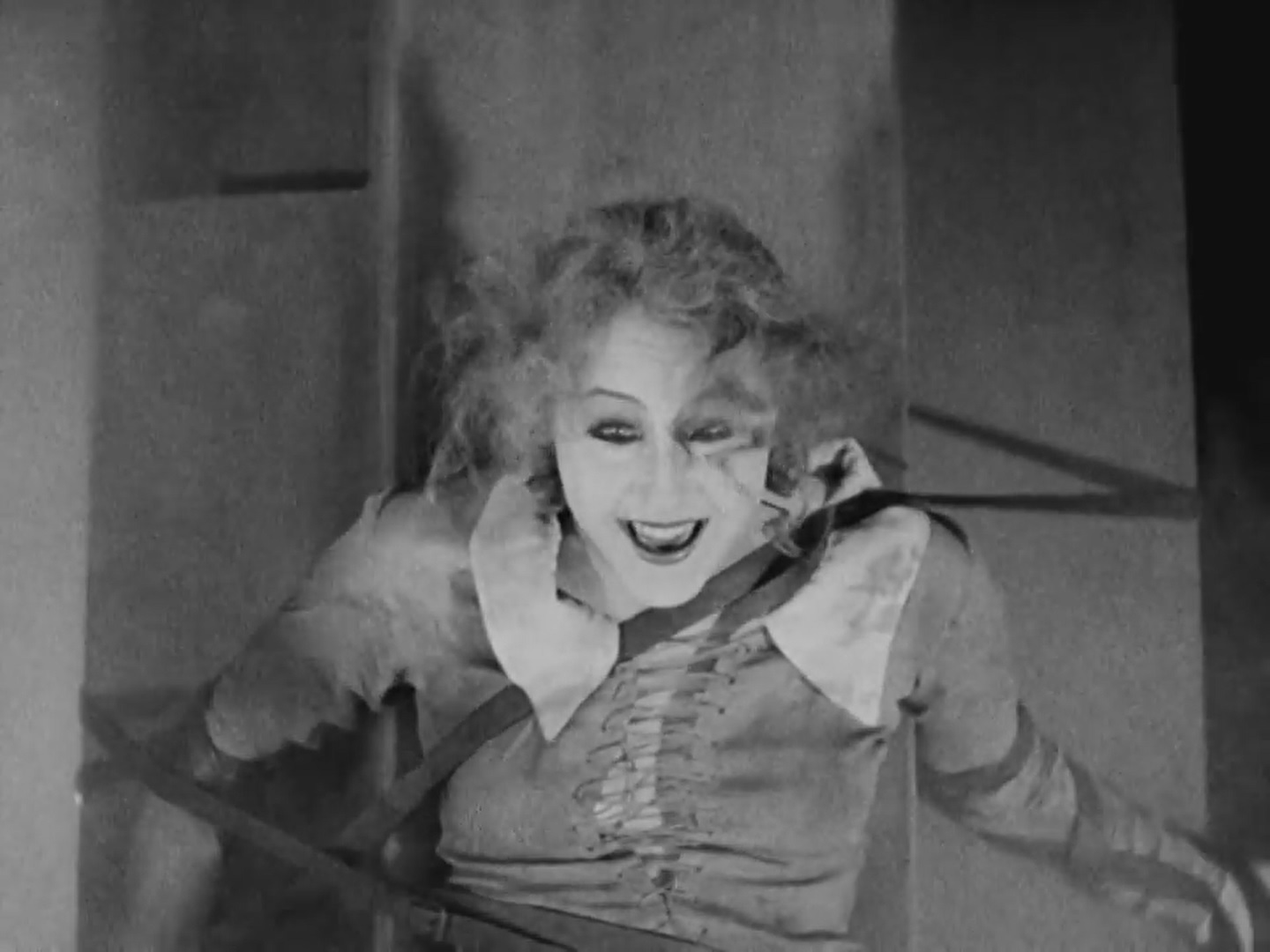
When Robot Maria is caught she is burned at the stake for trying to drown the children, and it feels very out of place since its the 20th century, but maybe it just shows how passionate humans are.

This scene is the connection of the hands(workers) and the head(surface) by the mediator who is the heart. This is to represent a change for the workers so that they may finally have a fair life.
Metropolis is a classic German movie from 1927 that was revolutionary for science fiction in film. It is often considered the most impressive science fiction movie of its time and was known for its true message on its views on capitalism vs. socialism. It is so old that it is missing a few scenes and only recently have others been rediscovered. The theme is that wealth is a problematic evil and how labor rights affect a political climate. Meaning that to have good workers rights is essential; otherwise, they may have to take action into their own hands. Although it was famously criticized by HG Wells who completely missed the message and called it a silly unrealistic film. The Narrative structure is the third person with a focus on the main character and the villains. There is not a narrator, and the film is silent with occasional dialogue cards.
The primary sequence of events in the movie begins with underground workers working robotically and melancholy. On the surface, there is a man named Fredar who is the son of the leader of the city. Fredar is at a garden where a woman from the underground arrives along with a bunch of children to show them the surface. So Fredar falls in love and follows the group into the underground to find his love when he witnesses one of the machines explode. Fredar tells his father, Joh, what he saw and Joh fires his right hand, Josaphat for not telling him. Joh then goes to visit a mad scientist named Rotwang who was his father-in-law before his wife died. Rotwang hates Joh and Fredar, and so he is making a robot to imitate his daughter that he misses dearly. Fredar starts to work in the underground and at the end of the day he is lead through the catacombs with the rest of the workers. They arrive at a religious place to discuss what they can do to escape this life. The woman that Fredar fell in love with, Maria, turns out to be preaching peace between the head, which is the surface, and the hands, the underground.
Fredar goes to Maria who recognizes him. They kiss and realize that Fredar can be the mediator, the heart, to connect the head and hands. Unfortunately, Joh convinced Rotwang to show him the catacombs, so they see the whole interaction. Joh tells Rotwang not to create a proxy of his deceased wife but instead one of Maria so that they can ruin the undergrounds image of her. So Rotwang kidnaps Maria and gives the robot her image.
The robot then goes around seducing men and being a combo of all seven sins. As that occurs, a preacher tells Fredar that the ends of times come with the queen of Babylon who will kill this entire city. Robot Maria goes down to the underground and explains to all the workers that they can fight back by destroying the heart machine. Maria escapes Rotwang and runs to the underground and to the center where they all live. Only children are there, but the adults destroy the heart machine which causes the underground to flood but more specifically the living area where all the children were left. Fredar and Josaphat find their way down to the bell and help Maria rescue the children.
Meanwhile, the head worker yells at the others and tells them that all of their children are dead because the underground is now flooding. Jon wanted this so that he could break down the workers even more to control them. All the workers blame Maria and go to the surface to find her. The workers find the robot and burn it at the stake. Fredar and Josaphat explain that the children are alive, but Rotwang sees the real Maria and chases her to the roof of a building. Fredar joins them and battles Rotwang until he pushes him off the side of the building. Finally, Fredar can be the mediator who is the heart that connects the hands to the head.
The tone of the movie is very dramatic with only splashes of hope throughout the picture. Since this movie is black and white, there are a lot of majorly gray scenes. The gray helps show the bleakness of some of the situations that are thrust upon the characters. The style of the movie is dystopian which is popular in today's age while in the earlier year utopian societies were more popular. The film takes place in a fictional society in the town of Metropolis. The underground is dark and dirty during the movie. The ceilings are high, but in the catacombs the walls are close together, giving it a more claustrophobic feel. The architecture of the surface buildings does not seem that extreme for a dystopian movie. The buildings are just large with large windows on the top floors. As in, not only are they wide but extremely tall. The main building has some unique architecture with outwardly curving points but in simple terms does not seem very futuristic.
While the movie is highly praised today for its political context, it was ridiculed when it first came out and was very unpopular. The film also has some light Nazi propaganda, such as the villain Rotwang who had stars decorating his house to represent Judaism. With that being said the movie is still on the top 100 silent films list and has a 99% on Rotten Tomatoes.
Five words: Machine, Surface, Workers, Mediator, Deceit,
Thesis Statement: Workers who are unfairly forced to work on dangerous machines must get a mediator to talk to the surface and avoid deceitful tricks.
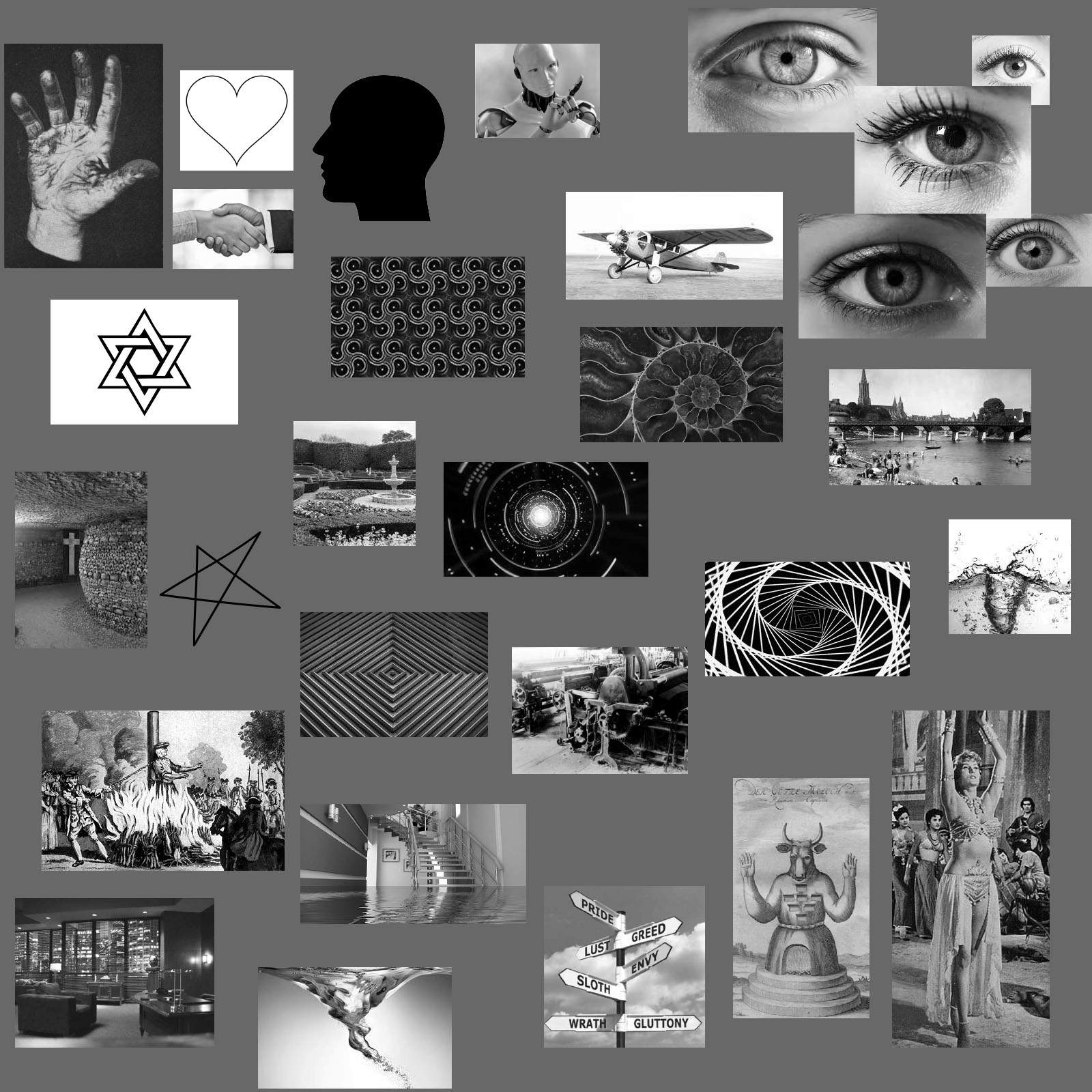
A mood board that can represent the entirety of the film. It's black and white to pay homage to the original movie and has concepts from all the major points in the film.
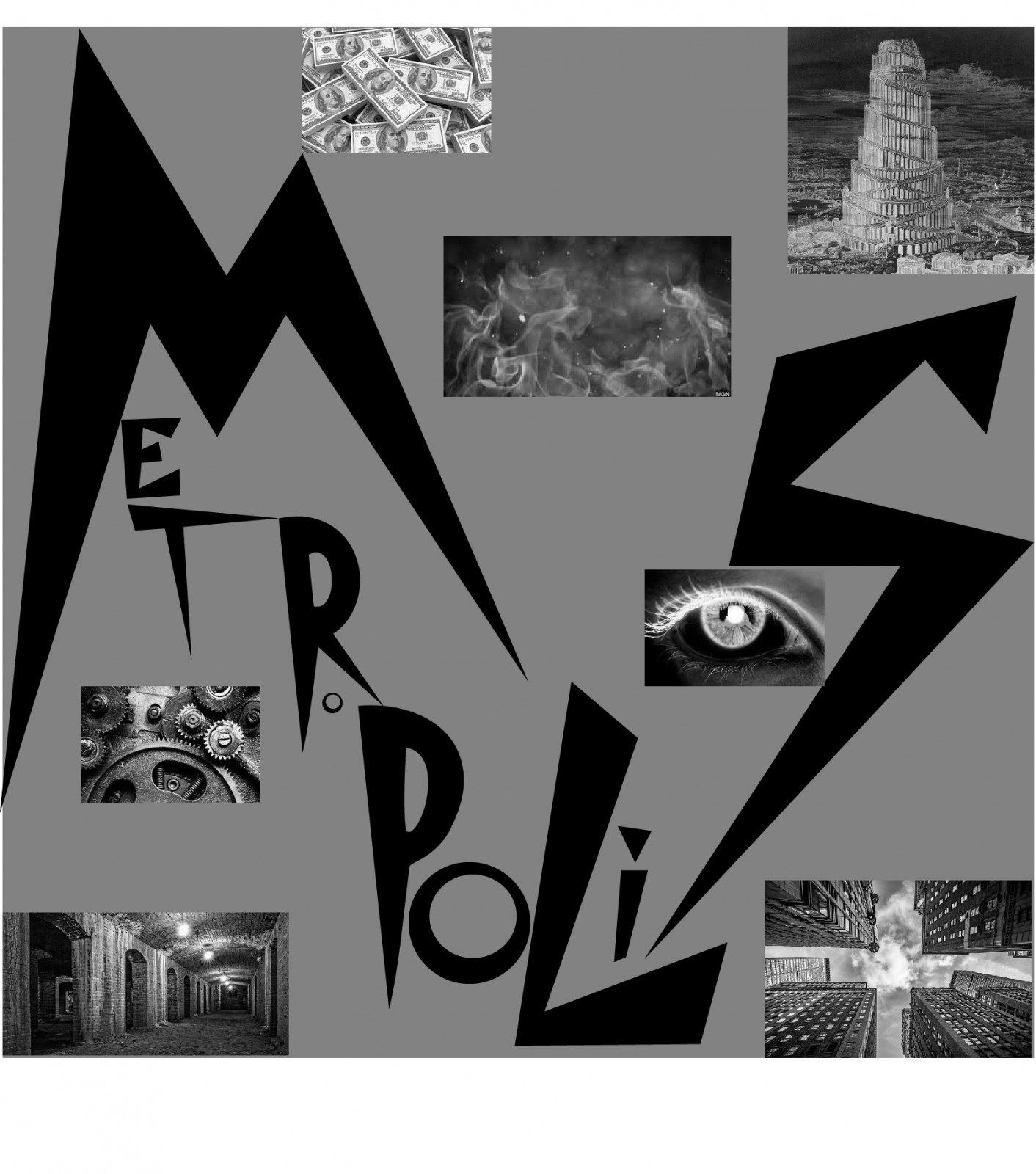
This is using the font specially created for this movie back in 1927 along with a few more concepts from the movie.
The first couple of minutes of the film contain plenty of mechanical movement that could eventually be used somehow. Also visually interesting are the masses of people and uniformity during the "Shift change" sequence. And the elevator downward movement while the city buildings move upwards...

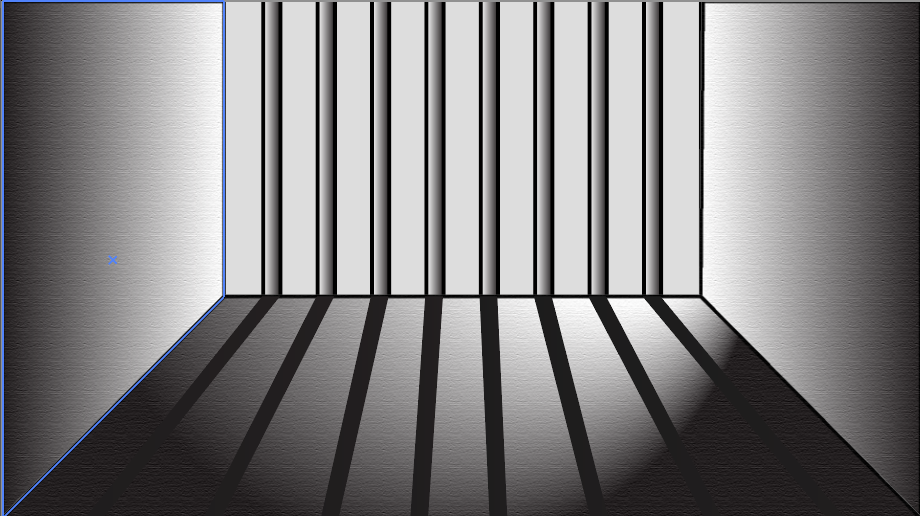
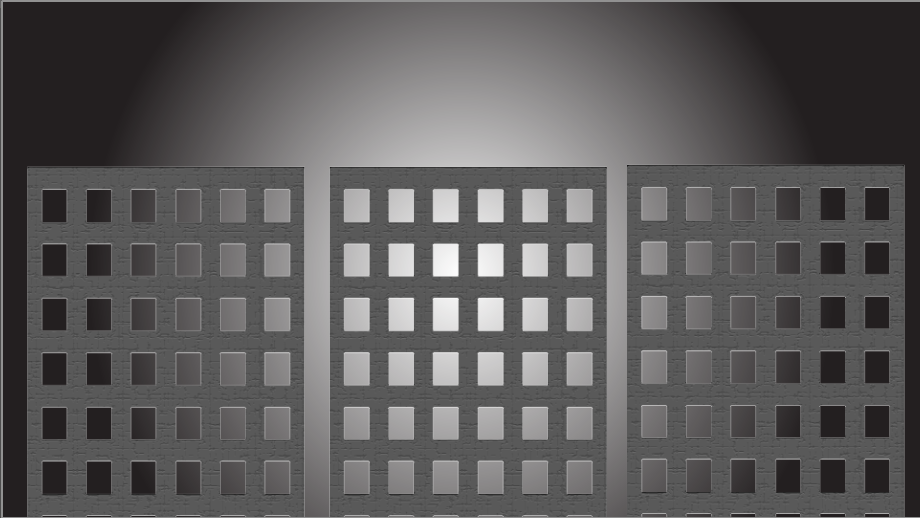
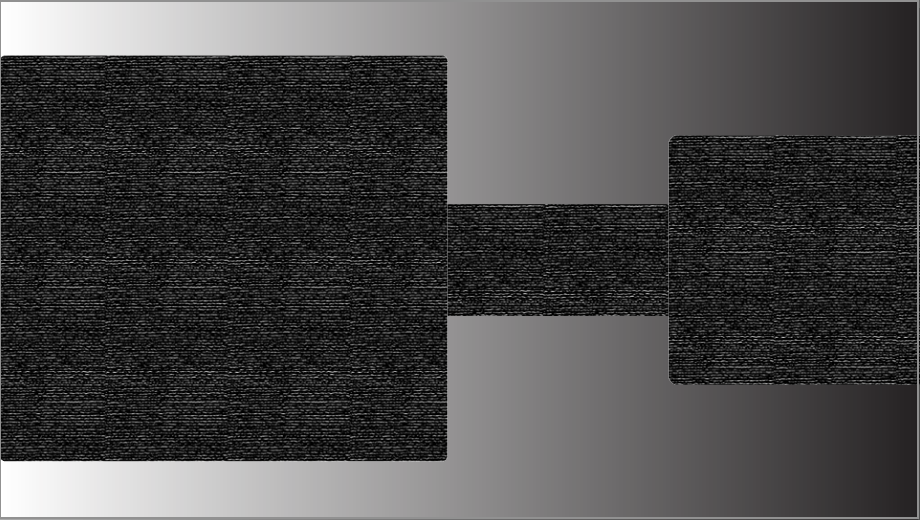

The screen moves downward as it shows the important directing, producing, and writing credits. Further buildings will move slower in accordance.


The elevators background has the book credits on it to appear like the elevator bars are moving downward.


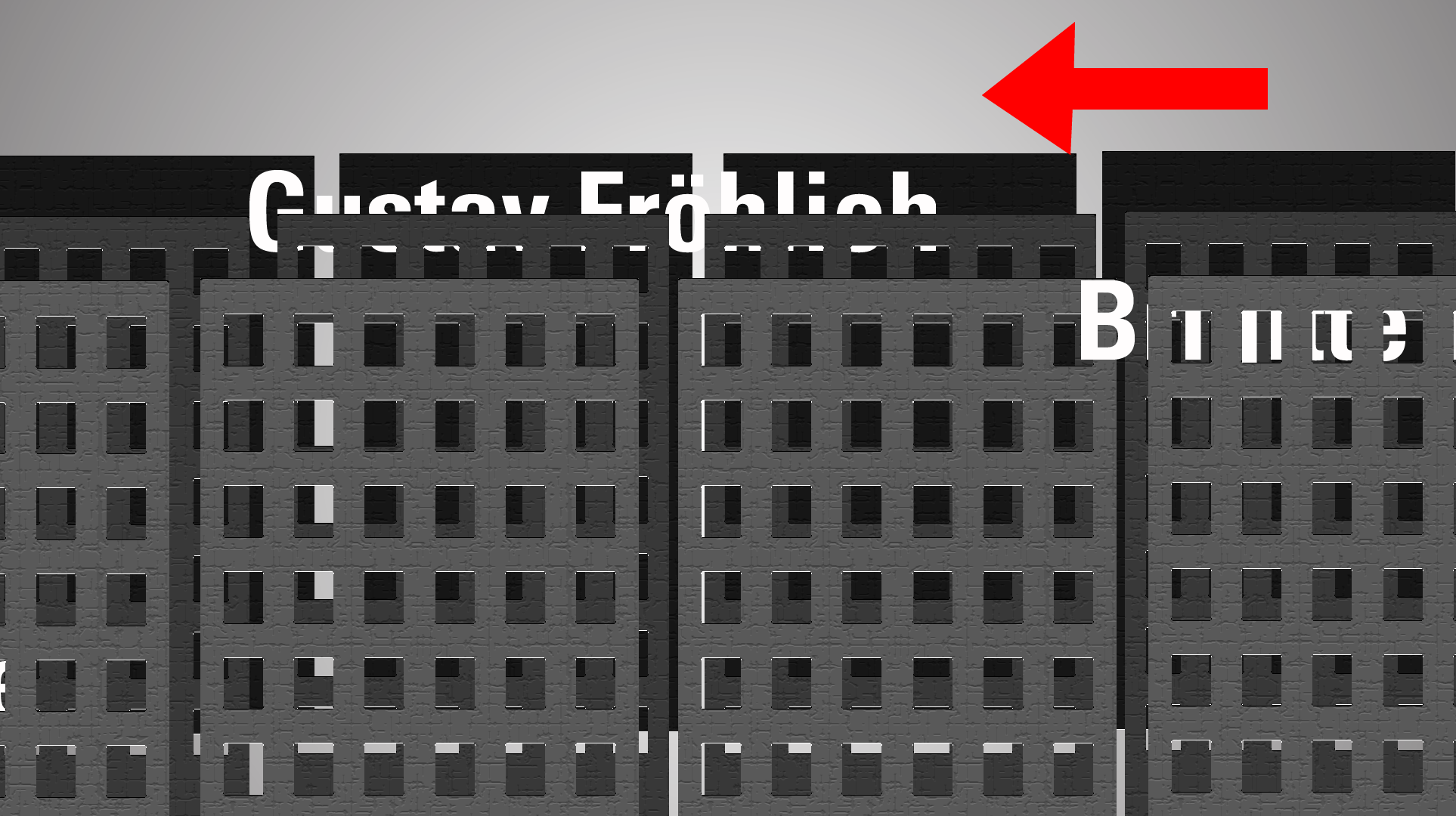
It pans across the rows and rows of buildings where the further buildings don't move as much, but the new angles will allow the starring names to become more visible.


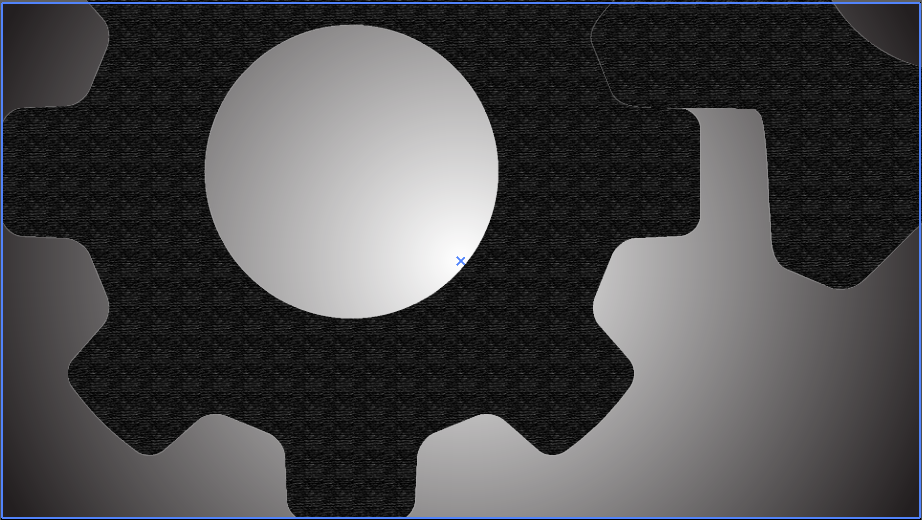
The gears move against each other to show the music credits. The camera will zoom in past the gears to show the next screen.
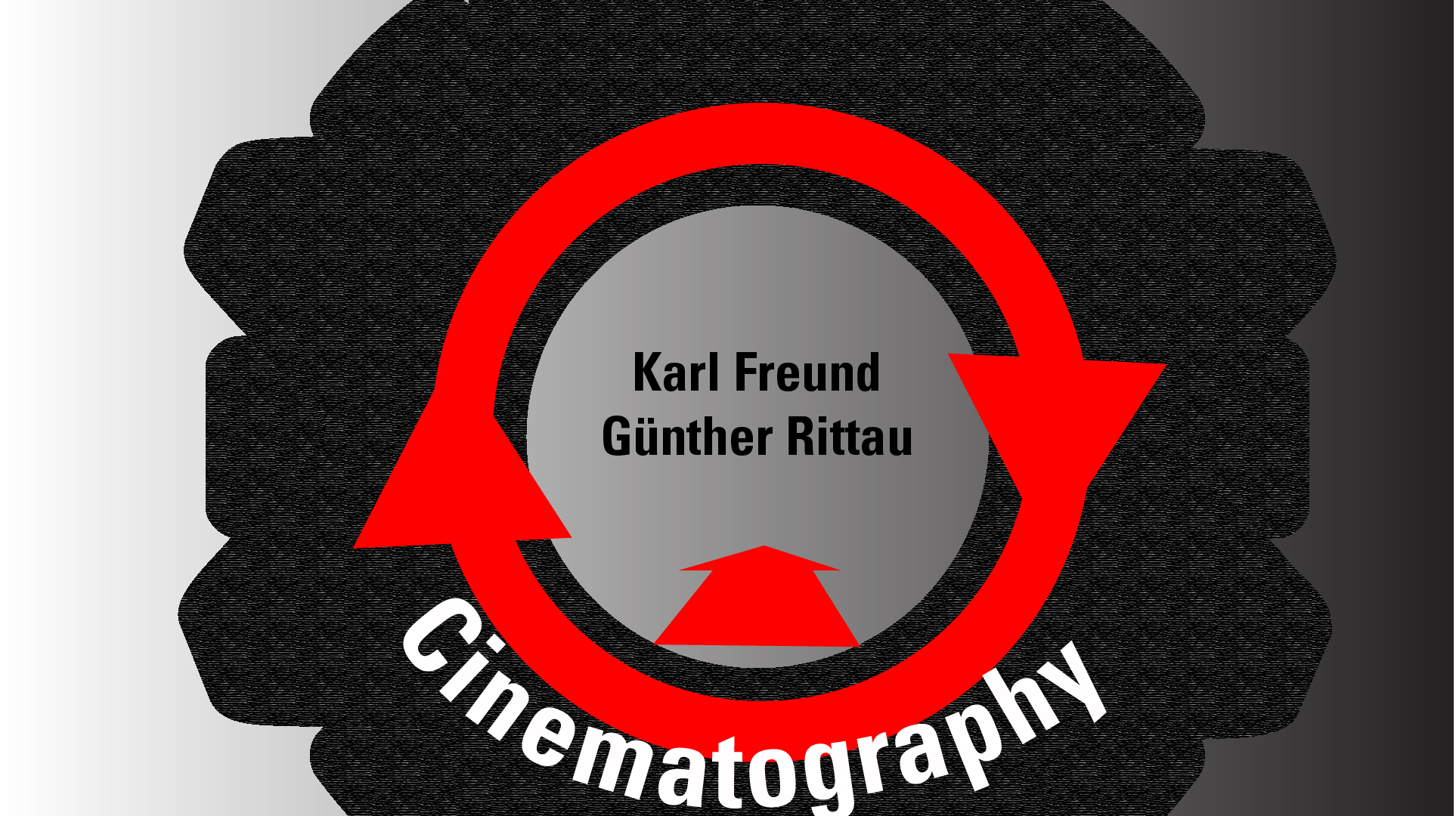
This will show the gears turning in different directions with the word cinematography turning around too. The camera will zoom in to make the cinematographers' name's bigger on the screen. It will zoom past the names to the next screen.

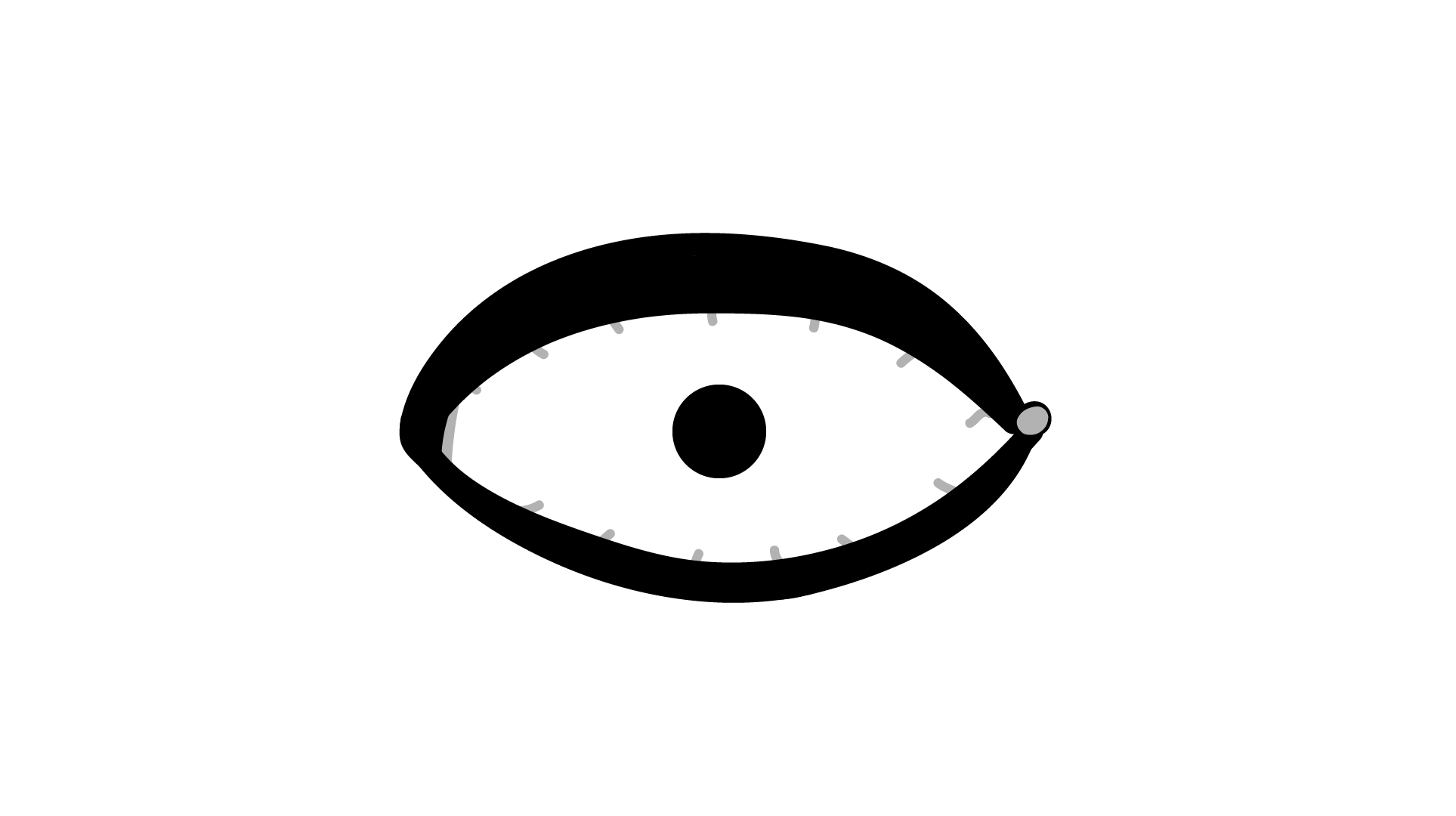
The next eleven frames will be played in sequence to show an eye blinking animation and show the production company and who distributed the movie.







The heart represents a key concept for the movie, and the mediator is the heart. Who is between the brain and hands, aka dark and light. The heart will flip so you can only see the top, which is the next frame.

This is the title screen that is made from the mediator's heart.
Jacobi_Metropolis_V2 from UIC DESIGN on Vimeo.