


The Taxi cab within the urban nightlife environment.
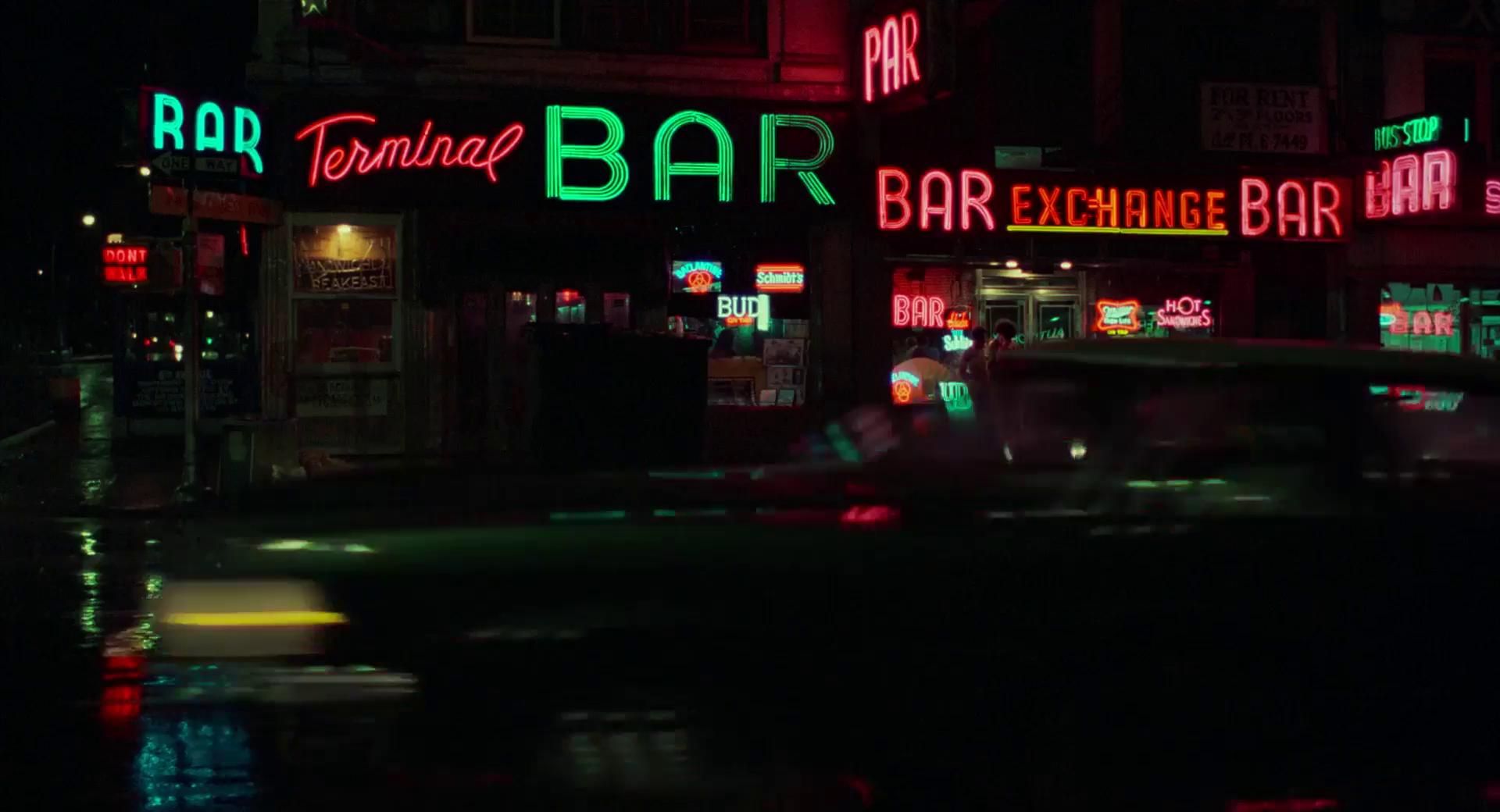
Neon signs in New York, which establish color palette and tone.

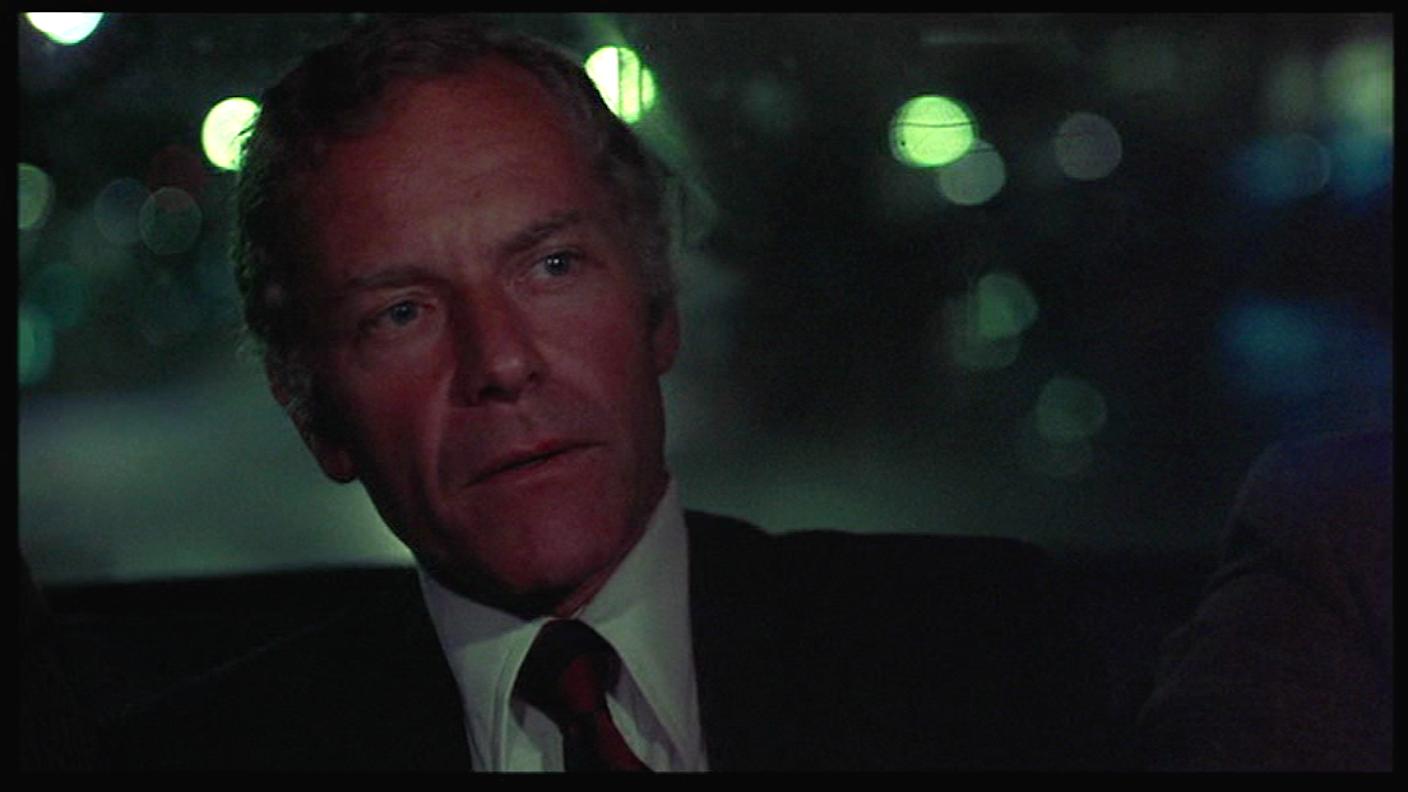
Interior shot of main character, communicating loneliness and color.

Main character, Travis, on a date with Betsy, who is an example of the 'Madonna' archetype of woman.

Travis walking with Iris, who is an example of the "whore" archetype of woman. This directly contrast Travis's connection with Betsy.
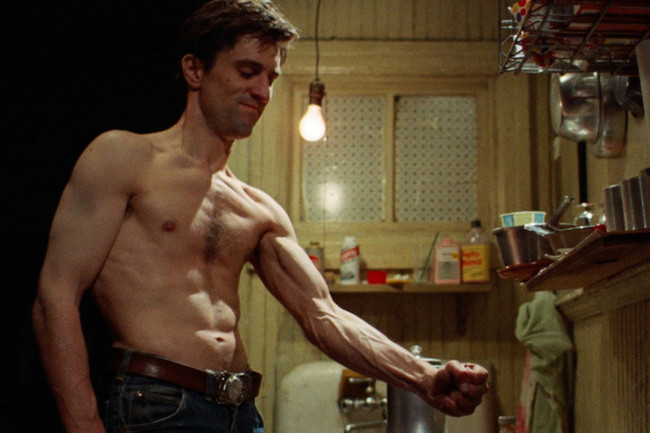
Travis attempting to toughen up his body, in preparation for an event of confrontation. This is an example of gaining masculinity.

Travis at this point had made a identity shift. Most likely this new found identity has been influenced by first nation Americans, but more specifically Mohawk warriors.

This scene shows Travis saving Betsy from her situation inside sex work. At this point of the film Travis has become a perfect anti-hero and has fulfilled his fantasy of the 'hero'.
Taxi Driver is a film directed by Martin Scorsese, following a New York cab driver who is struggling with his identity and world around him, as he pursues purpose in two different archetypes of woman.
The main character, Travis, played by Robert DeNiro, can be described as contradictory, insecure, lonely and detached from common people. These characterization of disfunction eventually accumulate into Travis's obsession for cleaning up with city and becoming a hero. This can be seen in the film when Travis try's to win over "Betsy", the Madonna, and save "Iris", the whore. Within this dynamic is a tale of masculinity and how it pertains isolation in an urban environment.
Objectivity, masculinity, loneliness, isolation, heroism,
Taxi Driver is very much a film about masculinity and the dangers of isolation pertaining to mental health. The film shows strong character development in a crowded, dark, dirty urban environment that proves to be very genuine in how it translates to visual communication and the films overall plot. These characteristics are what make up the films strong relationship between character emotion and the surrounding landscape they cohabitate.




Opening credits establishing transitional fade. (The actually fade it will flicker and resemble a neon sign turning on) fade at 30%

fade at 70%

fade at 100%

Neon signage will move horizontal, appearing blurred and floating past the film's credits, but remaining aware of the credits presence and importance.

Signage will resemble the films overall theme and heavily influenced city environment. The color palette will be inspired by the film's color grading and popular, bright, neon signage.

The actors will be introduced with relating character traits throughout to the composition, acting as neon signs. They will also take on the feeling of a neon sign with faded or flickering letters.

The neon signs will change from floating horizontally and scale throughout the center, appearing to be moving forward and becoming closer to the viewer. This will help the viewer confront the characters archetype.
This title sequence was made in direct inspiration from the original introduction of the film. The typeface has been updated to a similar bold san serif and mimics the color and effects used to credit the workers of the film. A design element has been added in the form of neon signage, which includes words that reflect character traits and motivations. The neon sign's color palette was taken directly from particular exterior scenes throughout the film. The type is lively throughout and subtle in it's transitions, which blur in and out like the head lights of a taxi, driven by a clouded mind.