

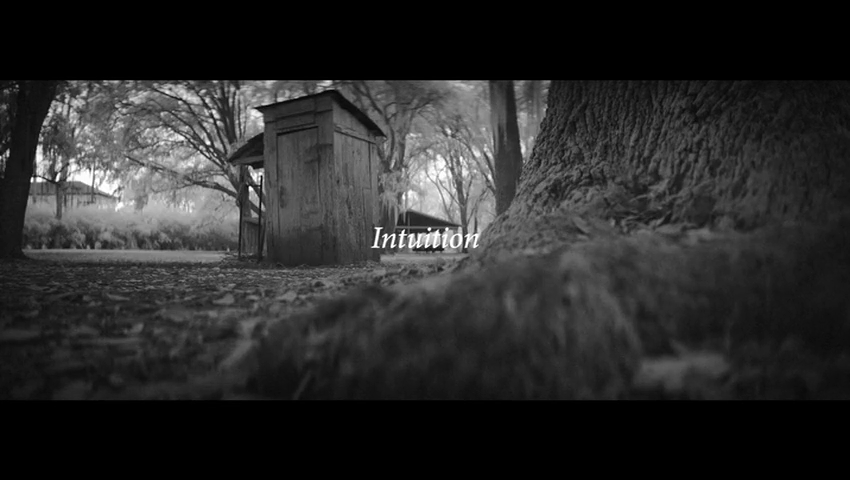
Intuition: Chapter 1
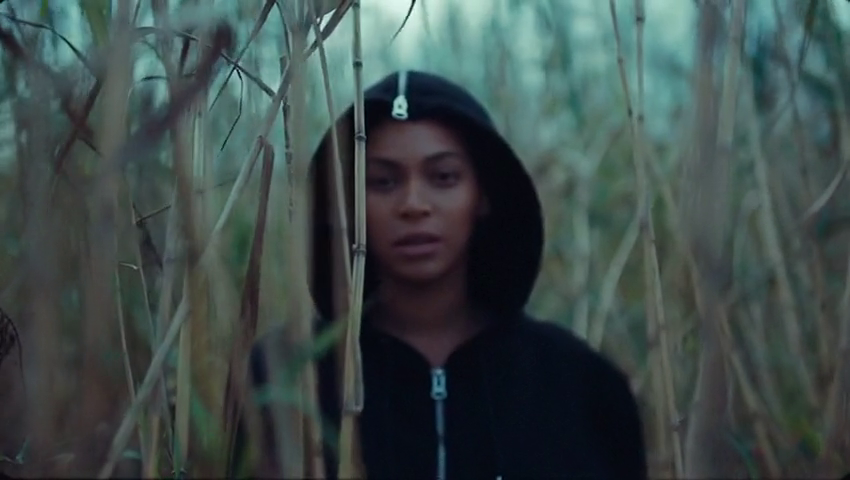
Intuition_Song (Pray that you catch me)
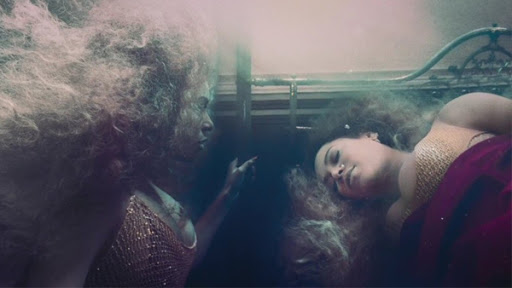
Intuition_Poem
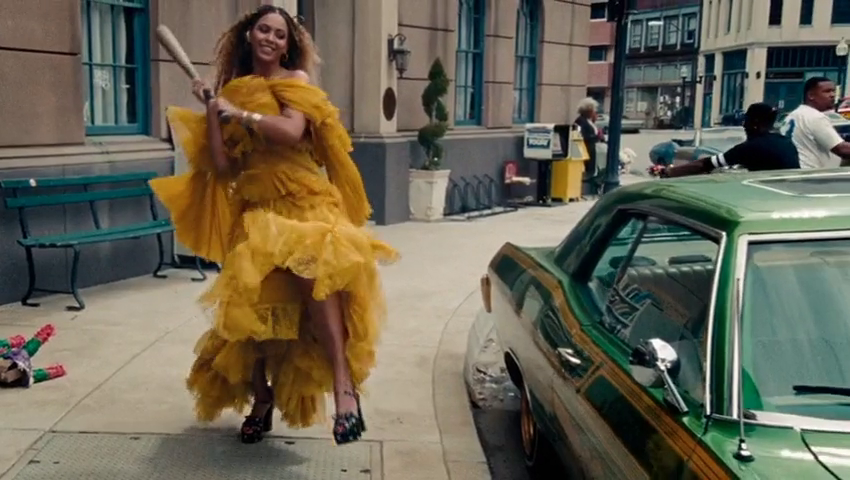
Denial_Song (Hold Up)
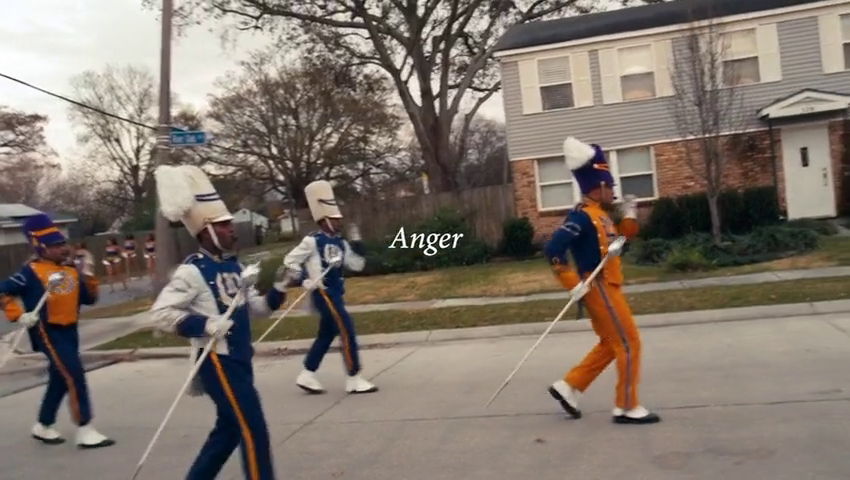
Anger_Title (Chapter 3)
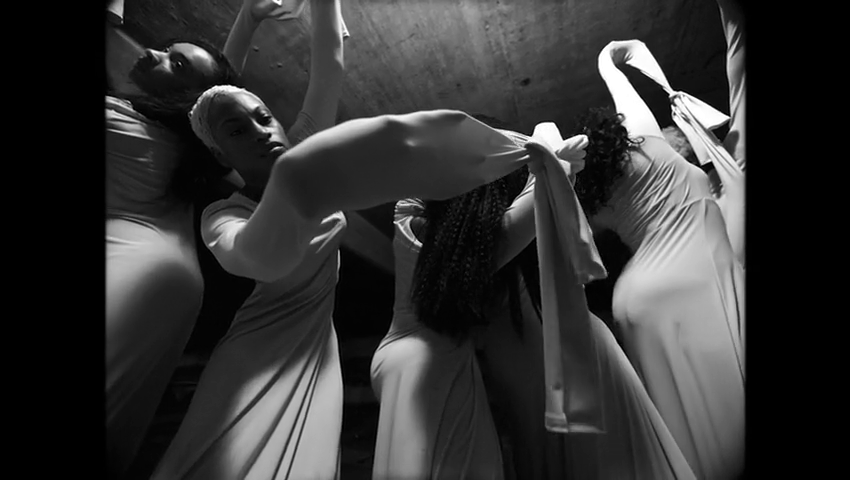
Anger_Poem (Chapter 3)

Apathy_Song (Chapter 4)

Emptiness_Song (Chapter 5)
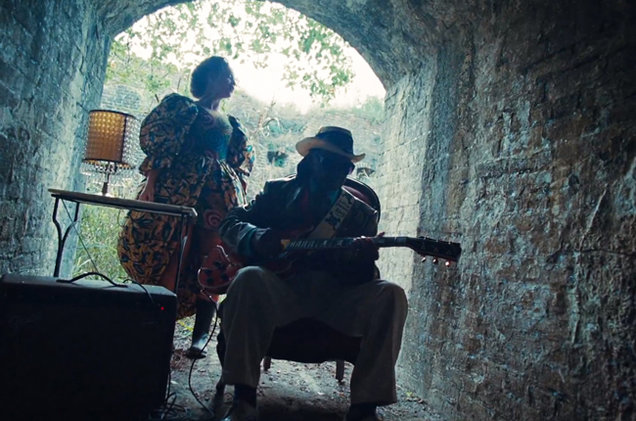
Accountability_Song (Daddy Lessons) / Chapter 7
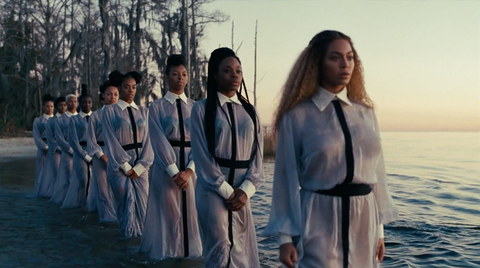
Reformation_Song (Love Drought) / Chapter 8
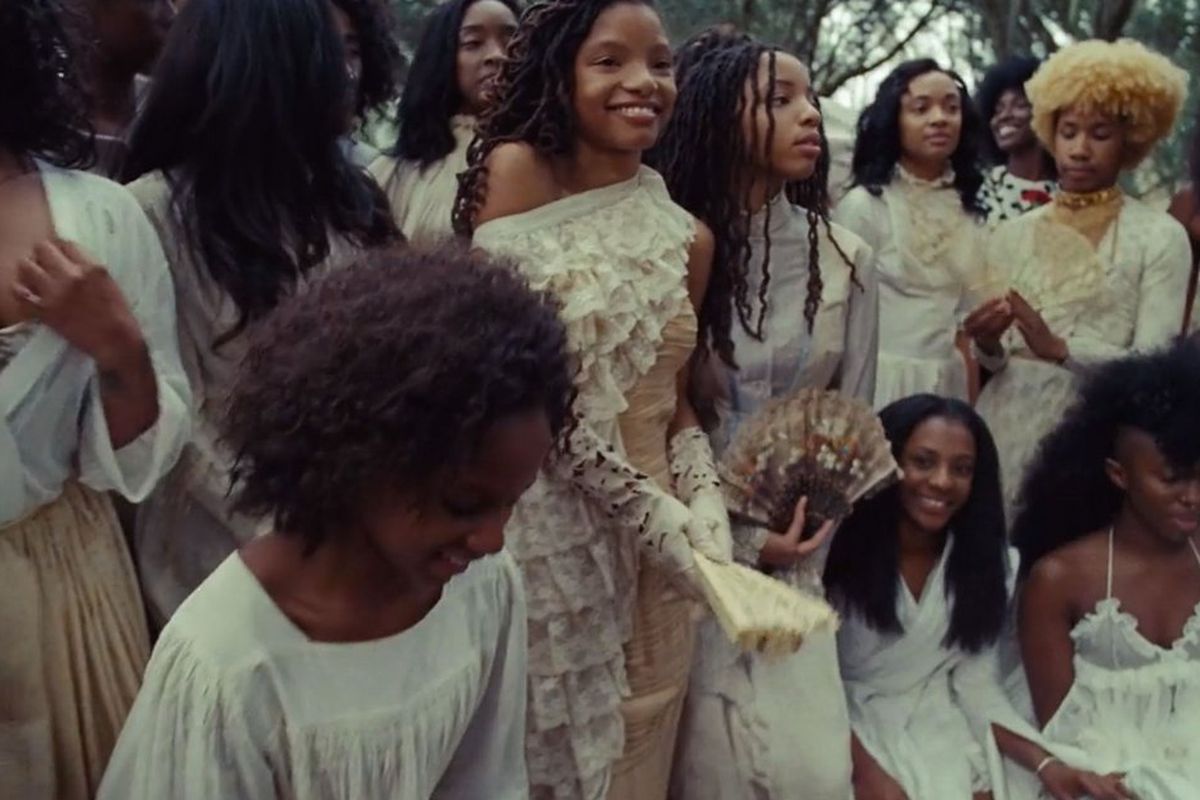
Hope / Chapter 10
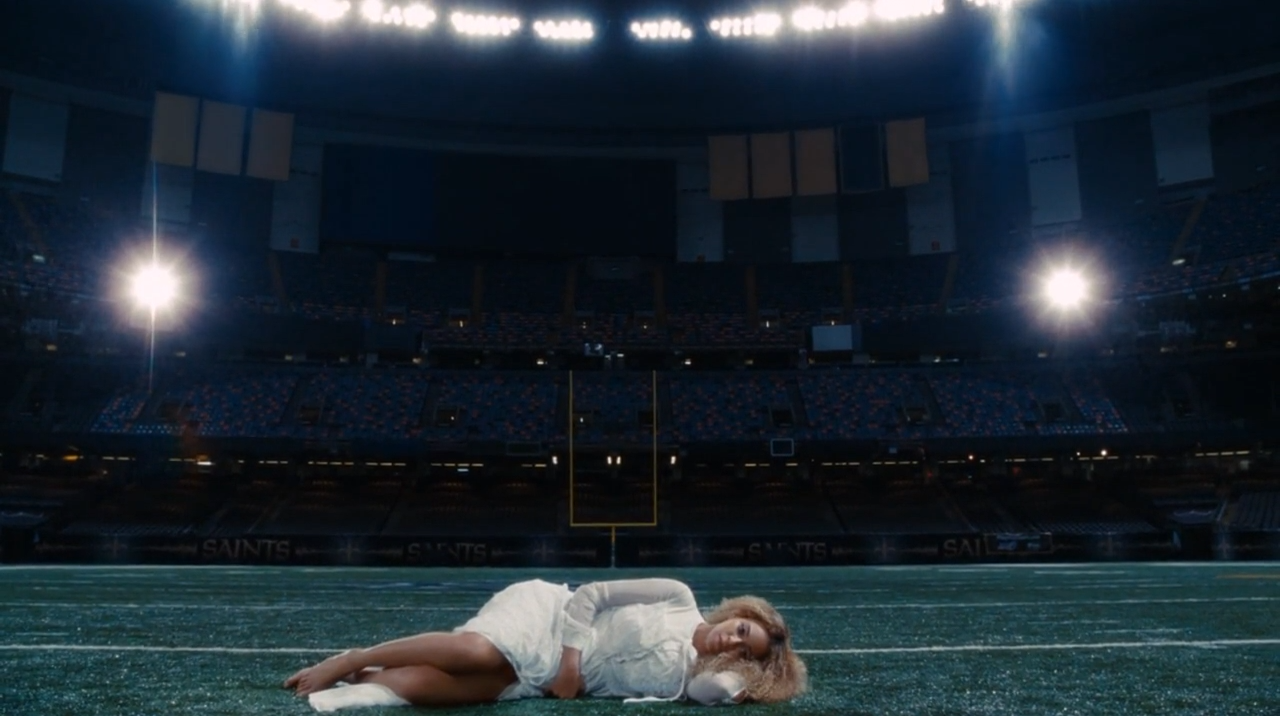
Redemption_Chapter 12
"Lemonade" is a visual film paired with Beyonce's 6th studio album released under the same title. It is a story that poetically depicts the emotional aftermath of a marital betrayal in the form of infidelity, the journey back to reconciliation, and an expression of all the complex emotions in-between. As you can expect from Beyonce, this film is as visually stimulating as it is emotionally honest. The film, unapologetically, reflects back to us the experience of black womanhood. As described by Craig Jenkins in Vulture, this visual album "strikes a balance between magical realism and light Deep South horror that feels informed by a world from Zora Neale Hurston and Toni Morrison."
Broken into twelve chapters, the story takes the viewer through different stages of grief and recovery. Each chapter opens with a voice over of the poetry of Warsan Shire. This aspect takes the personal experience of Beyonce and ties it to a universal story shared by generations of mothers and daughters. The viewer is no longer just listening to one individual's experience, but is listening to the story of women. This theme is supported by the multitude of scenes found throughout the film that shows groups of women gathering together and working together depicting female solidarity and strength. As the poetry concludes the chapter continues with a track from the album.
Five words: feminism, blackness, betrayal, forgiveness, mediation on social impacts of racism, poetry
Tone: "strikes a balance between magical realism and light Deep South horror that feels informed by a world from Zora Neale Hurston and Toni Morrison." , southern gothic
Time period: between turn of the century to modern day
Message: "woman are strong as hell"
Sound: Lemonade soundtrack, Beyonce Voiceovers of poems by Warsan Shire poems, Quietness of "southern swamp" scenes


Mood Board motion

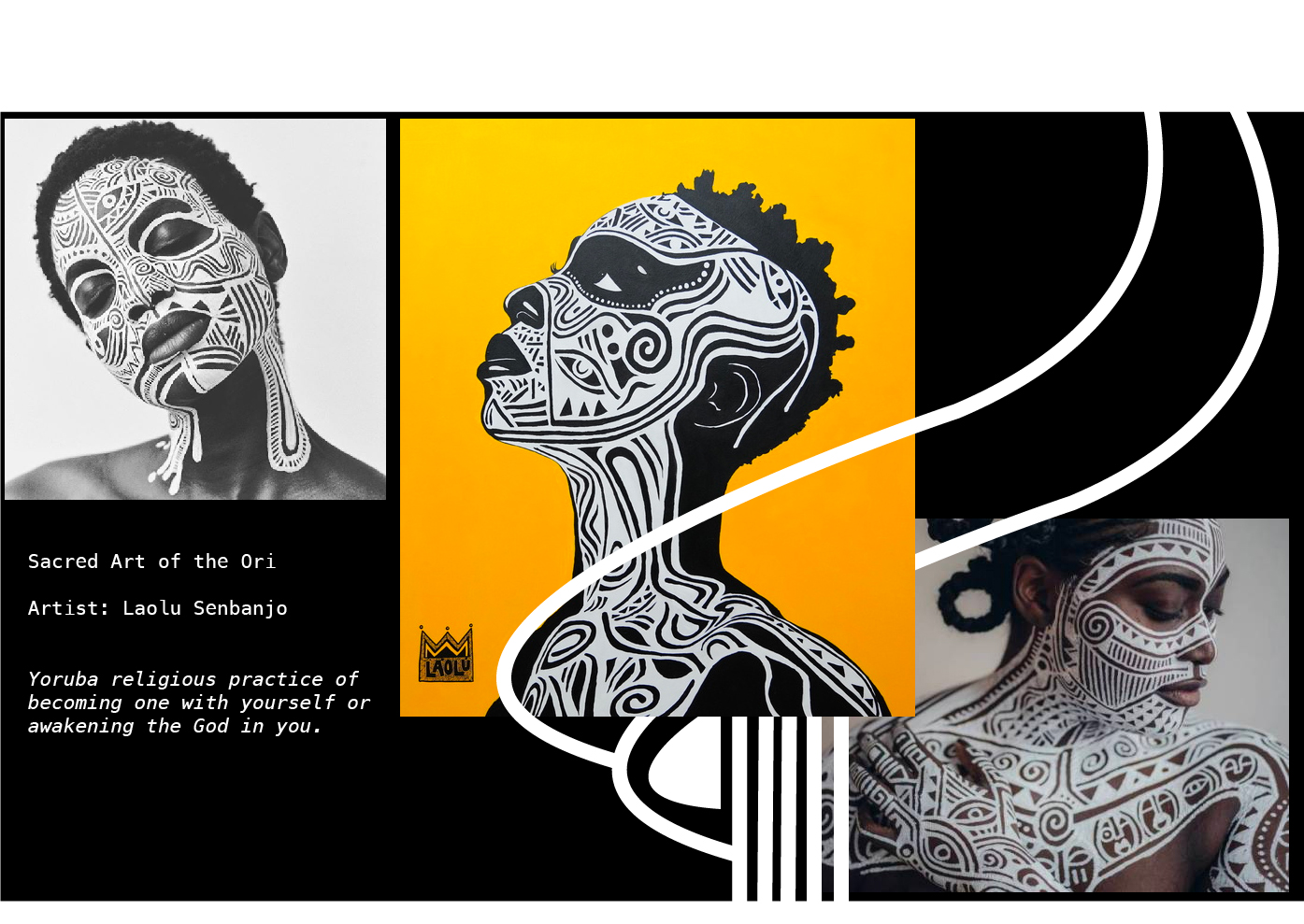
Sacred Arto of the Ori Artist: Laolu Senbanjo Foundational to the ritual: Yoruba religious practice of becoming one with yourself or awakening the God in you

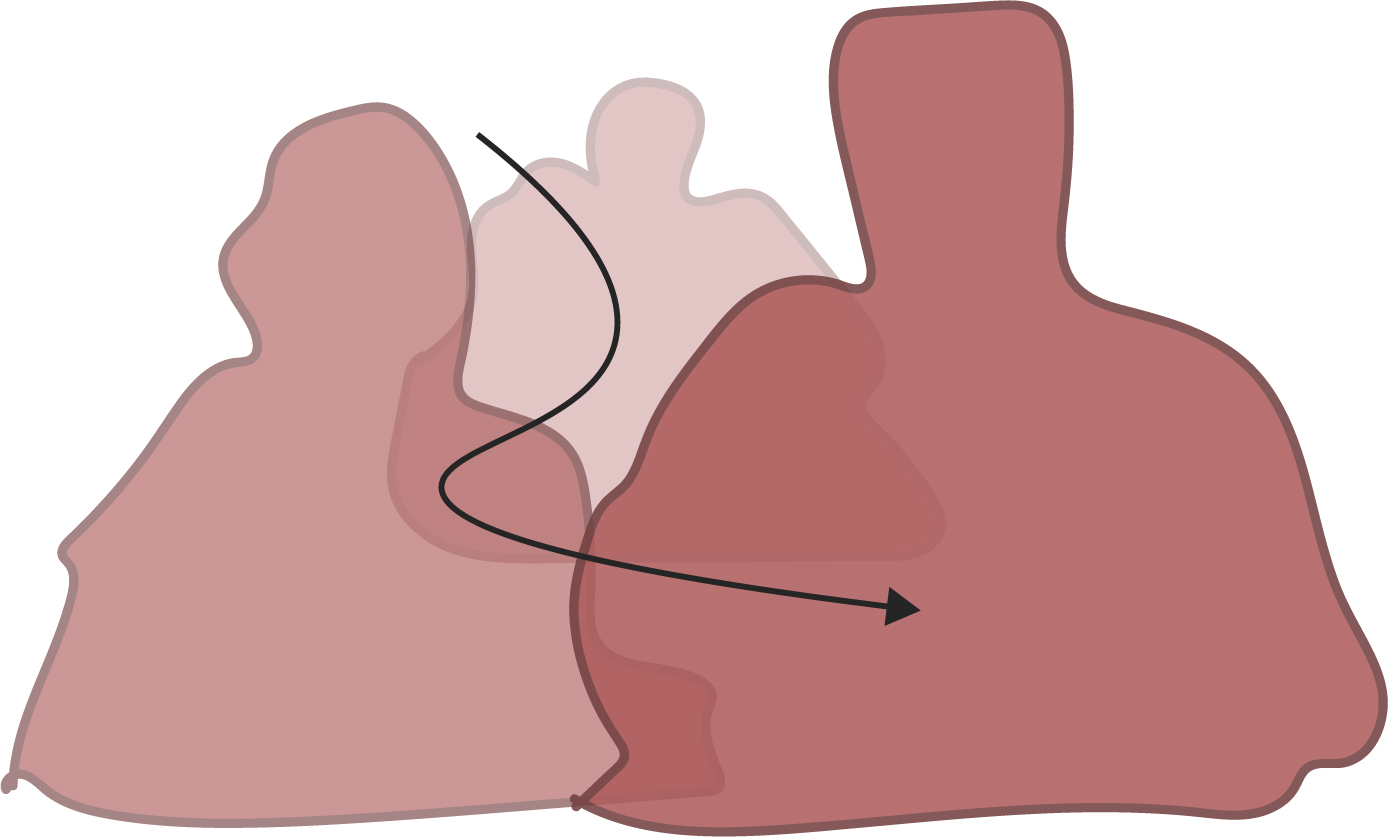
Quick sketch: composition is drawn into the screen, once finished a few shape rise, some lines morph into names (hold for two seconds), shapes and name drops back down into the composition morphing back into place, this is repeated with other names that raise from other places.
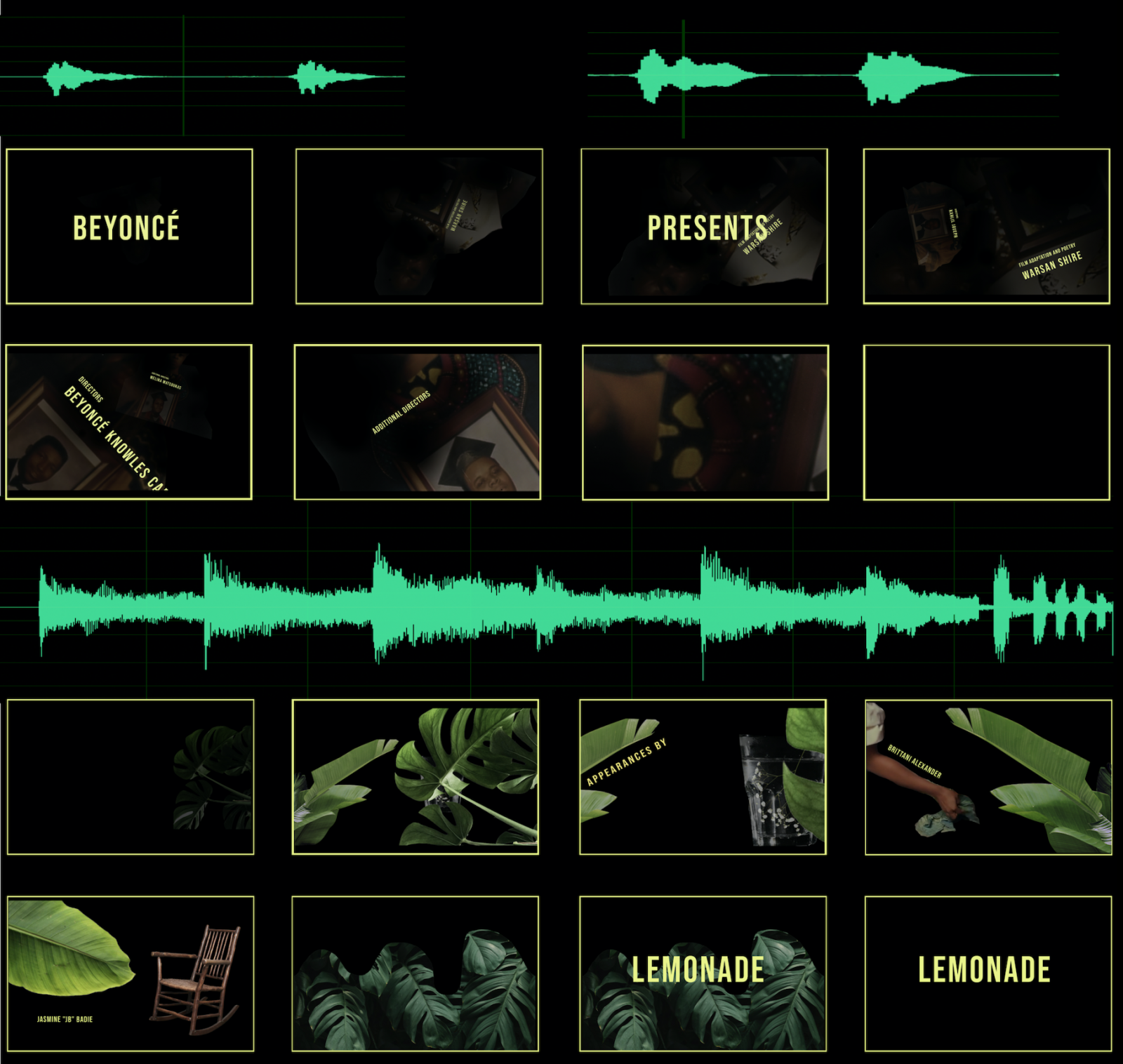
Lemonade - Storyboard
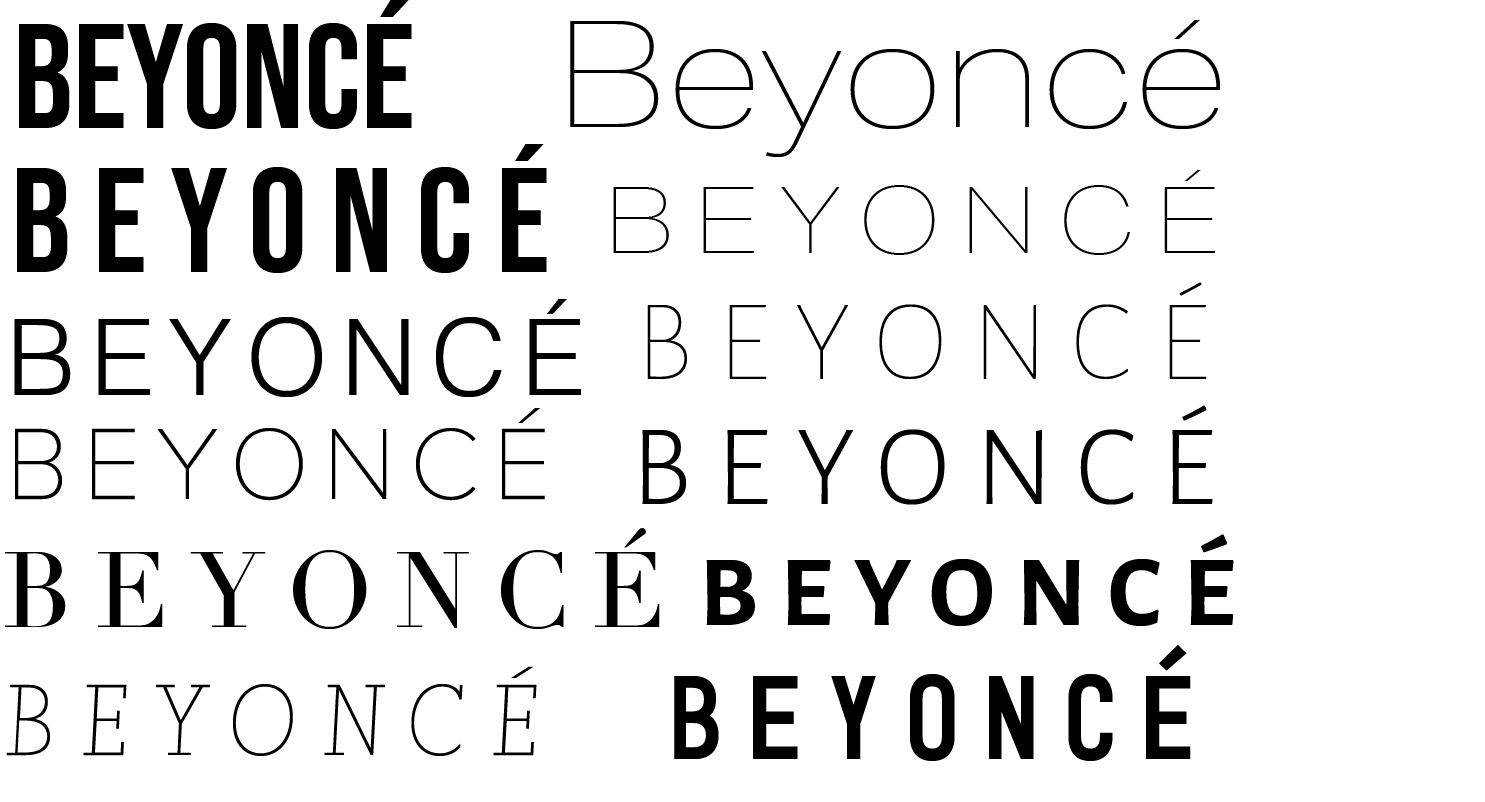
The concept behind the storyboard is to highlight the utilization of the beat of the music and how it relates to the text as it appears. In the first scene, a 34 second acapella clip of "Pray That You Catch Me" plays. An acapella version of the song was chosen due to it's intimate feeling. As this is a story told through a highly personal experience, it felt important that the opening music clues the viewer to the story they are about to be told. As portraits of women holding pictures of deceased men in their lives float up, names are parented and appear on beat with the music. The last portrait continues to scale up until it takes up the whole frame and the camera zooms into a black void.
The black screen is used as a transition into the second scene. An instrumental version of "Pray That You Catch Me" plays in the background. The viewer is guided by the camera through a path filled with foliage. Items are hid behind pieces of foliage and are revealed to the viewer as they walk through, also revealed are names of people who appear in the film. The viewer is guided until they reach a clearing and a masked outline of women fills the screen. The title of the film then appears on beat with the music. On the second clap the women disappear and on the third clap the title also disappears.