


Part of the beginning sequence, who the audience will later find out is the Other Mother deconstructs the appearance of the doll to make it look like Coraline. The scene is green, a theme that ties back at the end of the film hinting at malice and evil. The doll is thrown out in a sky full of stars, which is a motif for the abyss.

First scene we see of the real world, which is dull. It is ironic that the building is called the “Pink Palace” as its color is darkened and worn. The building in the Other World is much more vibrant and colorful. Another symbolic motif.

The garden, which is creepily shaped like Coraline’s face, is dull and worn like everything else. It is a symbol for her own happiness, and it compared to the Other World garden, which is glowing and lively.

The Coraline doll, which is creepy but keeps up with the theme of being dull and worn looking, despite it being recently made as far as the viewer can tell.

First time that Coraline discovers the tunnel to the Other World, which during the day is just a brick wall. Very cool color scheme, which prepares the viewer for the vibrant color palette of the Other World, symbolizing Coraline’s happiness and excitement.

Other Mother and Other Father show their care and attention to Coraline, whereas her real parents tend to ignore her. Note vibrant colors.

Very interesting shot. The double looped cursive ‘o’ in ‘home’ in graphology (study of handwriting) symbolizes a lie. Coraline is welcome (lack of looped ‘o’), but it is a deceitful ‘home.’ Interesting concept.

Vibrant colors and a visually beautiful building in comparison to the real home.

Coraline’s Other bedroom. Shows color palette, Coraline’s excitement. Compared to her real bedroom.

Dull and worn, less vibrant and extravagant.

Coraline is back in the real world. Whole shot is filled with fog, which is visually interesting in the way the fog moves with their bodies. Exaggerates the dullness of real world and shows the fogged reality Coraline experiences in the Other World. Possibly foreshadowing.

Another shot of Coraline’s excitement in Other World. Beautiful house and sky full of stars is behind her. She is in awe.

The garden in the Other World. Much more vibrant and beautiful than in the real world. Note that it is glowing, which not only seems artificial for a garden, but comes up later in the film symbolizing evil. This later progresses into the glowing green from the very beginning sequence.

Mice perform for Coraline and this is her name made of the mice. Interesting type concept. The mice help the Other Mother coax Coraline into the Other World, and then along with her become evil as they turn into gross rats by the end of the film.

Buttons for Coraline’s eyes. Creepy. But also brings up the motif of “seeing” and its relation to reality. Coraline is blinded by the joy she experiences in the Other World, but the only way she can stay there forever is if she gets buttons sewn into her eyes. The juxtaposition of creepy (buttons for eyes) and joy (of Other World) is also a recurring theme.

In Other World, Coraline (guided by the talking cat who plays an integral role in saving Coraline, despite the fact that she hates him until the end of the film) walk outside the bounds of the Other house. Progressively, reality turns into pure white abyss. This symbolizes the idea that there is no existence outside of the home in the Other World. Pure white is visually strong in this film, as it is only used three times. The entire film is claymation, so by this digitization the filmmakers obviously meant to make a point by integrating it into the film. Note the contrast between the white and the diverse color palette of the film

First scene where the glowing is introduced as evil and menacing. The bug furniture surrounding the Other Mother foreshadows her reveal that she is a spider. This is important symbolism! Notice that the color palette in terms of hue is just about the same, but now is glowing. This perversion of color symbolizes evil.

Coraline meets the spirits of the three children who have been taken by the Other Mother. They let her sew buttons into their eyes. Coraline’s mission towards the end of the film is finding the children’s eyes so that Coraline can be freed. Very interesting show as the ghost child (who we later find out is Wybie’s great aunt) floats through Coraline, so it appears that Coraline’s eyes are buttons too. Here she realizes the truth of the situation she is in.

Coraline in the real world is annoyed by Wybie because he talks too much. Other Wybie cannot talk, but realizes how screwed Coraline is and is sad and scared. To hide this, the Other Mother sews his mouth into a smile. Very creepy.

The tunnel connecting the real world and the Other World used to be beautiful and dream-like, but is now dusty and filled with trash. Like an old spiderweb...

Coraline goes back to the real world to find that her parents are nowhere to be found. She finds out that they are trapped inside a mirror (the ghost children from before are also trapped inside a mirror) and write ‘help us’ in the glass. Coraline has not cared about her parents the whole movie, but through her experiences with the Other Mother, she realizes she misses them and loves them.

Other Mother eats the key that locks unlocks the door that leads back to the real world. The key is shaped like a button too (go figure). Other Mother begins to look sickly and thin as she begins to transform… Also, just a cool shot.

As Coraline finds all of the eyes, the Other World starts to slowly disappear (because the Other Mother is nothing without the children she manipulates and captures). The second scene that shows white abyss.

Glowing colors turn into glowing green (like the beginning sequence). The Other Mother is a full on spider now. This scene is her watching her burn something of Coraline’s that is helping her get out of the Other World. Very freaky but cool framing and colors.

Remember the tunnel looking like a spiderweb? That was alluding to this scene and the fact that the Other Mother is a spider that feeds off young children. The room turns into a spiderweb and Coraline gets stuck inside of it (she escapes though, don’t worry).

Coraline is back in the real world and has given the eyes back to the children. This scene is unlike any other in the film. It looks like The Starry Night and strays far from the color palette of the movie. I think it’s supposed to represent heaven? I swear I’ve watched this film literally more than 20 times in my life and I still don’t really know fully what it symbolizes. But it does look cool.

Coraline frees the children and saves her parents. This is the transition into the last scene, two hands (similar to the Other Mother’s) unveiling the moon. Really cool.

The last shot of the film (real world). Coraline, her family, and all the neighbors plant flowers in the garden. Instead of artificial and deceitful happiness (shown by the artificial-looking garden in the Other World), they are making their own real happiness.

As Coraline’s time to find the ghost children’s eyes runs out, the moon is filled with the shadow of a button. Very direct symbolism but a cool idea and shot.
Coraline is a claymation film following a young girl and her experience in a world with which she is unhappy. Moving into a new worn-down home and having parents that are constantly preoccupied, Coraline is dissatisfied and looking for adventure (like any young child does). After stumbling upon a tiny door in her new home covered under wallpaper, Coraline makes it her mission to uncover where it leads. With her mom’s help, she finds the key and it is revealed that behind the door is a brick wall. However, at nighttime, Coraline unlocks the door again and a bright tunnel filled with glowing purples and blues is revealed. After this point, we follow Coraline as she crosses through the tunnel into the Other World, which is a dream-like reality filled with unworldly wonder. Her parents are caring and pay attention to Coraline, the house is in wonderful condition, the colors are beautiful, and Coraline is wonderstruck. But it is later revealed that nothing is what it seems.
Blinded by this ideal reality, Coraline goes back and forth from the real world (filled with dull colors and a worn down home) to the Other World. She wants to stay forever, but the catch is that to stay, Coraline has to let the Other Mother sew buttons into her eyes. As Coraline becomes more apprehensive of the Other Mother and her intentions, it becomes more apparent that the Other Mother is in fact evil. Once Coraline realizes this, she becomes trapped in the Other World and her only way out is to find the missing eyes of the previous children that the Other Mother captured (and sewn buttons into their eyes). During this mission, reality in the Other World becomes distorted and perverted, which is shown through the changing color palette. Coraline, though is able to return the eyes back to the children (who appear to her as ghosts), locks the door to the Other World, and throws the key down a well so that no child after her will ever follow the same fate. After all of this, Coraline has a newfound appreciation for the real world, her new home, wacky neighbors, and loving parents.
The film overall is jam-packed with complex symbolism, despite it being a children’s movie. This symbolism is shown through the changing color palette, the juxtaposition between the real and Other world, and the slow decline to evil as the audience realizes the Other Mother is a spider. It deals with the very real issue of surrendering to an unreal version of life, dealing with manipulation, and the quest to finding joy. Coraline is a genius film, valuable to those of all ages.
Coraline is a film which explores the difference between reality and a dream-like world, and makes a point that everything is not always as it seems.
Evil, deceitful, nightmarish, juxtaposition, reality/non-reality/dream-like, child-like excitement/wonderstruck


Blurry, distortions, light

Blurred Large Type (Helvetica 85)

Blur & Overlap with Color

Tracking Small Type (Helvetica 85)

Overlap Big & Small Type
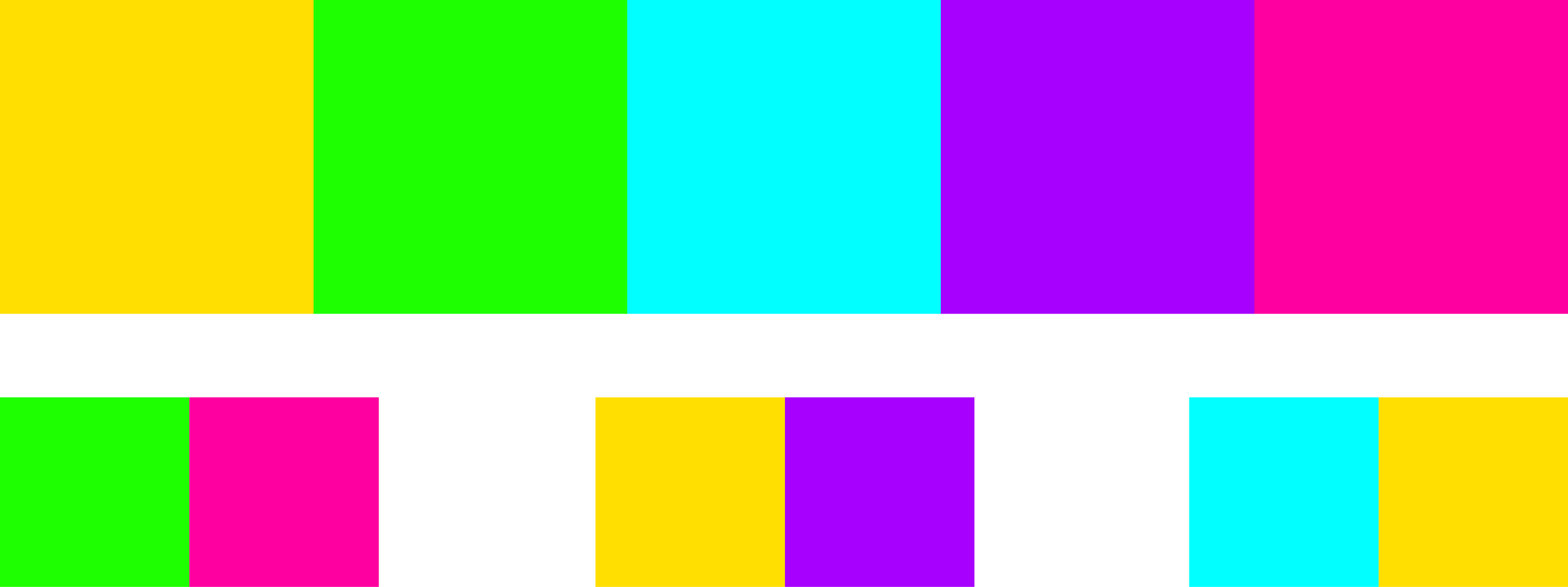
Color Palette


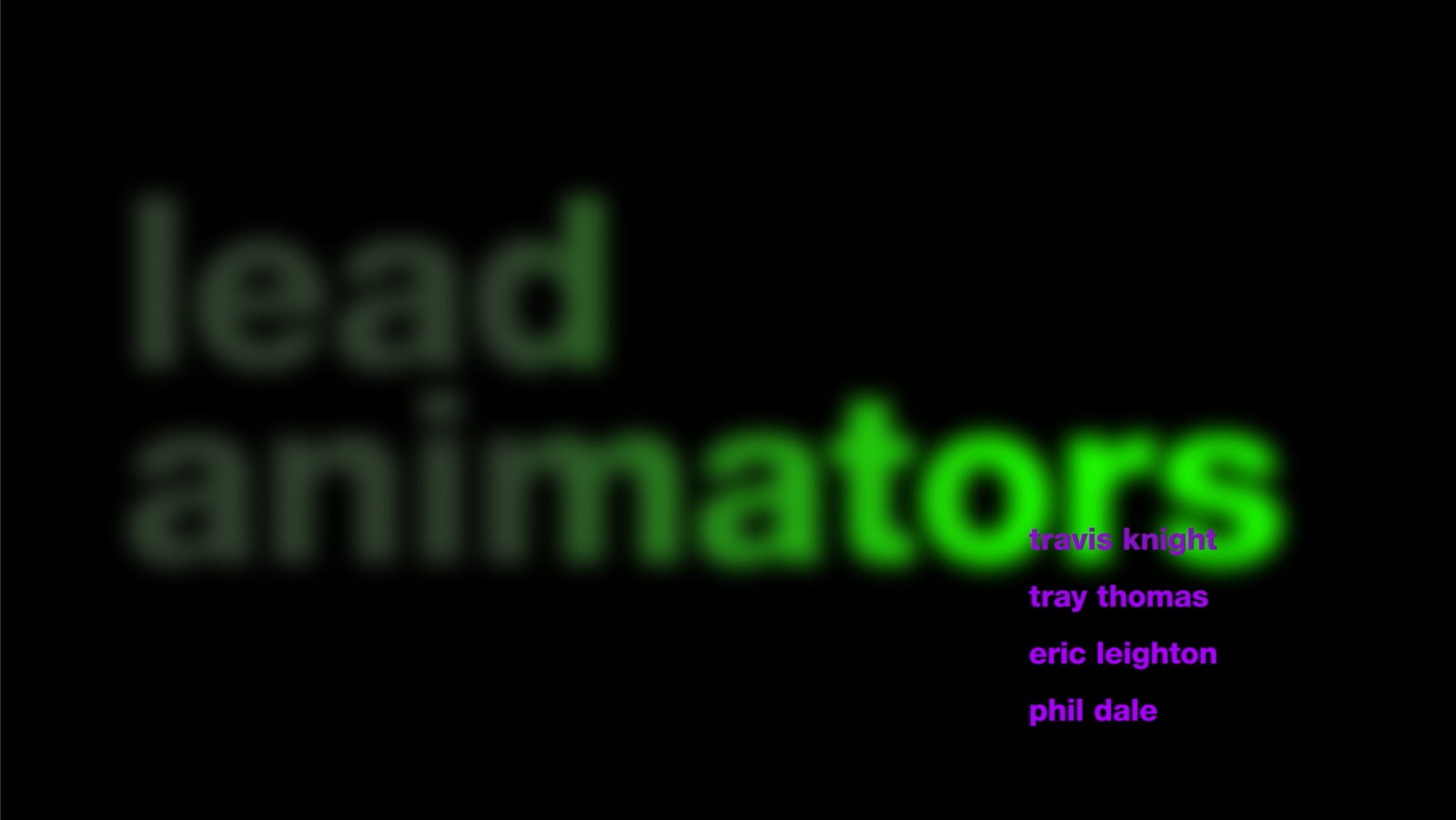







Beginning: Actors and characters, blurry and floating across the screen
Middle: Production/Artists, more legible, colors from highly saturated to dull, leading increase, tracking increase
End: Coraline title, blurry, disorienting, then legible at the end before fading out